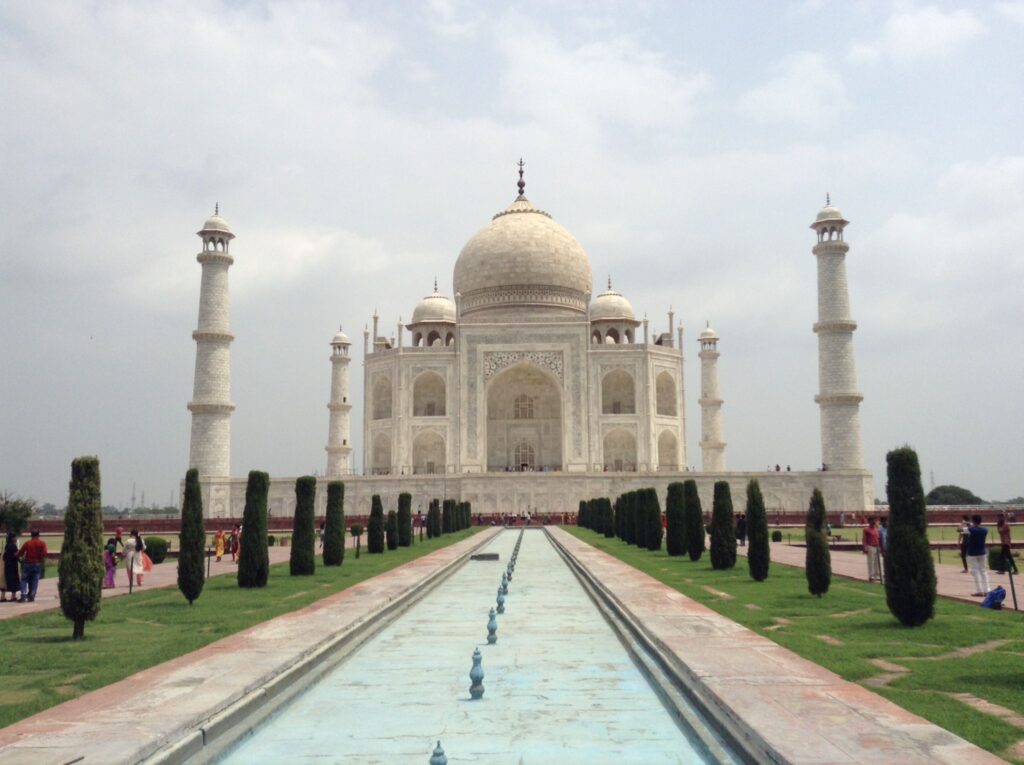
The 7 Wonders of the World Ranked After Visiting Them All

Disclaimer: Some links on this page may be affiliate links. If you purchase anything through them, I will receive a small commission at no extra cost to you! Further details in the Privacy Policy.
I’ve been to all of the 7 Wonders of the World. And whilst many are worthy of this prestigious honour, a few are not. Well, there’s one that really stands out as undeserving, but we’ll get into that later.
The New 7 Wonders of the World were voted on during a 6-year process that started in 2001 with a longlist of nominees from across the globe, and ended when the final seven were selected from a shortlist of 21, with the winners announced in 2007.
The process was full of controversy, as people could vote multiple times and richer countries were accused of throwing lots of money behind their nominees to get more votes.
Brazilians in particular were said to have been sent texts encouraging them to vote (for free) for Christ the Redeemer’s statue in Rio de Janeiro. Since I’ll be ranking the wonders from worst to best, it won’t be long until you hear about this one in more detail…
The wonders succeeded the Seven Wonders of the Ancient World, which was a list that needed refreshing as six of them no longer exist. And in the case of Iraq’s Hanging Gardens of Babylon, one may have never existed in the first place…
The last remaining Ancient Wonder is Egypt’s Great Pyramids of Giza. And to be honest, I found them incredible to see and would put them above any other wonder on this list.
The pyramids are often viewed as an honourary world wonder, or “the 8th Wonder of the World”. And deservedly so. But for the purposes on this list, we’ll focus on the official list of seven.
The 7 Wonders of the World: Ranked
7) Christ the Redeemer
Location: Rio de Janeiro, Brazil
Entry cost: From 30 reais (£4/US$5) although this route isn’t recommended due to danger. It costs 85 reais (£11/US$15) to 128 reais (£17/US$23) for the safer routes: the 85+ reais being for a shared van, and the 128 reais for the train
Opening Hours: 8am-6pm daily
Official website: None for the statue itself, but Trem do Corcovado is the official website for train tickets
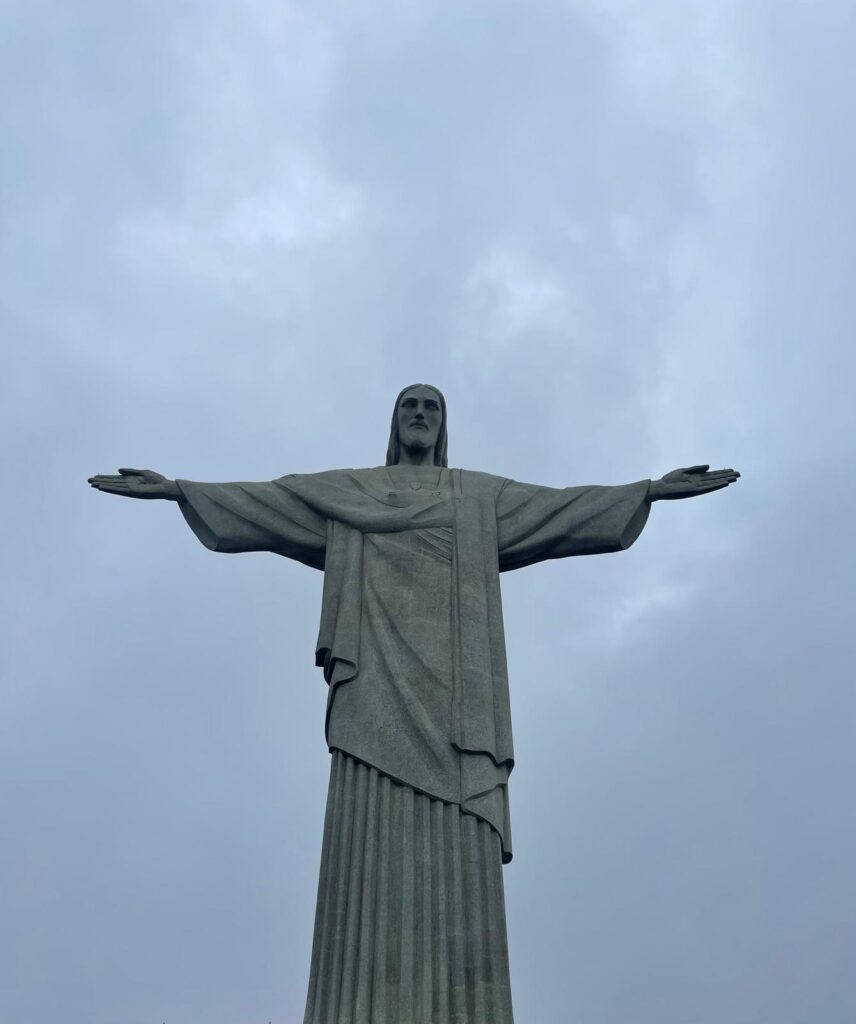
To be honest with you, this one sucks. I can see why the Brazilian government pushed citizens so hard to vote for Christ the Redeemer, because there was no way this was getting in on merit.
It’s just a statue. That’s it. And you have to fight through giant hordes of crowds to get anything close to a good picture.
I’ve heard the views of the city are pretty good from this spot on the top of Corcovado Mountain, but I cannot verify this as it was incredibly foggy during both my visits in October 2022 and January 2025.
The mountain tends to get foggy quite often, and I waited a while on both visits just to see the actual statue.
Now, whilst it’s technically possible to hike up to the statue and enter for 30 reais, you shouldn’t do it. Rio de Janeiro is dangerous and muggers love hiding out on this route for unsuspecting tourists to walk straight into their welcoming arms, potentially with a gun in one hand.
Always take an official van or the train up the mountain. The train starts from Cosme Velho station, so be sure to take an Uber to get there.
To be honest Christ the Redeemer isn’t even one of the coolest statues I’ve seen. The giant Lord Murugan statue outside Malaysia’s caves is way more impressive, likewise various Buddha statues I’ve seen in Myanmar, South Korea and other East Asian countries.
Then you have the mystical Moai of Easter Island which narrowly missed out in the World Wonder voting, finishing 8th.
To be honest I could probably name 100 places I’ve been to that are more deserving of a World Wonder nomination than this.
Visiting Christ the Redeemer is one of the best things to do in Rio, but I wouldn’t say it’s worth coming all the way to Brazil for.
6) The Great Wall of China
Location: Northern China
Entry cost: Around 40 yuan (£4/US$5) although prices vary depending on which part of the wall you visit
Opening Hours: It varies depending on which section of the wall you visit, but generally around 7am-6pm as a rough guide
Official website: The Great Wall has an official site, but it barely works and has little beyond basic history. For visiting information, you will need to research based on which part of the wall you will visit. For example, the popular Mutianyu Great Wall in Beijing
The bad news if you want to visit every World Wonder is that you have to visit Christ the Redeemer. The good news is that the other 6 are really cool, and it was hard to rank them.
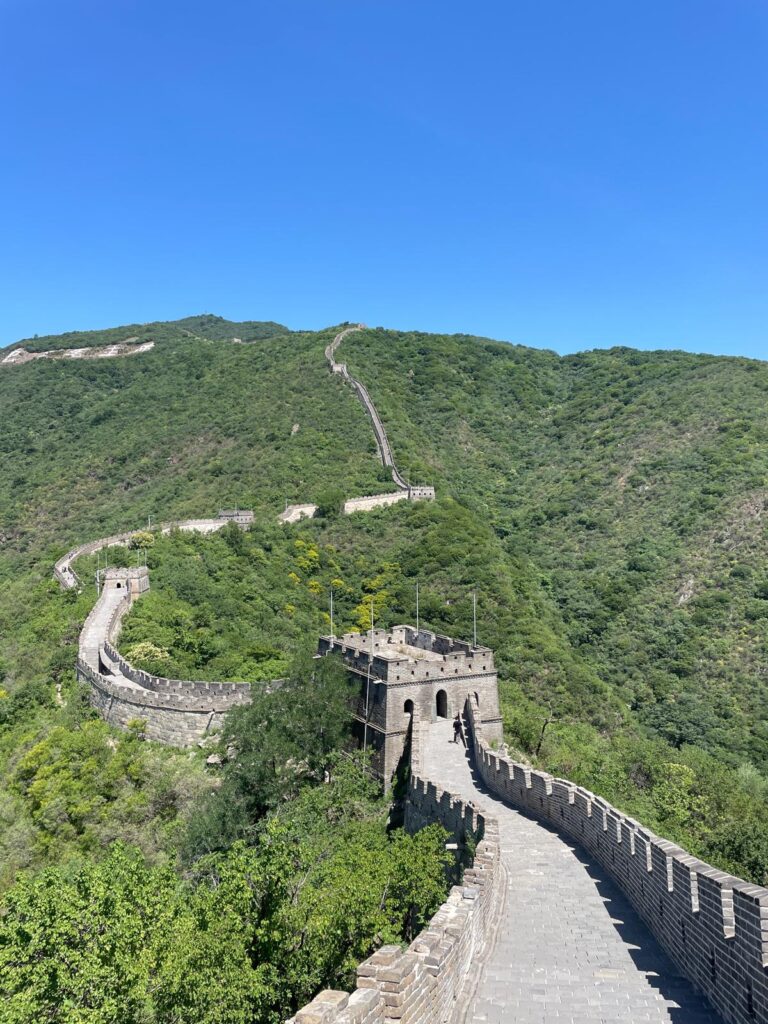
I’ve put the Great Wall of China in 6th place, but it could easily be higher on this list.
The Great Wall is a 2,700-mile long defensive structure along what was once the northern border of China.
You can visit the wall from various parts of the country, but you cannot walk from end-to-end as it has collapsed or is under construction in some parts.
The Great Wall is a nice walk, although I did find it a little challenging in the scorching June sun.
The wall is nice, the walk is nice, and the scenery is nice. But that’s it. Not spectacular or breathtaking, just “nice”.
And that’s why I made the decision to put China’s wonder in 6th place.
I visited the Mutianyu Great Wall, which is the most popular section to visit. It’s located near Beijing.
I took a bus there, but they wouldn’t take card payments, and an attempted bank transfer wouldn’t work because I don’t have a Chinese bank account. This meant I had to pay in cash.
The problem in China is that they generally use two apps (WeChat and Alipay) for payments, with cash becoming quite rare.
It took me four hours of messing around walking around Beijing in the sun and losing one of just four precious days there before I finally found a place willing to exchange cash.
By this time, the bus had long since gone, and I had to come back the next day, where I could at least buy the bus ticket with cash.
That was one reason why I didn’t love China overall. It’s a lot of hassle to travel there. But the wall is still worth visiting regardless.
5) Chichen Itza
Location: Yucatan, Mexico
Entry cost: 648 Mexican pesos (£26/US$35)
Opening Hours: 8am-5pm daily
Official website: chichenitza.com
There’s a really awesome Mayan ruin site nestled in the jungles of North America, surrounded by nature, and far more impressive than any other Mayan ruins across the continent.
But enough about Tikal in Guatemala, we’re talking about World Wonders here. And that means Mexico’s Chichen Itza is next on our list.
Don’t get me wrong, Chichen Itza is cool, it’s just not as impressive as its counterpart south of the border.
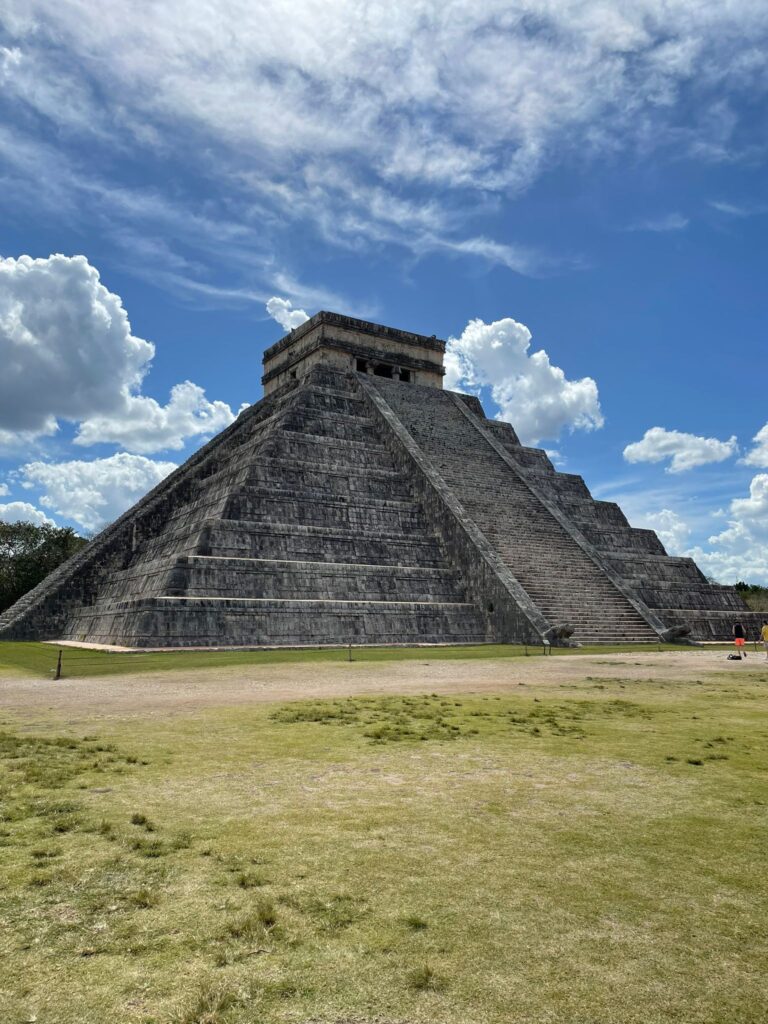
It’s the Temple of Kukulcan that steals the headlines here.
A step pyramid that was popular with climbers up until climbing was banned in 2008, partly to preserve the pyramid, partly because there were injuries and deaths from people falling, and partly because it is sacred to the Mayan people.
There are other fun sites around the main pyramid. You have some smaller Mayan ruins, I spotted several giant iguanas roaming around the complex, there were some small cenotes tucked behind the trees (admittedly not the most impressive you’ll see in Mexico), and even stalls selling daggers amongst other items.
Welcome to Mexico.
Chichen Itza is located in Yucatan, right in the heart of Mexico’s main tourist spots.
It’s a really easy trip from Cancun, Tulum or Playa del Carmen. Also Merida which is where I went from.
It’s cool, and it’s far more exciting than the clubs of Cancun or Tulum’s overcrowded beaches. But the real jewel in the Mayan ruin crown is Tikal just south of the border.
4) The Colosseum of Rome
Location: Rome, Italy
Entry cost: €18.00 (£16/US$21) for an adult ticket. There are discounts for children, and disabled people get in for free
Opening Hours: 8:30am-7:15pm daily, except December 25th, January 1st and May 1st
Official website: colosseo.it/en
One of the easiest World Wonders to visit, as it’s located right inside Rome, one of the world’s most-visited cities.
The colosseum is an amphitheatre still going strong from the days of the Roman Empire. It was used for gladiator battles, theatre shows and even executions.
Today it is mostly used as a major tourist attraction with millions of visitors pouring in every year.
And to be fair, it felt like there were millions of people there during our visit in June. I’d suggest going outside the peak summer season for the best experience.
Despite the crowds, we still had a fun time here and spent a couple of hours slowly walking around, looking out into the arena and thinking about what took place there in years gone by.
This is one of the fun things about visiting ancient ruins. You can imagine what was taking place back in their heyday, in a time when society was a very different place to what it is today. After all, for the younger generations at least, the idea of public executions taking place seems crazy in a country like Italy.
Tickets to the colosseum also get you access to the nearby Roman Forum and Palatine Hill.
To be honest, there aren’t many places in Europe more worthy of World Wonder status than the colosseum. This one’s worth the trip for sure.

3) Petra
Location: Wadi Musa, Jordan
Entry cost: 50JD (£53/US$71) for a one-day ticket if you have booked accommodation for at least one night in Jordan. It costs 90JD (£95/US$127) if visiting on a day trip (usually from Israel). It costs an extra 5JD (£5/US$7) for each extra day of your visit, up to three days
Opening Hours: 6am-6pm during summer (March-September) and 6:30am-5pm during winter (October-February)
Official website: visitpetra.jo
Petra is one of the larger World Wonders. Where the likes of Christ the Redeemer and the Taj Mahal can be seen the moment you arrive, Petra is a sprawling complex full of ruins that takes a while to see.
As a result you can buy tickets for 1, 2 or 3 days here.
Petra was an ancient Nabataean city and a key trading point by around the year 200 BC. And it’s stood the test of time pretty well, many of the ruins are still in good shape today.
When you see pictures of Petra, you generally see the treasury, which is the most iconic building within the complex. And sure, the treasury is cool, but if you’re willing to trek, you’ll be rewarded by the monastery which in my opinion was more impressive, and best of all, there are fewer tourists there.
The walk takes around 1.5-2 hours each way, but it’s not too tricky unless you come during the hot Middle Eastern summers. Trust me when I say you don’t want to be outdoors during those…
One thing you should be wary of is the guards dressed up in medieval clothing who may ask for a picture with you. I walked straight into their trap and had to pay for it…
Since Jordan was my 39th country, I really should have known better. Unfortunately, travel scams in touristy areas are pretty widespread, and people will do anything to make a quick quid from unsuspecting foreigners.
One nice touch here is that you can hike up to a viewpoint above the treasury. There you will find a small makeshift tent with a local Bedouin man who encourages people to leave messages on the walls of his tent, and allows you to take photos of the treasury below if you purchase a drink from him.
I recommend purchasing at least a 2-day ticket to see everything here, as Petra is a pretty big place.
One other thing you can do is buy a separate ticket for “Petra by night”. This is a show that takes place every evening outside the treasury.
Locals will light candles and play traditional Jordanian instruments for the crowd, whilst the treasury itself is lit up in different colours.
If the walking is too much, then you have the option to pay for a camel ride to get around here.
Petra was a lot of fun, and to be honest there’s a strong debate for putting it top of this list.

2) Machu Picchu
Location: Aguas Calientes, Peru
Entry cost: An adult ticket costs 152 soles (£32/US$43) for most circuits, or 200 soles (£42/US$56) for circuit 1 or 3 with mountain access
Opening Hours: 6am-3:45pm every day
Official website: machupicchu.gob.pe
I could’ve put this as number one or number six on this list. Machu Picchu is amazing and disappointing at the same time.
Machu Picchu is an example of the journey being better than the destination.
The typical route to Machu Picchu involves a 3-5 day trek, usually along either the Inca Trail or Salkantay Trail, although the Lares Trail is now emerging as an increasingly popular third option.
When I first visited Machu Picchu, I did the Salkantay trek as part of this incredible Peru itinerary.
I walked over 80km in 5 days hiking from the fields of Mollepata, all the way up through the snowy Salkantay Pass via the incredible Humantay Lake, then down through the jungles, back to civilisation at Aguas Calientes, and ultimately up to the Inca citadel itself.
My legs were like jelly by the end of it, but the experience was one of the best I’ve ever had.
A group of 11 of us spent those 5 days walking through virtually every weather condition in existence and ended up with a magical reward at the end: Machu Picchu.
But I must confess, there’s a lot I don’t like about this wonder.
During that first visit, it was in July (a busier time of year), and security were rushing people around the site giving you little time to enjoy it.
Machu Picchu is so popular, that it does get pretty busy even right on opening time. Queues gather outside the attraction even before they start letting people in.
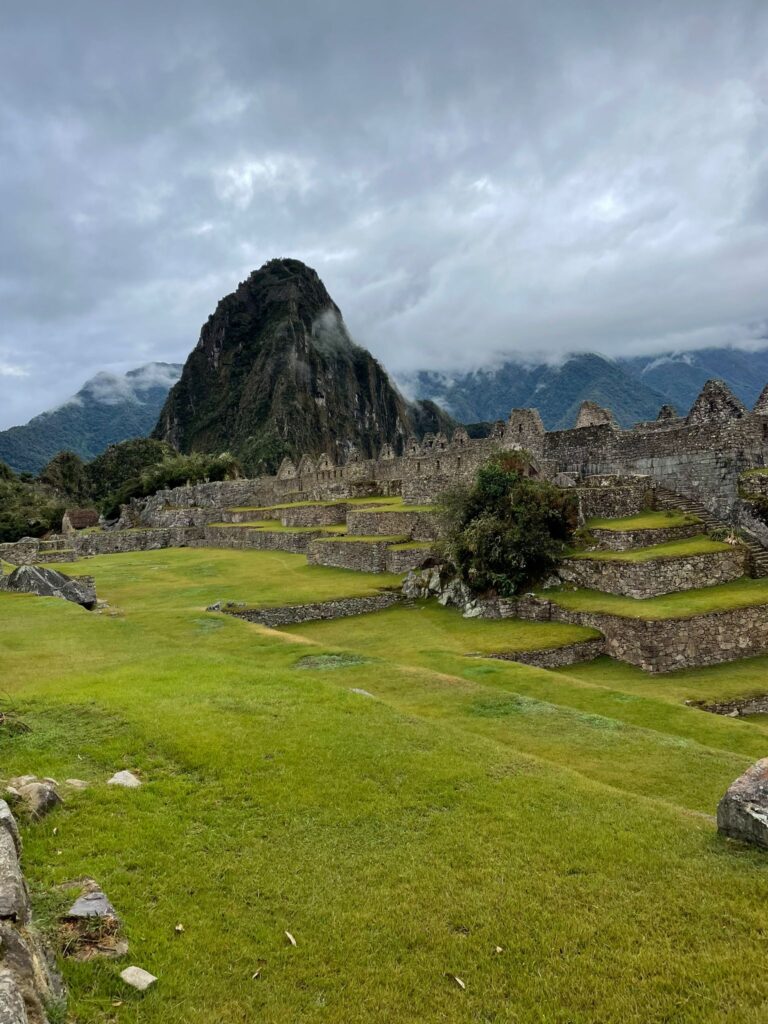
And then there’s the fog. Up high in the mountains, it gets pretty foggy and only luck will determine whether or not you see the citadel. During my first visit, the fog at least subsided enough to see the best of Machu Picchu, if only for a brief time. During my second trip there with my girlfriend in March 2025, the fog only partially cleared and we never saw the best of it.
Now when you buy tickets, you can choose to follow one of three circuits. These circuits are broken down to include little extras. If you pay more, you can hike up Huayna Picchu or Machu Picchu Mountain.
I hiked up Huayna Picchu the first time. And whilst it was really cool to see everything from the top, it was also pretty dangerous with wet slippery rocks to ascend.
During my second Machu Picchu trip, landslides had closed the Salkantay Trail, which meant our only option was the boring way to get there: a lengthy van ride to Hidroelectrica, a 4-hour walk through the jungle to Aguas Calientes, and the choice between taking the bus or walking for a couple more hours to ascend the mountain.
If we count the lengthy treks as part of the Machu Picchu experience, it’s the best World Wonder without doubt. If we only judge the citadel itself, it’s cool, but would probably be slightly further down this list.
On the balance of everything, I’m ranking Machu Picchu as the second-best World Wonder.
1) Taj Mahal
Location: Agra, India
Entry cost: 1,100 rupees (£10/US$13)
Opening Hours: From 30 minutes before sunrise until 30 minutes before sunset Saturday-Thursday. Closed on Fridays
Official website: tajmahal.gov.in
Maybe it’s because this was my first real World Wonder (after the Pyramids of Giza, although as discussed earlier, they don’t count for this list), but the Taj Mahal was a special place to see.
A giant marble mausoleum built by Mughal emperor Shah Jahan in memory of his wife, the Taj is pretty impressive.
We dreamed of waking up at sunrise to see the very best of this incredible site. Unfortunately, I was struck down by food poisoning, which is very much part of the India backpacking experience.
After a day rooted to my bed/the bathroom, it was my friend’s last day in India, which meant we had to see the Taj Mahal regardless of how I felt.
Fortunately, the food poisoning subsided just enough for me to be able to walk around once more, albeit with little strength and energy.
We scrapped the sunrise idea for these reasons, and went in the morning instead.
The coolest thing about the Taj is that there’s a stream running down the middle towards the building itself, and there are a couple of bridges over this small stream. Therefore you can stand on one of them and take photos without people around.
Now India is the ultimate culture shock experience for any traveller, and the Taj Mahal is no different.
Despite being no stranger to foreign tourists, it attracts millions of visitors from across India throughout the year too, and for many, this is a special trip and a very rare occasion that they make it outside their small town or village in a remote part of the country.
Many of these people have never seen a white person before, and if you’re white then they’ll be fascinated by your appearance and ask for selfies with you.
A few Indians even insisted on giving us their babies so they could take photos of the baby with us.
It was a little discomforting to begin with. But that’s India in a nutshell. The land of chaos and discomfort (and a lot of fun too).
The Taj Mahal is actually a functioning mosque, therefore it is closed on Fridays for prayers. So don’t plan on coming here just before the weekend!
The Taj Mahal combines a fun cultural experience with magnificent architecture. It’s a lot of fun and maybe one day I’ll come back to see it again.