
Is Mongolia Safe to Travel to as a Tourist?

Disclaimer: Some links on this page may be affiliate links. If you purchase anything through them, I will receive a small commission at no extra cost to you! Further details in the Privacy Policy.
I felt very safe when I visited Mongolia, which quickly became one of my favourite countries from over 85 visited.
As in many countries, crime is mostly centered around the big cities. But with Mongolia’s tiny population of just 4 million people, and its rich nomadic culture with hardy locals living in remote gers (yurts) far from civilisation, only the capital Ulaanbaatar has over 100,000 people.
Ulaanbaatar is pretty safe during the day, but can be slightly risky at night as Mongolians absolutely love tanking down as much alcohol as possible and can be pretty aggressive. After all, we’re talking about the ancestors of Genghis Khan here.
I’d compare the safety levels of Mongolia to Eastern Europe. It’s generally pretty safe and crime isn’t a major issue for tourists. You don’t need to be ultra cautious here as you would be in Latin America or much of Africa.
However it doesn’t compare to some of the other countries in East Asia such as South Korea, Japan or Singapore which are amongst the safest in the world.
The biggest danger in Mongolia is the weather. It has astonishingly cold winters dropping to averages of -25°C in some parts of the country with record lows of -45°C previously recorded.
In fact, the capital city has average January temperatures of -23°C, making it the coldest capital on earth.
I highly recommend visiting Mongolia during the pleasantly warm summer months of June-August or the shoulder months of May and September to stay safe out here. I was there in June and had an amazing time! Although even then it does get cold at night, especially in the rural areas…
This guide will explain what the biggest dangers are in Mongolia and how to combat them.
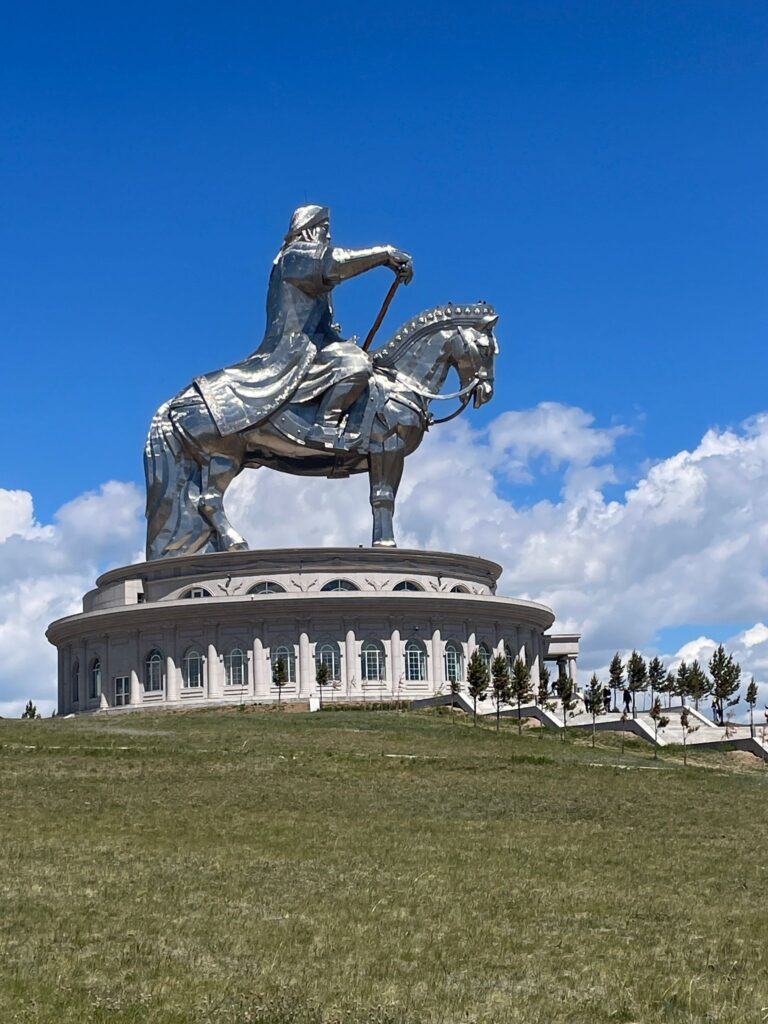
Why the Weather is Mongolia’s Biggest Danger
Let’s start with the important stuff: the weather. This is by far the biggest threat to your safety here, regardless of which parts of the country you visit.
I went in June, and it was relatively warm. This is pretty much the best time to go. However even then, I had to wear a jumper and jacket at times in the remote rural areas because the winds were pretty strong, and it cooled down a lot at night.
You need good travel insurance here, just in case things do go wrong. As a seasoned traveller who goes to many remote and rugged areas both in Mongolia and across the world, I always look for insurance that covers all likely medical and repatriation issues you may face.
SafetyWing Insurance
Don’t risk being left with a possible $100,000+ bill if something goes wrong on your travels.
Click on the link below to avoid a stressful trip, protect yourself, and know that you will be covered in emergency situations.
Anyway, let’s get stuck into the sort of weather hazards this beautiful country can throw your way.
The Extreme Cold
They even have a name for the extreme cold weather: dzud.
As I mentioned, the winters drop below -25°C on average, and close to -45°C in the most extreme cases.
Frostbite is a serious risk. Likewise hypothermia.
Mongolians tend to consume a lot of calories in the winter to build a natural barrier against the cold. I wouldn’t say putting on a ton of weight is a particularly smart idea overall, but it can help you a little out here.
They also wear super-warm clothing made from sheep’s wool. Only their faces remain uncovered in the coldest months.
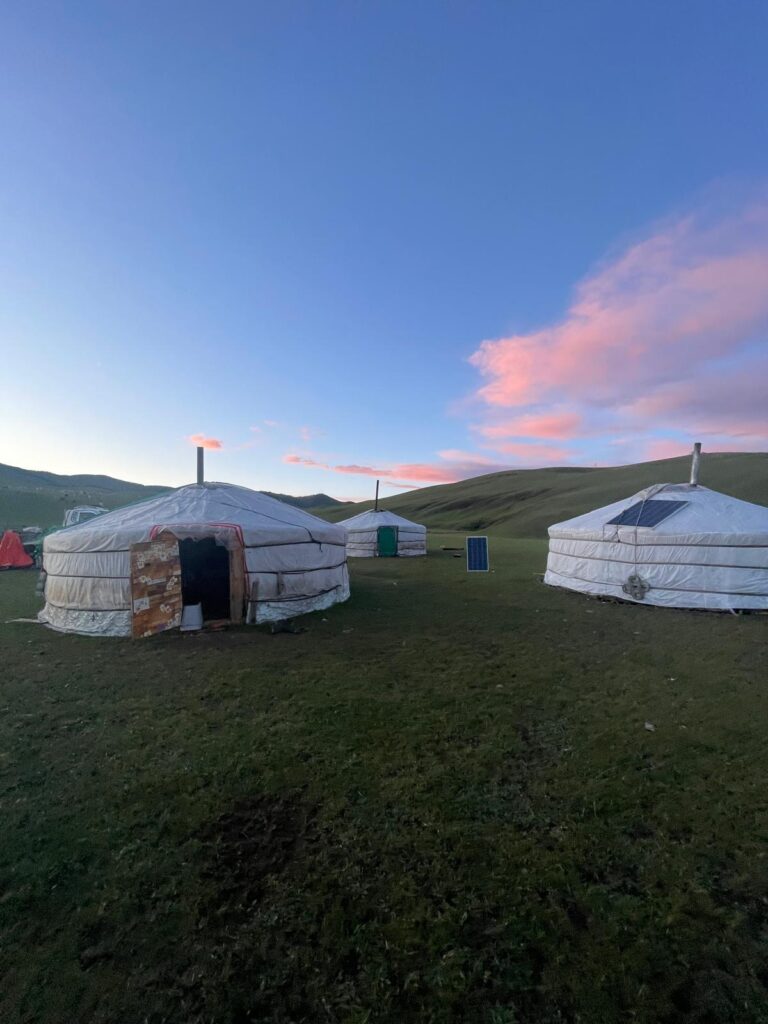
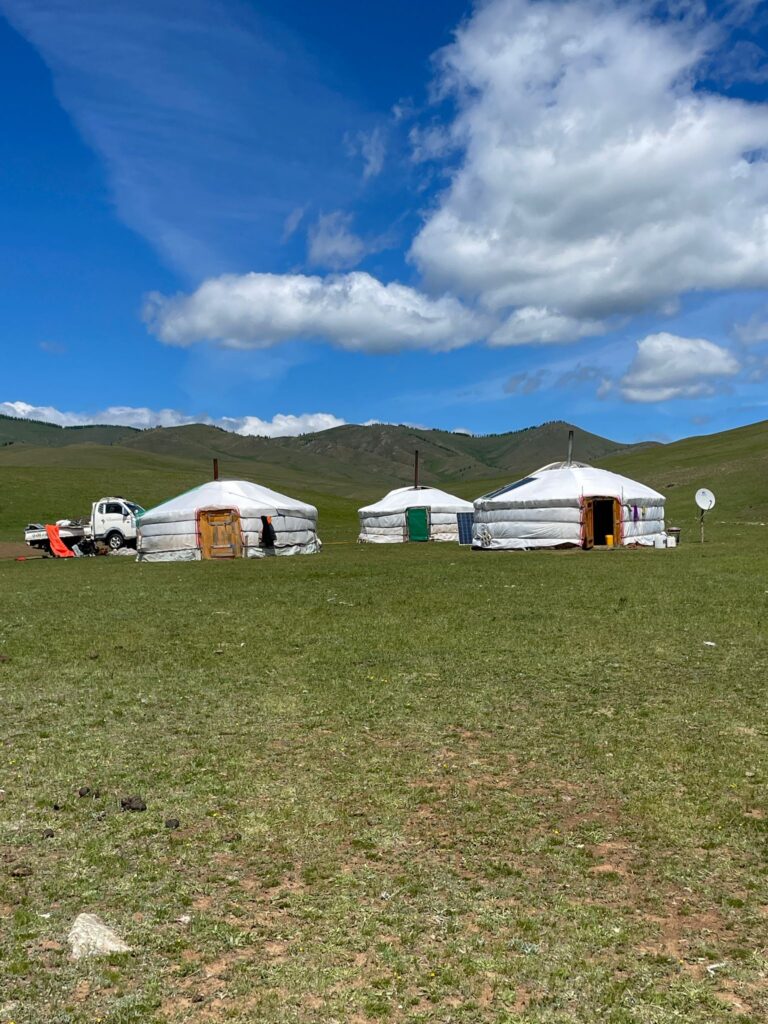
On top of this, they light a stove inside their heavily insulated yurts made of felt. Although when I stayed with Mongolian nomads, the embers of the stove eventually fizzled out, and suddenly it became very chilly inside. And this was in June so I can only imagine how cold it would be in the winter months.
I later had similar ger experiences in Kyrgyzstan and it was exactly the same. Once they light the stove, it’s baking hot inside to the point where I was boiling even with just a t-shirt on! But by the following morning when the fire had long since gone out, it felt like we’d just woken in the middle of Antarctica.
Very Strong Winds
I mentioned the winds being pretty strong, but did you know they can take the paint off cars and damage gers?
In Ulaanbaatar the winds aren’t such a problem. But in the remote steppe, you’re completely exposed to the elements and can easily be blown off your feet.
The mountains and Gobi Desert are areas where you’re most likely to encounter issues with the winds.
In fact, the winds in the Gobi cause dust storms which can completely obscure visibility.
The spring months of March-May are the worst for strong winds. The autumn months of September-November are not quite as bad, but still a challenge.
If I ranked every country I’ve been to based on how challenging the weather can be, Mongolia would be number one on the list.
Sun Exposure
Whilst the summers from June-August are by far the best time to visit Mongolia, they do have one drawback compared to other times of year. The sun.
Ulaanbaatar isn’t such a problem. I was hot there and sweating a lot, but it’s no worse than in other countries I’ve visited.
Once again, it’s the rural areas where you need to be careful.
The Mongolian steppe is completely exposed. Just about no shade at all outside of the gers.
I recommend wearing long sleeves, even in hot weather, and a hat with a flap that covers the back of your neck as a bare minimum.
Also, bring some strong sun cream here. The heat can be intense during the day, so you risk getting badly burned.
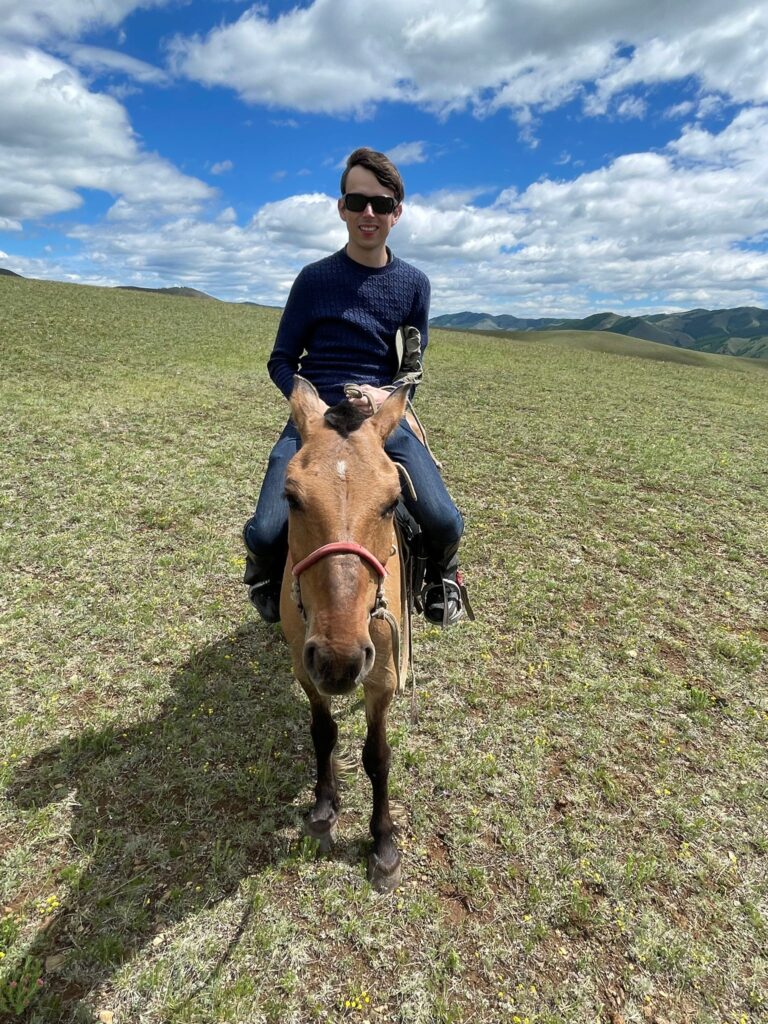
If anything, the steppe can lull you into a false sense of security. I was riding a horse around with nomads and could feel the breeze of the winds brushing across my face.
Whilst this was a super cool experience and a great feeling, the winds made it easy to forget that the sun was so strong. Because I came prepared, I never got sunburned, but the risk is high.
Oh, and some polarised sunglasses that help combat strong UV rays will come in handy here. They’re useful in beach environments beside the sea, snowy locations, high-altitude mountainous areas, and scorching hot deserts. I’ve been wearing some for years and they’ve been absolutely fantastic in harsh areas, including the Mongolian steppe.
Everything You Need to Know About Crime in Mongolia
If you’ve done a bit of research, then you’ll realise that Mongolia has the 35th-highest murder rate in the world.
This is slightly lower than the USA and Russia, but above that of Zimbabwe and my least-favourite country Suriname.
Don’t be alarmed though. As a tourist, you’re almost certainly not going to end up contributing to these statistics. The vast majority of murders in Mongolia are alcohol-related, and a good chunk of them are domestic incidents.
Mongolians have a bit of an alcohol problem if we’re entirely honest, and they can be pretty aggressive after a bit too much vodka, which blew up in popularity during the country’s communist period during the 1900s.
People will warn you against walking around the cities after dark because drunk Mongolians can make them a dodgy place to be.
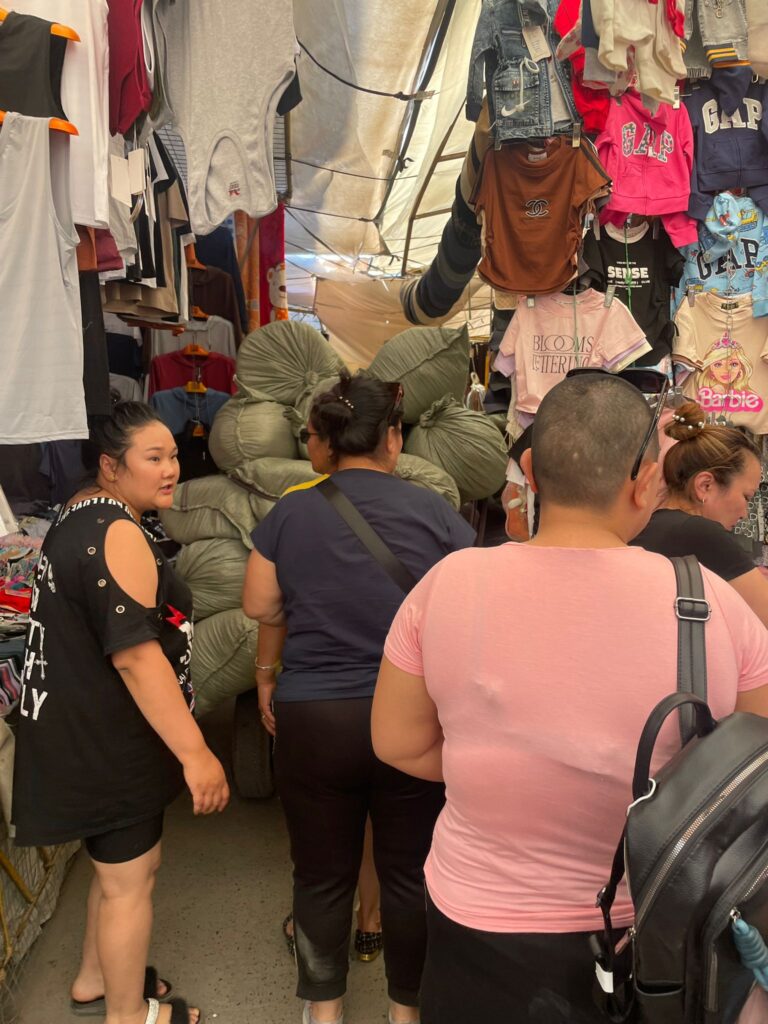
Besides alcoholism, the main problem to be aware of is pickpocketing. Just like in other countries, it’s crowded places where you should have your guard up. Buses and busy markets in particular.
And as a tourist, this is the crime most likely to have any impact on you. But I felt pretty safe in Mongolia overall, and all I did was follow standard solo travel safety procedures.

Is Ulaanbaatar Safe to Visit?
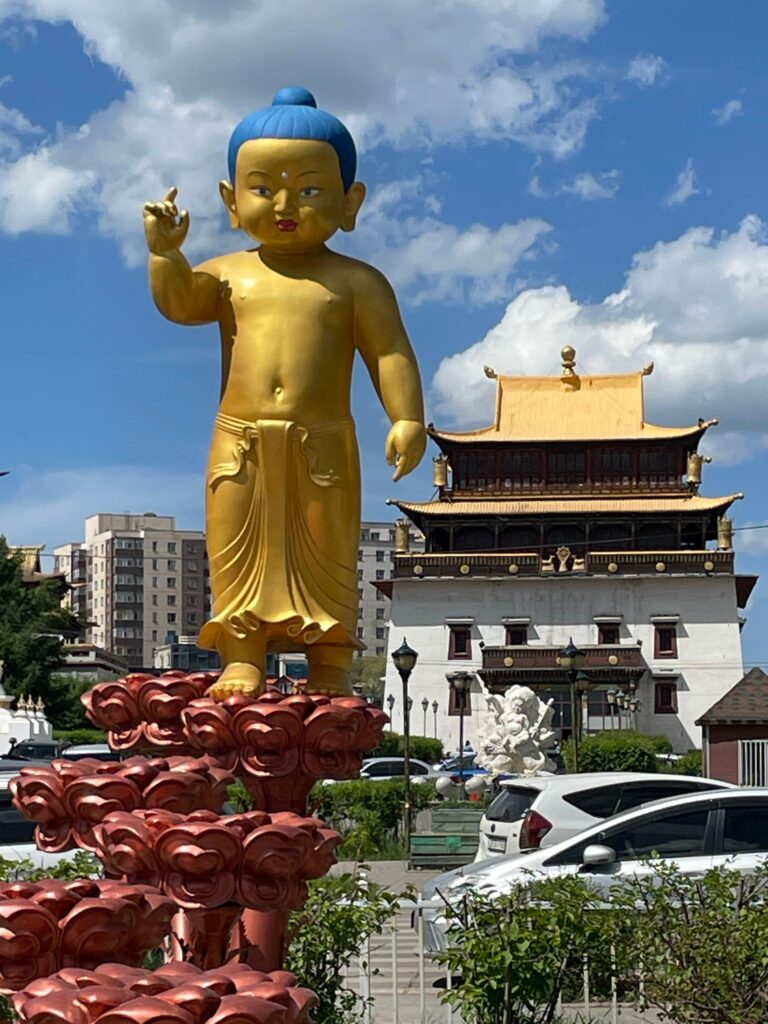
When we talk about crime in Mongolia, we mostly mean Ulaanbaatar which is home to half the country’s population.
Therefore pretty much everything I mentioned above about general crime in Mongolia can also be applied specifically to Ulaanbaatar.
Alcoholism is the number one problem in the city. Nightclubs can be dangerous places because of this. As a foreigner, you will most likely stand out here.
Nightlife in Mongolia isn’t anything to write home about anyway, so I’d stick to day exploration where Ulaanbaatar has many cool places to see.
Now you do have to watch your pockets around Narantuul Market, it’s pretty notorious for pickpocketing. To be honest I thought it was pretty boring regardless, so it definitely isn’t an essential on your Mongolia itinerary.
But overall, Ulaanbaatar is pretty safe. I didn’t go out much after dark (and stuck to well-populated areas when I did). With common sense you should be fine here. As with almost anywhere, dangers you hear about on the internet are exaggerated.
It’s advice from people who’ve actually been to the city recently, and can tell you from firsthand experience what the city is like that you should really listen to.
How Safe is Visiting Remote Nomadic Areas?
Crime isn’t something to worry about in rural Mongolia. But the harsh environments are a different story.
When you travel to a ger camp, you’re usually several hours away from civilisation, which means you’re a long way from a hospital if something goes wrong. Oh… and don’t expect any phone signal, regardless of which eSIM you purchase. Let alone Wi-Fi.
I find the Mongolian steppe to be a pretty brutal environment. You’ll experience strong winds in the open plains, even during the much warmer summer season.
Go outside the small May-September window of good (ish) weather, and you’re going to have to deal with extreme cold weather.
Don’t think you can cope the same as a Mongolian out here. They’re built for these environments and have years of experience coping with them. Unless you’re reading this from your home in Siberia, then you probably don’t.
You need to wrap up super warm during the coldest months, and your winter jacket that you wear in Europe or the US won’t cut it here. You need a proper fur coat with a good hood that goes down towards your legs. Not to mention thermals underneath your clothing, and some solid winter boots.
There are other hazards that await on the steppe.
One is the horses. Locals love to ride horses as a traditional part of their lives, however you should not expect western safety standards here. When I went riding, no one offered a helmet, and that’s standard across the country. Horses also may not be well-trained, so you can expect unpredictable behaviour from them at times.
Rural Mongolia is incredible fun. But it’s also a very harsh environment. Have fun, but don’t turn up unprepared!
Are the Roads Safe in Mongolia?
Mongolian roads can be unforgiving.
In Ulaanbaatar they are at least paved. Although you can easily get caught up in heavy traffic jams, especially if there is construction taking place somewhere along the road.
I didn’t take this into account during my own trip and ended up worrying about whether or not I would make my flight to China. And I say this as a “get to the airport several hours early” kind of guy…
Outside the capital, the roads are unrelenting. Not always paved, vehicles flying past at speed, seatbelts are a luxury, drunk drivers aren’t uncommon, and you’re in big trouble if your car breaks down in the middle of nowhere. You’re a loooong way from any sort of assistance, and without phone signal or an understanding of the Mongolian language, this can be a problem.
My recommendation would be to not rent a car here. Stick to buses, tours and private drivers to get around.

Healthcare in Mongolia
Mongolian healthcare is “free” (taxpayer funded) and the quality is pretty poor.
As someone from the UK, I’m pretty familiar with this sort of system.
State hospitals are notoriously slow, with staff who couldn’t care less what happens to you.
Ah yes, it’s just like being at home.
And needless to say, if you’re in a remote nomadic ger camp, then you won’t find any healthcare at all round there.
A handful of doctors speak basic English, but you’re going to struggle without a Mongolian local to help with the language barrier, assuming you aren’t a Mongolian speaker yourself of course.
Intermed comes with the best reputation of any private healthcare provider in Ulaanbaatar. I haven’t used them myself, but have been told by people who have that they’re far better than any other options.
Whatever you do, make sure you have good travel insurance just in case something goes wrong.
Is the Tap Water Safe to Drink?
Outside of Ulaanbaatar, no, you shouldn’t drink the tap water. It isn’t treated properly and can make you very ill.
In the capital, it generally is treated, but you should always ask hosts if it is safe to drink before going ahead with it.
Sometimes there are old pipes which can make you ill regardless, even if the water itself is safe.
You don’t want to risk a nasty bout of Chinggis’ revenge here, therefore I recommend using a filtered water bottle.
I’ve been drinking from a Water-to-Go bottle ever since I started long-term travel at the beginning of 2019. It has a filter which makes even the notoriously nasty water of India or Bolivia safe to drink, and I’ve never had a problem with it.
You need to replace the filter every 3 months, but it’s a travel essential that keeps you safe and healthy on the road. Highly recommend using one.

How are Food Hygiene Standards in Mongolia?
Not great if I’m honest with you.
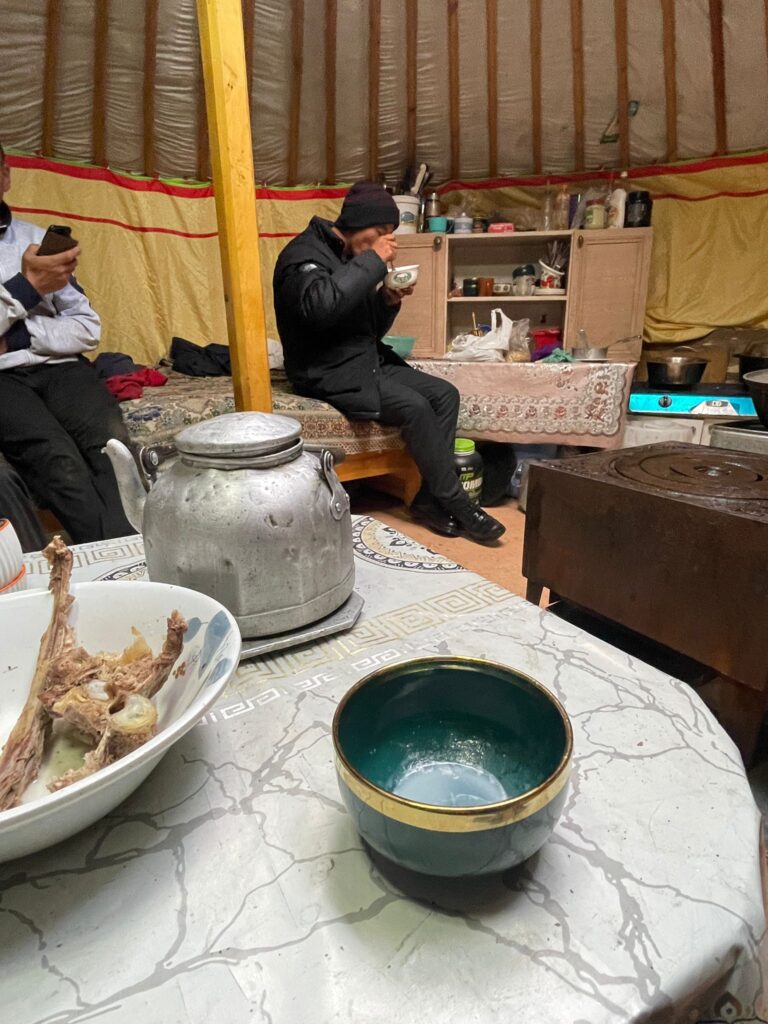
There’s no regulation for food preparation out here, and you can expect to be served undercooked meat more often than you’d like.
Cockroaches in restaurants aren’t unheard of in the summer months, and only the very cold winters prevent them being a problem the rest of the year.
When I stayed with a nomadic family in their ger, the host handled bread with his bare hands, putting it on a plate for us to eat. Worst of all, nomads in rural Mongolia do a lot of dirty work handling livestock and shovelling poop, so they carry a lot of bacteria to pass onto food. Even after washing their hands, they don’t often have soap or do a thorough job to get all the germs off.
And our host cared so little about food hygiene that he even put his phone on top of the bread we were meant to eat.
Fun fact: phones carry as much as 10x bacteria as a toilet seat does…
Needless to say, I passed on the bread.
I would also advise skipping salad and ice in Mongolia as both are often prepared with dirty water. Pork and poultry should also be viewed as high risk.
Whilst geographically, Mongolia may be “East Asian”, culturally, it’s very Central Asian. Now Central Asia is cool, but if you’ve explored a few countries in the region as I have then you know food hygiene is rock bottom of the priority list out here.
Travel Safety Tips in Mongolia
Since this is a Mongolia safety guide, I’ve focused a lot on what can harm you. But don’t take that to mean Mongolia is a dangerous place. It isn’t even close to being so.
Of course, this is a developing country, therefore safety and infrastructure aren’t up to the standards you’d expect in the UK or US for example.
However, here are my top Mongolia safety tips:
- Stay away from places where people get drunk (bars, nightclubs etc.). Mongolians can’t handle their drink well and these places can be dangerous after dark
- Wrap up warm. In the summer it gets pretty chilly at night, and even more so in rural areas. In the winter it is one of the coldest places on earth and you should wear lengthy fur coats like the locals, as well as numerous other layers
- Don’t rent a car here. You’re in big trouble if it breaks down in the middle of nowhere as internet signal is rare outside the towns and cities. It can be very hard to get help
- Watch what you eat. Food hygiene standards are poor. Ice, salad, pork and poultry especially should be avoided
- Drink from a filtered water bottle. This will save you from a lot of issues as it filters out nasty bacteria
- Tell someone what your plans are. If you get into trouble in the rural areas, you’re very unlikely to have a phone signal. The same goes for nearby locals. Make sure someone knows where you’ll be so they can find help
Is Mongolia Safe for Women?
The good news is that Mongolia is just as safe for women as it is for men.
Crime is opportunistic rather than targeted, and it doesn’t affect one gender any more than the other.
Mongolian women have to deal with occasional domestic violence, although this generally is caused by alcohol… as with many of the country’s issues…
As a tourist, you won’t have to worry about that. Just follow the same general advice mentioned above and you shouldn’t have any issues.
Mongolian culture is one where people are generally left alone. It isn’t like India where locals will often approach you and try to engage in conversation.
To Conclude, How Safe is Mongolia for Tourists?
Mongolia is a pretty safe country overall. If you follow the basic advice in this guide then you shouldn’t have any problems.
As I said at the beginning, safety in Mongolia is similar to that in Eastern Europe. Crime happens, but you’re unlikely to be caught up in it, especially if you take appropriate precautions.
The only real danger that you should be aware of is the weather. Keep an eye on weather reports, and I strongly recommend only going during the summer when the climate will cause few problems.
Mongolia is a wonderful country with a fun nomadic culture that you can experience. I suggest spending at least a couple of weeks there and seeing what this wonderful nation has to offer.
The main danger here is that you won’t want to leave!
