The Complete Afghanistan Travel Guide For 2026

Disclaimer: Some links on this page may be affiliate links. If you purchase anything through them, I will receive a small commission at no extra cost to you! Further details in the Privacy Policy.
Afghanistan is a tricky country to travel in. It’s certainly not for beginners. I’ve put this guide together based on my own recent experiences to help you navigate the many challenges you will face along the way, should you wish to travel to this incredible place.
It’s intense, chaotic, a logistical nightmare, the roads are crazy, the internet barely works, there is no local Uber equivalent to take the difficulties out of booking taxis, and the language barrier poses challenges.
But for all the difficulties, it has thrice as many rewards. The most hospitable people on earth, a rich history, ancient cities on the Silk Road, great nature, underrated cuisine, and so much more. It quickly became one of my top 10 countries from over 90 visited at the time of writing.
I’ve compiled this Afghanistan travel guide full of everything you need to know before visiting the country. But be warned, this is a place that changes rapidly. Rules change on a whim, and even many of the Taliban members who now control Afghanistan won’t find out for a while. Even the rules in place now are enforced sporadically.
Perhaps most surprisingly of all, Afghanistan is safe. In fact, it’s now the safest time to visit since the 1970s when it was a popular stop on the hippie trail. Rules are strict, but that’s a good thing. The country has gone from a no-go zone to a relatively safe spot for the adventurous traveller. Well, safe in terms of the people. The traffic is a different story…
I’ll be continuously updating this guide with the latest information as and when things change in Afghanistan. So keep an eye out, and bookmark this ahead of your trip to the graveyard of empires.
Why Visit Afghanistan?
Take the incredible history and architecture of Uzbekistan, combine it with the chaos of India, and throw in the most hospitable people on earth, and you have Afghanistan.
I lost count of the number of occasions locals invited me over to drink tea with them here. Even as a Brit, I struggled to keep up with all the tea drinking out here!
Afghanistan is finally opening up to tourism after decades of conflict, and the Taliban even told us they’ve seen tourist numbers shooting up in 2025. I met Brits, Americans and Canadians out here, so it’s not quite as cut off from the tourist trail as you may think.
A big reason behind this is safety. Afghanistan has notoriously been one of the world’s most dangerous countries this century. Endless wars, landmines, bombs, shootings, you name it… conflict became normalised in daily life here. But now, the Taliban have cracked down hard on crime and terror with extremely strict sentences even going as far as public executions.
ISIS have been contained to mostly a small pocket around the Pakistan border. And whilst the Taliban are still working to completely eradicate them, they pose little threat to tourists nowadays. It must be said that there was one deadly attack on tourists in Bamyan back in May 2024, however that was an increasingly rare exception to the rule and most visitors will face no safety issues.
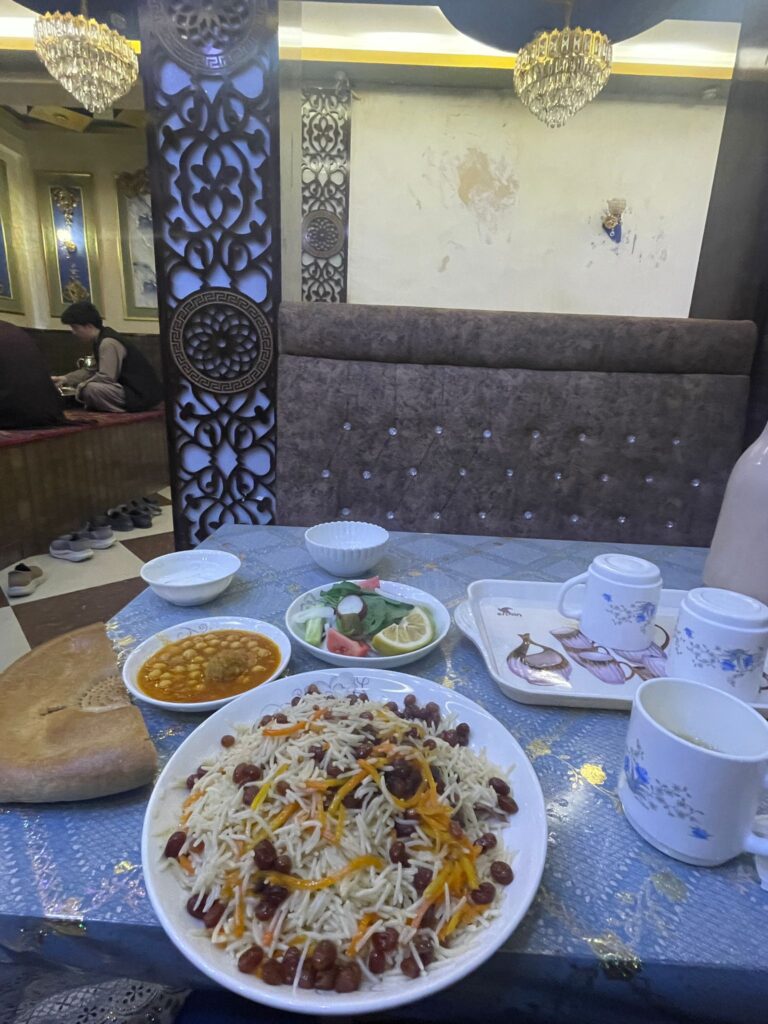
Then you’ve got the food. Afghan cuisine is pretty underrated if you asked me. I was getting sick of the Central Asian dish plov (meat, rice and carrots generally) in Kyrgyzstan and Uzbekistan due to the amount of oil often used. But Kabuli pilao is a much improved version with double the portion sizes and a lot less oil! Throw in sheer yakh ice cream, and Afghanistan offers some decent options for the hungry explorer.
When people visit Afghanistan and rank countries they’ve visited, it often appears in or around the top 10. And no, this isn’t clickbait to attract a ton of surprised comments, it genuinely is a wonderful place. I’ve been to a fair few countries now, and would put Afghanistan in my top 10 for sure. This is one reason why I want to visit every country. You end up finding incredible gems which you never would’ve thought of visiting before. Mongolia, Myanmar and Venezuela also fit into that category.
Afghanistan offers a lot for the adventurous traveller, and whilst it’s not a place for everyone, you will probably have a memorable time here. I can’t compare it to any other country I’ve been to before. It’s unique and exciting with a lot to offer.
Travel Itineraries For Travel in Afghanistan
With its rich history, nature and culture, Afghanistan isn’t exactly short of awesome places to visit. But with a limited time, you have to be picky about where you go.
You will need permits for every province, which I’ll explain in detail later on in this guide. And I would recommend taking internal flights where possible, because I learned the hard way just how long it takes to travel by road here. The apparent “3-hour” trip from Kabul to Bamyan and back wasted two entire days…
1-Week Itinerary: Afghanistan For Beginners
Kabul, Mazar-i-Sharif and Balkh.
Most people will start their Afghanistan adventure in Kabul. This is one of two “easy” entry points into the country (the Hairatan border from Termez in Uzbekistan is the other).
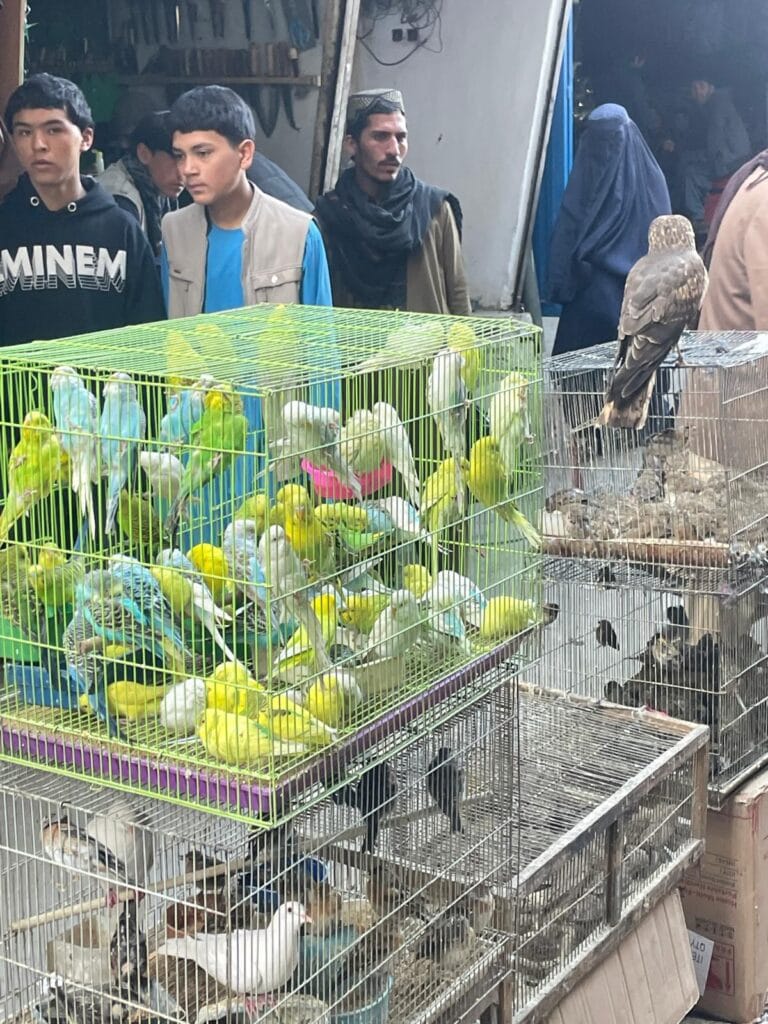
Kabul has a lot of interesting spots to visit. One of my favourites is the Ka Feroshi bird market, hidden down some narrow alleyways, where vendors sell birds. Many were used for fighting as a form of entertainment, although the Taliban outlawed this in 2021 which has seen business suffer.
Elsewhere, the OMAR Mine Museum is an interesting learning experience where you can find out all about how these deadly objects caused great damage across the country, and what to look out for in rural areas where they still exist.
Kabul has many other cool things to do and you should spend 4-5 days there before flying to Mazar-i-Sharif.
The Blue Mosque is an incredible place to visit. Other highlights include the bustling local markets, and sampling sheer yakh ice cream at Afghanistan’s most famous ice cream shop, Haji Abdul Rahim Creamery.
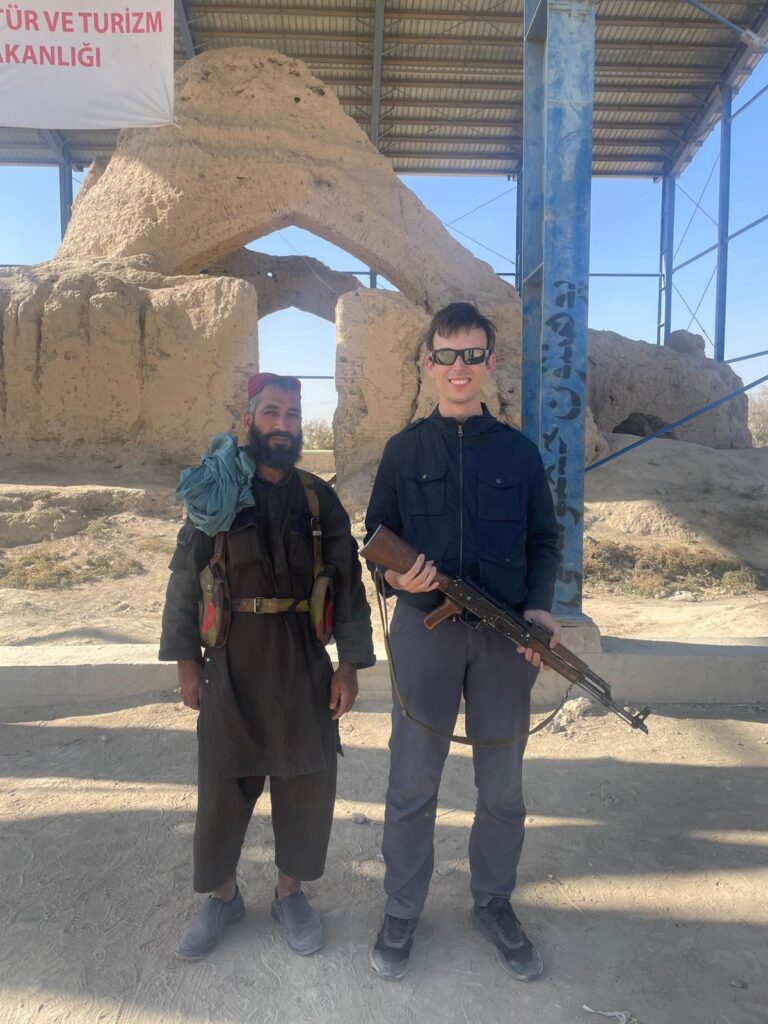
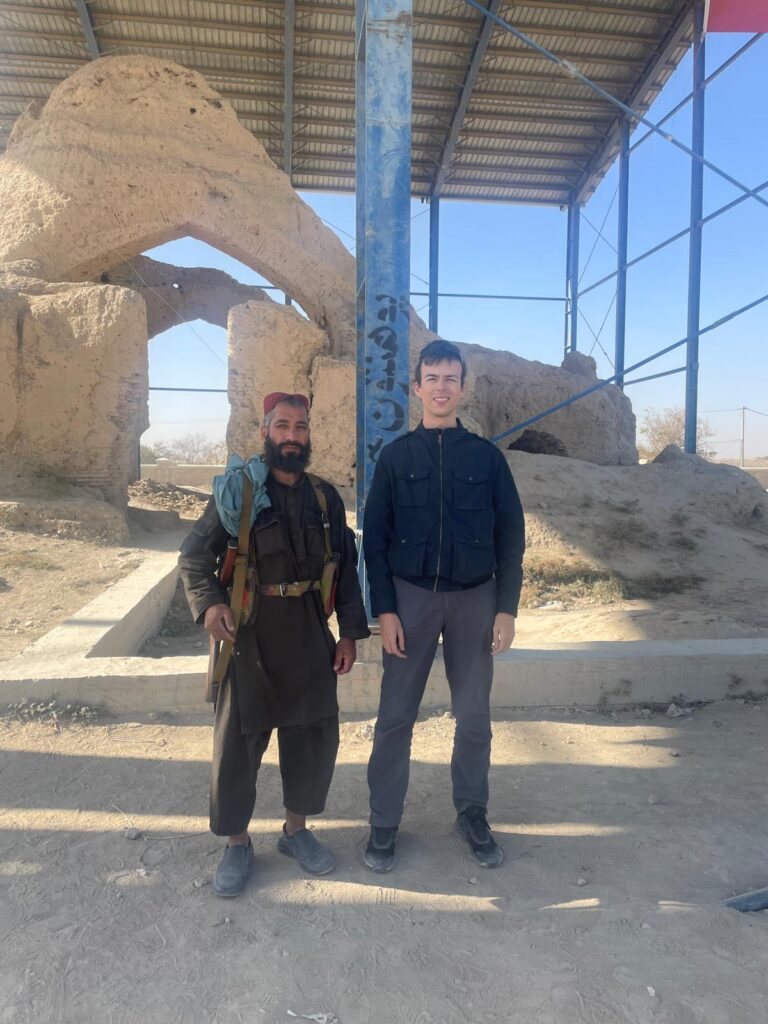
From Mazar, you can take a half-day trip to Balkh, a small town that’s home to the impressive Green Mosque, the tomb of poet Rabia Balkhi, ancient walls built by Genghis Khan, and the home of famous poet Rumi. You even have to have a Taliban bodyguard accompany you here, which is part of the fun!
Flying out of Mazar can be tricky as it has few international connections. Therefore you’d have to fly back to Kabul and leave from there, or head north into Uzbekistan (Termez) as another option and possibly head up to Tashkent to leave.
2-Week Itinerary: All The Country’s Hotspots
Kabul, Panjshir Valley, Mazar-i-Sharif, Balkh, Bamyan and Band-e-Amir National Park.
You can enjoy Kabul, Mazar-i-Sharif and Balkh just as in the 1-week itinerary above. You can spend a little longer in Kabul to take in the sights at a more relaxing pace.
Whilst in Kabul, you can also take a day trip. One of the best is to the beautiful Panjshir Valley, historically the home of the resistance movement against the Taliban, although they do control it now. Look out for incredible mountain scenery, the tomb of resistance leader Ahmad Shah Masoud, and tanks left behind by various invading forces over time.
From Kabul, it will take around a day to reach Bamyan (unless you hire a private driver). Bamyan has two notable attractions. The Buddhas of Bamyan (really just holes in the wall now, as the Buddhas were destroyed in 2001), and the City of Screams where Genghis Khan’s forces slaughtered all the locals. It gets its name as their screams were heard throughout Bamyan’s valley.
From Bamyan you can hire a driver for 2,000 afghanis (£24/US$31) to take you on a day trip to Band-e-Amir National Park, famed for its picturesque blue lakes, and surrounding mountain scenery.
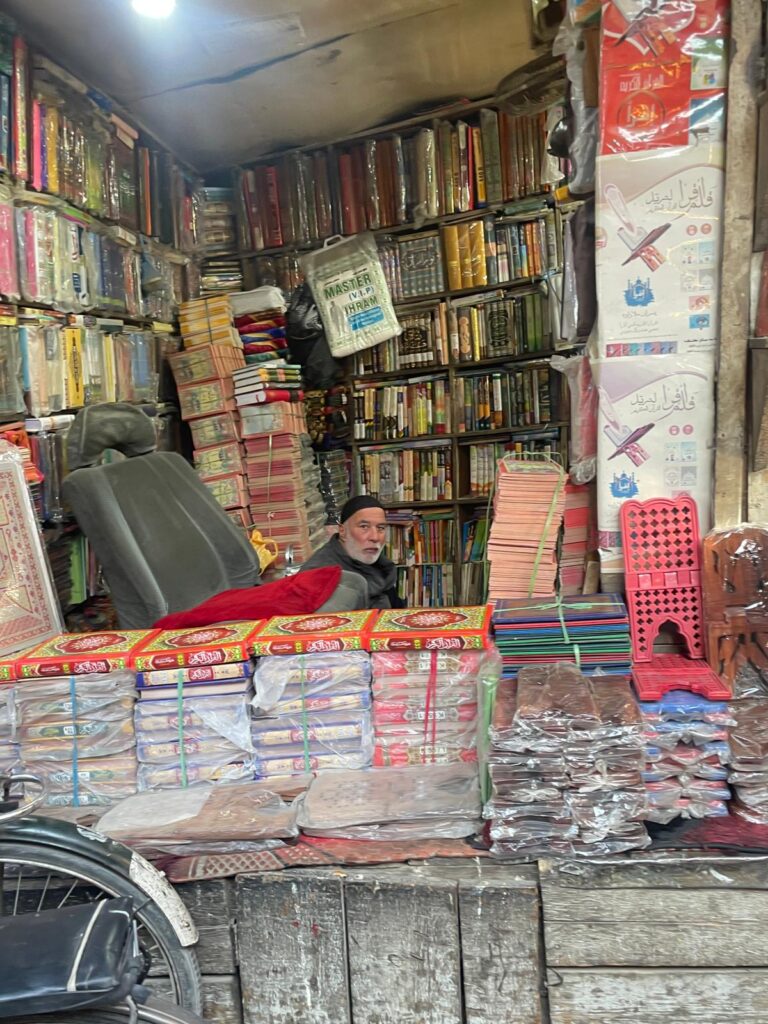
1-Month Itinerary: Explore Afghanistan In-Depth
Kabul, Panjshir Valley, Mazar-i-Sharif, Balkh, Bamyan, Band-e-Amir National Park, Kandahar, Herat and Wakhan Corridor.
Aside from having more time to explore all of the above destinations in depth, you can really “complete” the main places of interest in Afghanistan with a month here.
Herat is a famous city on the Silk Road between Europe and East Asia. It has some awesome mosques, most notably the Grand Mosque which gives off strong Registan Square vibes, if you’re familiar with Samarkand in Uzbekistan. There are also some cool bazaars here selling all sorts of little trinkets and handicrafts.
Kandahar is best known as the birthplace of the Taliban. You can experience hospitable Pashtun culture here (the Taliban are predominantly Pashtuns), climb up the 40 steps monument of Chil Zina, and visit Kirka Sharif, where the Prophet Mohammed’s cloak can be found.
Lastly, the Wakhan Corridor between Tajikistan and Pakistan offers incredible natural beauty in a relatively untouched part of the country with little infrastructure, but a lot of nature. Please note: since June 2025, Pakistan, China and USA passport holders have been banned from visiting here.

Best Places to Visit in Afghanistan
Afghanistan combines an incredibly rich history with strong Islamic cultures, and a touch of natural beauty thrown in. There’s a lot worth seeing here, and it will take weeks to explore the coolest spots the country has to offer.
Mazar-i-Sharif
I love Mazar-i-Sharif, it’s my favourite place in Afghanistan. That may surprise some people, as it doesn’t have a ton of stuff to do, but what it does offer is a lot of fun.
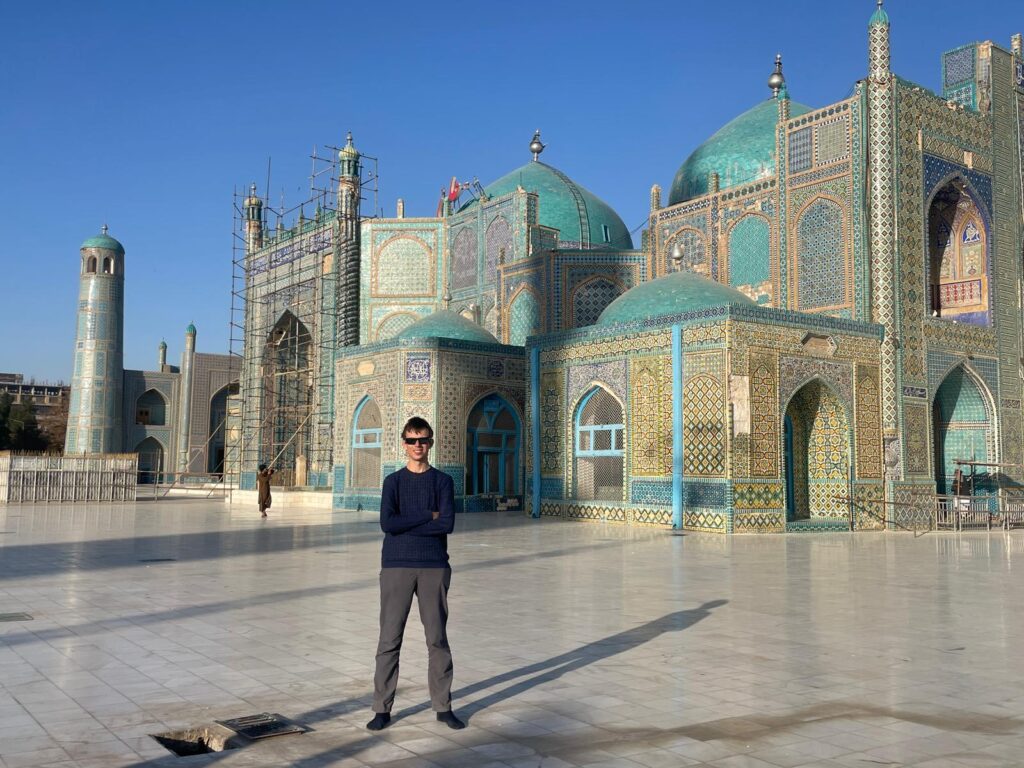
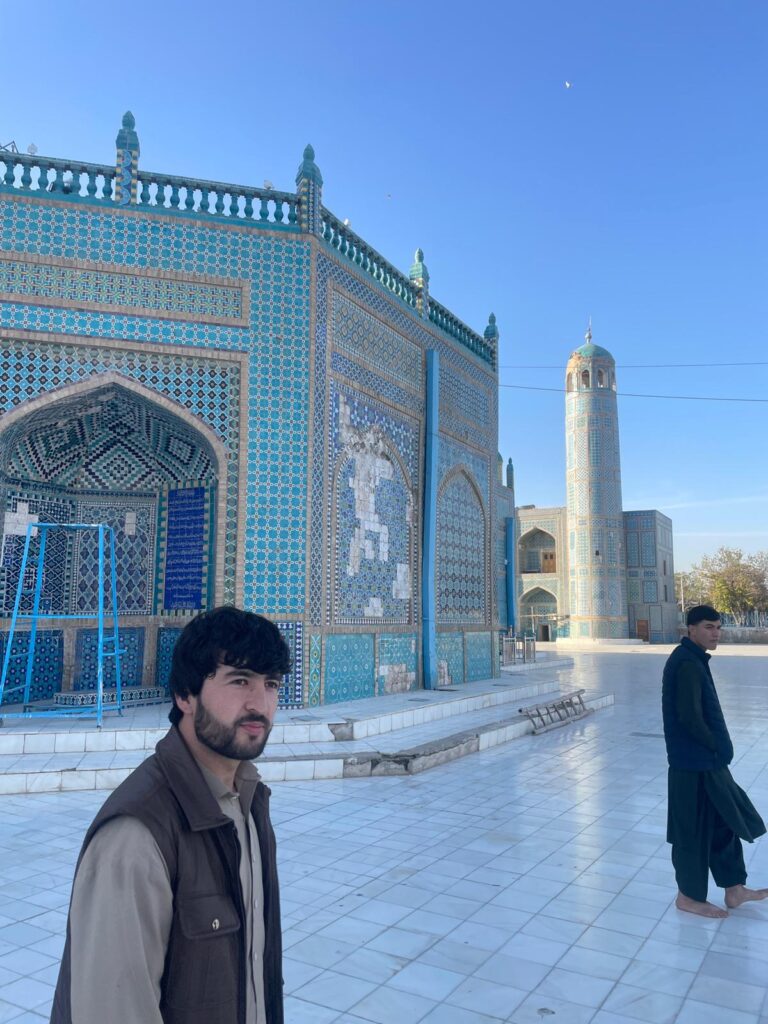
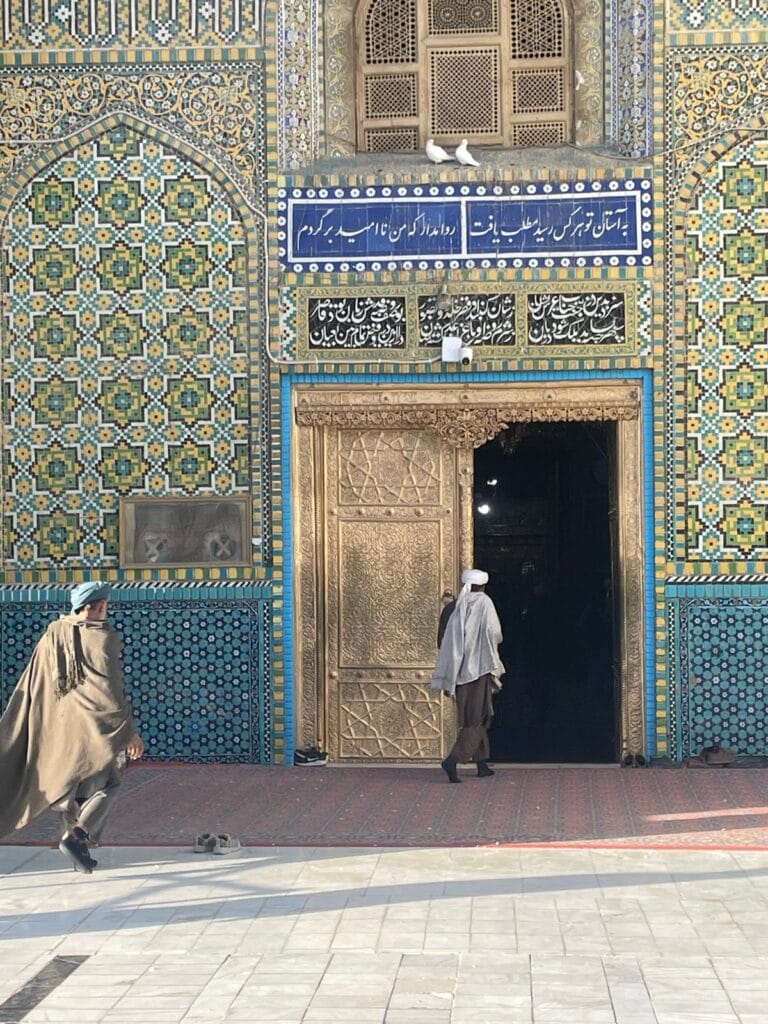
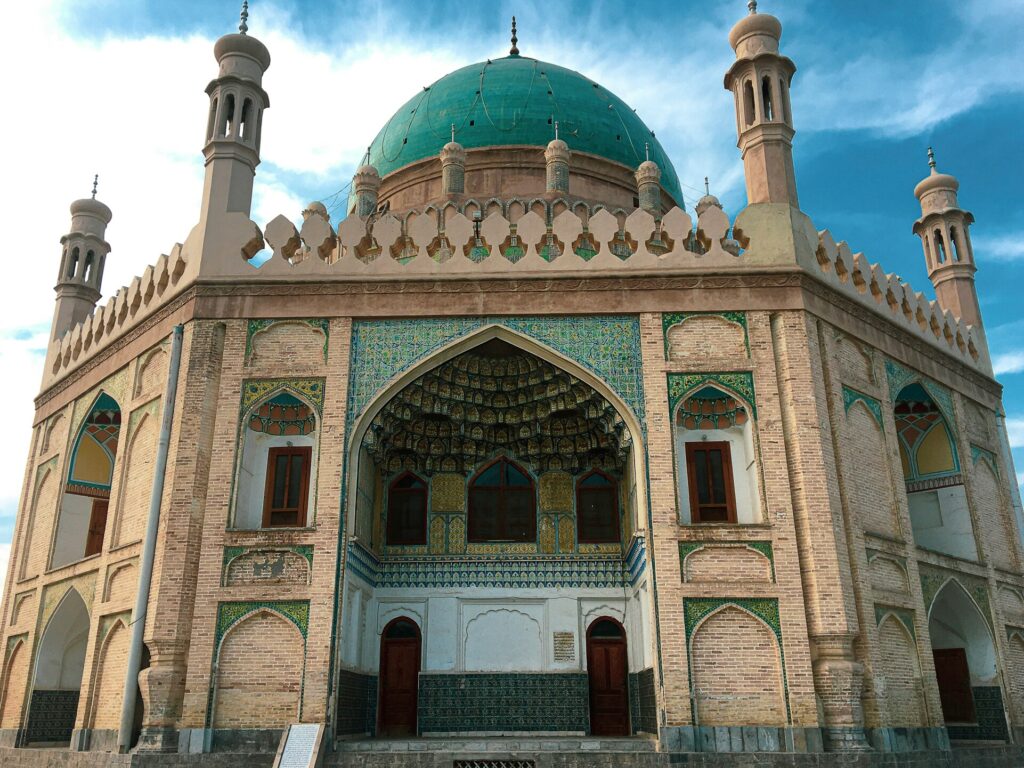
First up we have the Blue Mosque. An architectural wonder that wouldn’t look out of place north of the border in Uzbekistan, although I’d say this is far cooler with a much more authentic Afghan feel to it, and not a single selfie-taking tourist to be seen.
Unfortunately, half of it is now covered in scaffolding after being struck by a recent earthquake. The earthquake shook my bed and woke me up 500km away in Bukhara, and since Mazar is near the epicentre, the damage is more apparent over here. You can still visit however, it costs 350 afghanis to enter (£4/US$5).
Then you’ve got the markets of Mazar. They’re chaotic, intense, authentic, and seriously good fun. But you should be careful here. As three white guys, we drew way too much heat and were soon surrounded by a group of overexcited kids, who were keen on alerting the world to our presence. Whilst most were friendly, a couple of teens tried grabbing us and making moves on our pockets, so you shouldn’t be afraid to push them away if the situation gets too intense.
Opposite the Blue Mosque are several carpet shops. Go to some of these and talk to the owners who may well invite you in for tea. Get to know them a little and they may even try to sell you war rugs, which are carpets with images of weapons and even 9/11 images on them. Yikes. Still interesting to see though.
Mazar is also home to Afghanistan’s most famous ice cream shop: Haji Abdul Rahim Creamery. The sheer yakh there is delicious, and the portion sizes are massive! It costs roughly £1.50-£2/US$2-US$3 for a portion of ice cream, unless you go for one of the fancier options on the menu.
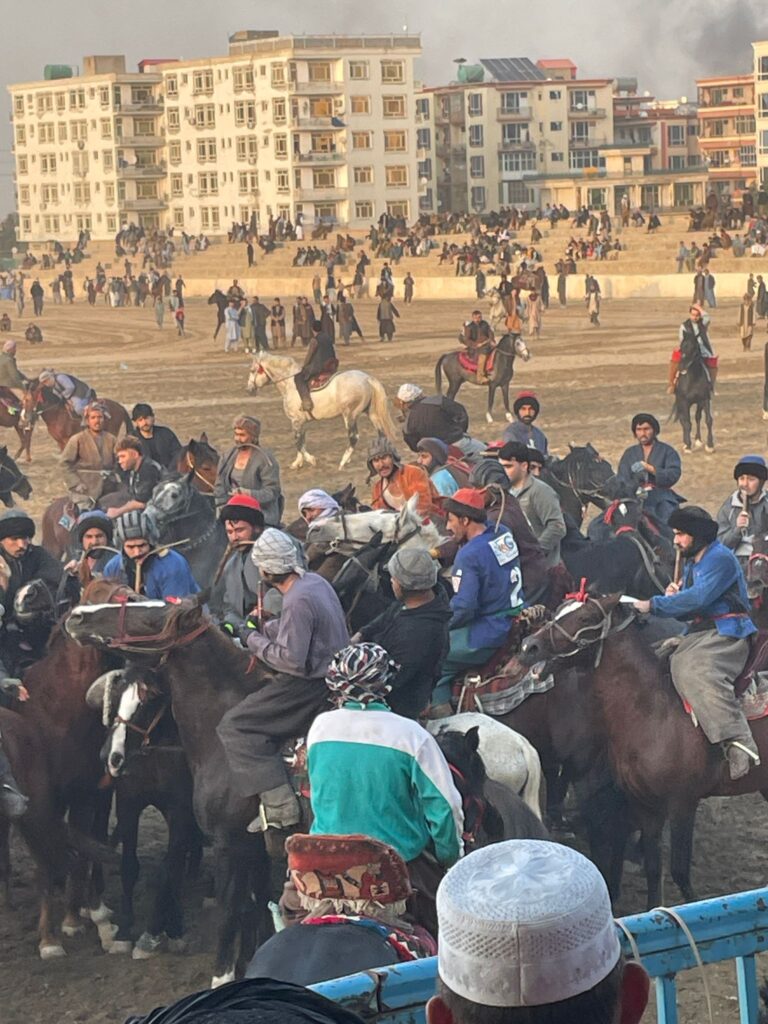
Lastly, Mazar is one of the best places in the country to watch buzkashi, Afghanistan’s national sport which is where riders on horseback compete to grab a sack (formerly a sheep’s carcass) which they aim to throw in a small circle on the ground without other riders snatching it off them. I’ve never seen such a dangerous sport in my life, but it’s incredibly interesting to view as a spectator for just 40 afghanis (£0.50/US$0.70 roughly). I definitely wouldn’t want to play though!
Kabul
As with most countries, the capital city is a place with a lot to offer. Afghanistan’s capital is no different. Kabul is well worth a few days of your time.
Perhaps the most famous attraction is the Ka Feroshi bird market. Traders used to make a lot of money selling birds to be used in bird fighting competitions before the Taliban outlawed them. They’re struggling to make so much now, but still happy to chat with visitors and pose for photos.
One place I found fascinating was the OMAR Mine Museum where an English-speaking guide showed me many of the mines used in Afghanistan over decades of conflict. We watched an educational video showing how mines are often scattered around rural areas, and I learned how to identify an active minefield. Interesting stuff. Entry costs 500 afghanis (£6/US$8).
Chicken Street is popular for all its handicraft shops. Must admit that personally, I found it pretty boring. But the Taliban guard sat with his gun inside a little turret was kinda cool to see. Just don’t take pictures of the Taliban without permission… If you like little trinkets, you may still enjoy it here.
The Gardens of Babur are a green space in the capital, which also happens to be the resting place of Babur, the first Mughal emperor. If you didn’t already know, the Mughals are the guys behind the Taj Mahal in India too, so they were pretty influential back in the day.
The Sakhi Shrine is another really cool-looking blue building where the cloak of the Prophet Muhammed was kept before being moved onto Kandahar. It’s also known as the Blue Mosque which makes sense when you realise its appearance is similar to the one in Mazar.
There are other interesting spots too such as the Darul Aman Palace, and a giant Taliban flag flying on top of a hill near Wazir Akbar Khan. Kabul deserves at least a few days of your time to fully explore.
Bamyan And Band-e-Amir National Park
Bamyan is best known for the Buddhas of Bamyan. Unfortunately, they’re no longer there having been destroyed during the first spell of Taliban rule back in 2001, but the holes in the walls remain, alongside many smaller holes where monks used to live in cliffside caves.
The other main attraction in Bamyan is Shahr-e-Gholghola, known as the “City of Screams” after Genghis Khan massacred the entire population, and their screams were heard across Bamyan Valley. You can get an entry ticket here for 500 afghanis (£6/US$8) that also covers the Buddhas. Although to be honest, you can get close to the Buddhas without a ticket. I’ve been told the price may double soon, so don’t be surprised if you’re charged 1,000 afghanis here.
Now, don’t be fooled by Google Maps when visiting the City of Screams. I wasted an hour walking through remote villages surrounded by confused Afghan children who had probably never seen a white man in their life, as Google listed the wrong location. The City of Screams can be found at this point south of the bus station.
Now there’s one really awesome day trip from Bamyan, and that’s Band-e-Amir National Park. A word of warning: even if you have permits for Bamyan province (obtained elsewhere) you will need to go to the permit office in Bamyan to get them approved for travel to Band-e-Amir, despite it being in the same province. Welcome to the world of pointless Afghan bureaucracy (at least the Taliban will invite you in for tea).
The Taliban initially weren’t happy because I didn’t have a translator, only a driver who spoke no English. They told me I required an interpreter to visit. After half an hour of phone calls, they eventually signed my permit and let me go to the national park without an interpreter. Rules aren’t applied consistently in Afghanistan…
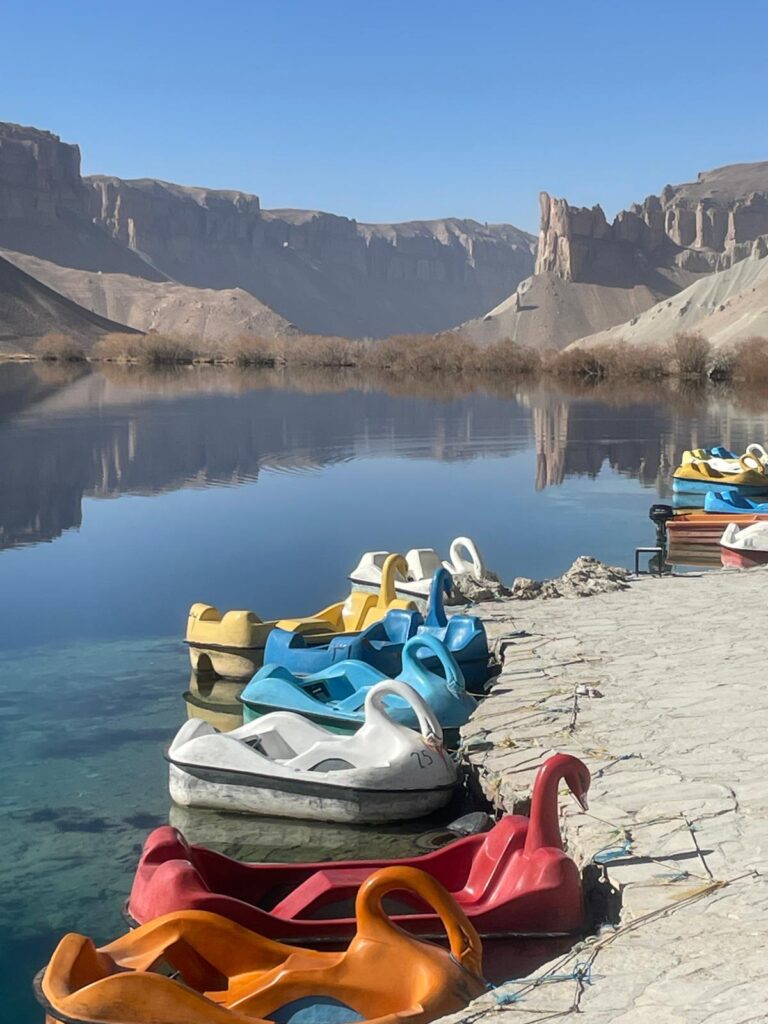
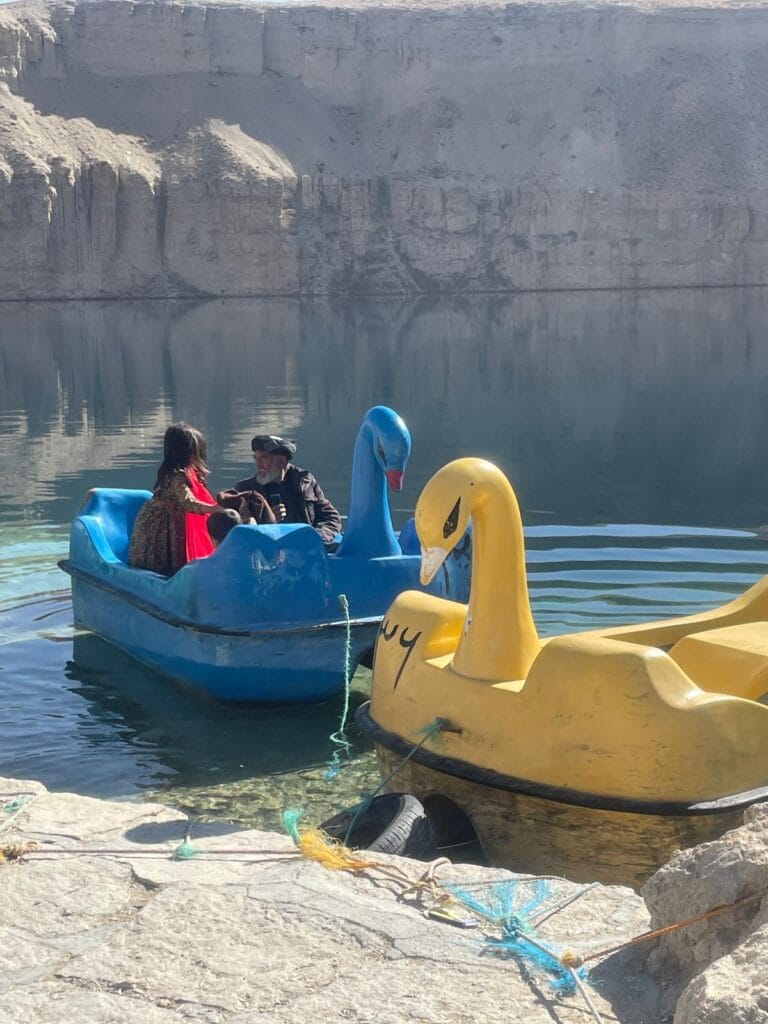
Anyway, Band-e-Amir is famous for its awesome blue lakes and surrounding mountain scenery. You may have seen viral images of the Taliban enjoying a relaxing cruise around a lake on swan-shaped boats. That took place here!
It’s pretty awesome, but I don’t recommend going in November as it’s pretty cold and there’s not a lot going on.
Herat
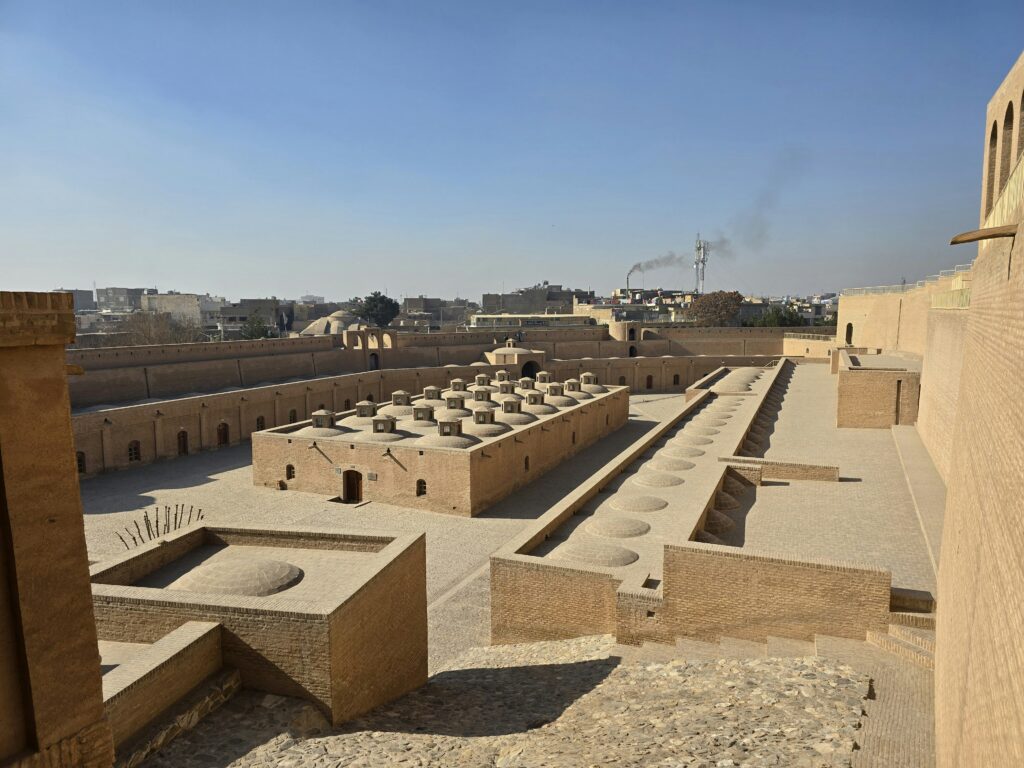
Herat is a city in the west of Afghanistan, which could easily be mistaken for a part of Uzbekistan. It’s a key Silk Road trading stop with Timurid-style architecture, just like what you might find in Samarkand.
Perhaps the highlight is the Great Mosque of Herat, which like Mazar’s Blue Mosque, is a far more authentic-feeling Timurid-style mosque, with only worshippers to be found, and probably no other tourists in sight.
Herat Bazaar is another cool local marketplace where you can see what’s going on with locals selling all sorts of cheap goods. As with Mazar, be careful not to get surrounded here if you attract too much attention, just to be on the safe side.
The Gawhar Shad Mausoleum is another impressive Timurid building you can visit. It’s no longer used as a mausoleum, but is still worth checking out.
There’s even a Jihad Museum which is similar to Kabul’s OMAR Mine museum in some ways, with large displays of mines and heavy weaponry used throughout past wars. This museum focuses more on the Soviet occupation.
Kandahar
For an interesting cultural experience you can check out Kandahar, the birthplace and heartland of the Taliban.
In Kandahar you can visit Kirka Sharif, a holy shrine that holds the cloak of the Prophet Muhammed, worn during the night journey of Isra’ and Mi’raj when Muslims believe he ascended to the sky and saw the afterlife before returning to earth.
Then you have the Ahmad Shah Durrani Mausoleum, which is the resting place of the founder of the Durrani Empire. The mausoleum is part of the same complex as Kirka Sharif, so you can easily visit both places at once.
Another fun spot to explore is Chil Zina, also known as the 40 Steps Monument. This staircase carved into the mountainside commemorates the expansion and conquests of the Mughal Empire under Babur. Babur was descended from Amir Timur on his father’s side, and Genghis Khan on his mother’s, so I guess conquest was in his DNA all along.
Sra Jama, AKA the Red Mosque, is another point of interest. The name is a little misleading, “the white mosque with red domes” would be more accurate. Mullah Omar, founder of the Taliban, used to pray here which makes it a significant spot.
The Wakhan Corridor
If you’re looking for nature in Afghanistan, nothing tops the Wakhan Corridor. It’s rugged, it’s remote, you won’t have internet, and there’s very limited infrastructure here. This is a great place for raw adventures. You should go in the summer however, as it gets pretty cold otherwise and is inaccessible during the winter months as snow falls hard here.
Please note that since June 2025, Pakistan, China and USA passport holders have been banned from visiting the Wakhan Corridor in Afghanistan.
Unfortunately, they’re pretty strict on permit checks here, and visitors have ended up in trouble for not having the correct permits. You’ll need to obtain permits in whichever province you first arrive in, then again in Ishkashim, and you’ll need to get them checked by police along the way. Rules change fast in Afghanistan however, and aren’t consistently applied, so be aware that things could be different very soon.
But once you’ve beaten the bureaucracy, the rewards at the other end of the tunnel (well, corridor) are well worth it!
Fun Afghanistan Side Quests to Complete
It feels weird saying Afghanistan has a “tourist trail”. That’s something you’d associate more with well-trodden backpacking routes through South America or Southeast Asia. But the places mentioned above do attract a slowly-increasing flow of traffic from the western world. If you want to step elsewhere however, here are a few side quests you can complete during your time in the country.
The Panjshir Valley is known as being the home of Taliban resistance, until it finally fell in 2021. You can hire a driver from Kabul for 3,000 afghanis for a day (around £36/US$47), and he can take you to awesome places like the tomb of Ahmad Shah Masoud, whilst you also get your fair share of incredible mountain scenery.
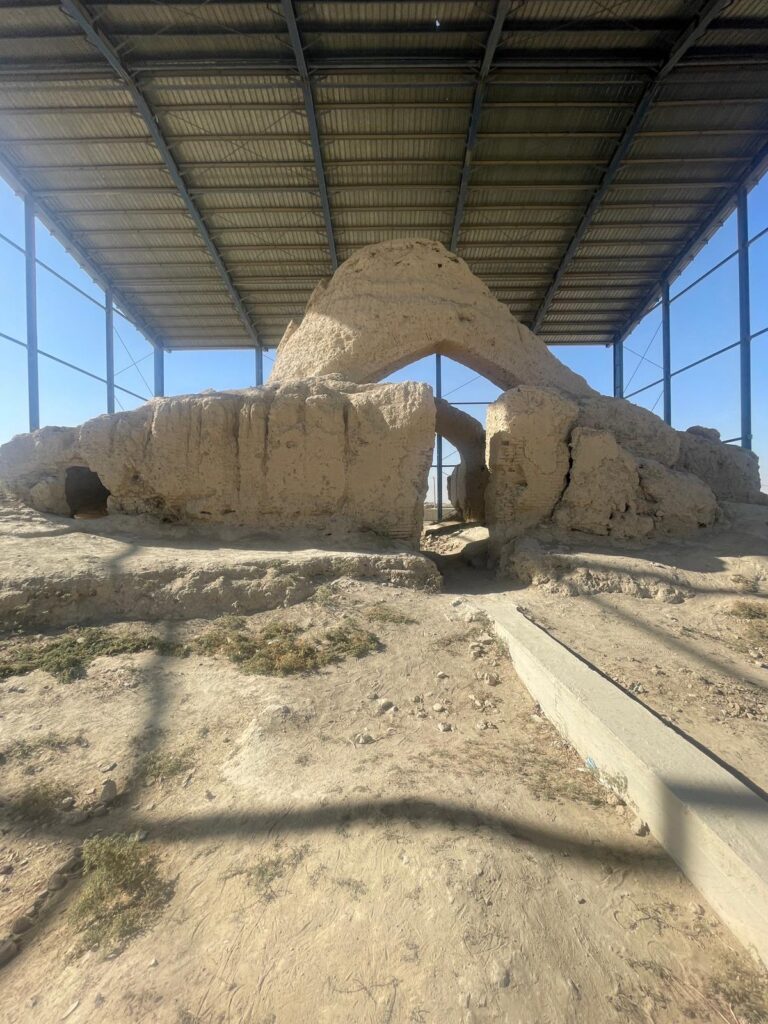
Balkh is a small town near Mazar-i-Sharif that’s fun to visit for a few hours. We saw the Timurid-style Green Mosque, walked through local markets, explored the ancient city walls which were built under Genghis Khan, and checked out the house of the poet Rumi whose legacy lives on several centuries after his death.
For Balkh you need a compulsory Taliban bodyguard to join you. We had a tour guide in Mazar who took us to the local police station where we picked up the bodyguard. It cost 600 afghanis (£7/US$9) to have him join us for a few hours.
Now there may well be other spots worth visiting in Afghanistan. However, this is a country where you should be cautious about going too far off the beaten path. ISIS do still have a presence (albeit a very small one these days), and the General Directorate of Intelligence (GDI) may be suspicious of foreigners in areas not known for tourist attractions.
Even the local Taliban may find it odd to see you in lesser-visited spots. And since the rules are applied on a whim at times, you would be best off sticking to the beaten path. Although to be fair, just by travelling in Afghanistan you’re heading “off the beaten path”.
Also, there are a ton of mines still littered around remote rural spots which can make them very dangerous.
The Best Things to do in Afghanistan
Afghanistan is a lot of fun, and you won’t get bored with all the unique and interesting activities on offer here. Let’s have a look at the highlights of this super cool country.
1) Experiencing the Chaos of Kabul
Kabul is one of the craziest cities in the world. The traffic is horrendous and at one point it took me two hours to take a taxi over a 20km distance.
The smells, the sounds, the sights… it gets a bit overwhelming at times. If you’ve been to New Delhi in India, that’s the city I would say Afghanistan’s capital is most similar to. It does have some cool sights, but for a real unique experience, you should explore some markets and immerse yourself in the culture and the chaos.

2) Check Out the Blue Mosque in Mazar-i-Sharif
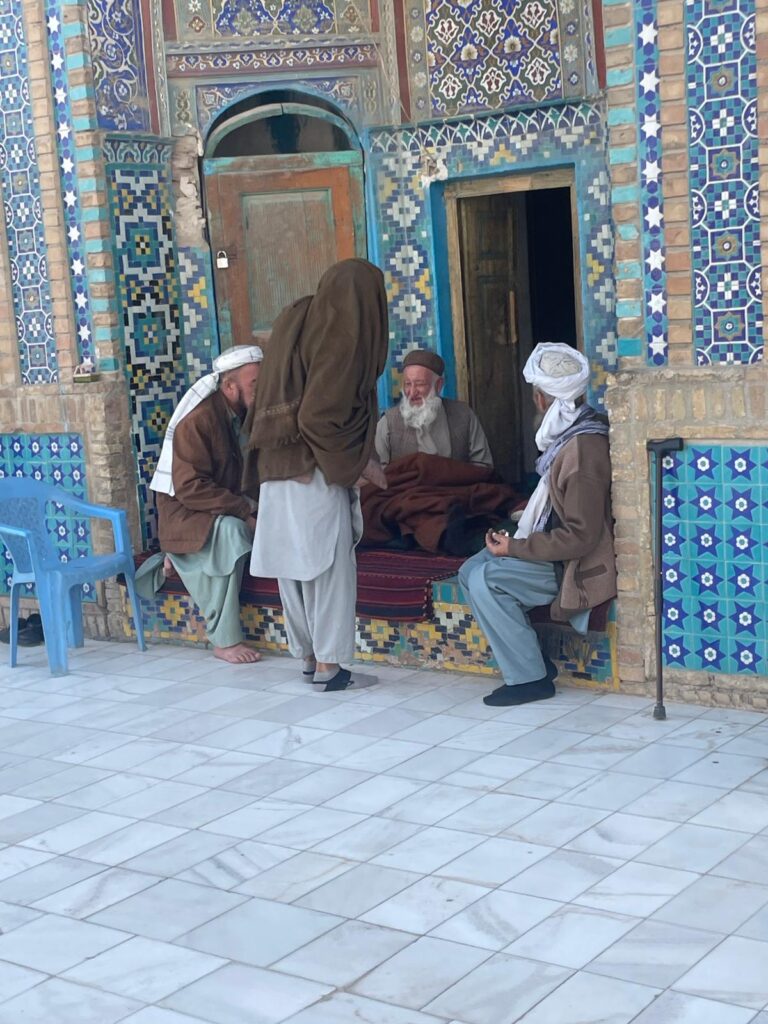
After a month in Uzbekistan, I thought I was blue-mosqued-out having seen so many across the ancient Silk Road cities. But no, the Blue Mosque in Mazar-i-Sharif was pretty special.
Without the hordes of selfie enthusiasts Uzbekistan attracts, it feels a lot more authentic here. Whilst non-Muslims can’t go inside the mosque, we were invited to have tea with locals in an office which was an equally cool experience.
3) Ride Swan Boats Across the Lake in Band-e-Amir
When the Taliban took control of Afghanistan in August 2021, viral images surfaced of Taliban members enjoying a relaxing holiday, cruising around a lake on swan-shaped boats with their guns and traditional clothing.
That took place at Band-e-Amir, and you can also ride a swan around the lake here. Just do so in the summer time if you want to see locals doing the same, Taliban or otherwise. I went in November and few people were there.
4) Hitchhike Through the Wakhan Corridor
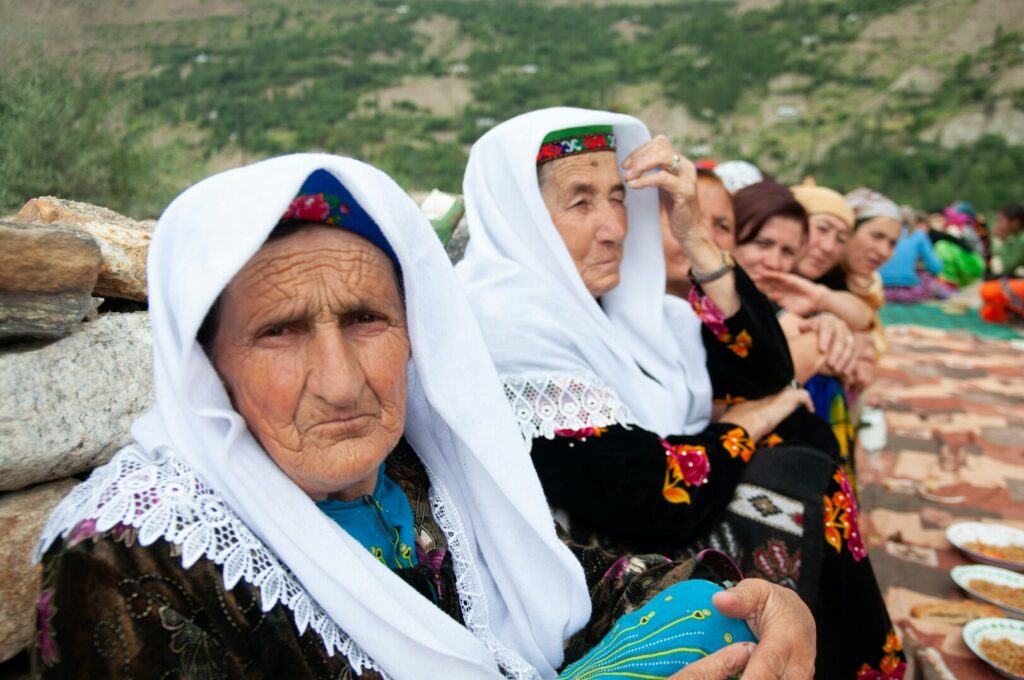
Technically you need a guide for this, but welcome to Afghanistan, the land of rules that are enforced at random. The Wakhan Corridor is home to amazing natural scenery and remote villages belonging to Tajik, Kyrgyz and Wakhi people.
The most adventurous tourists will stock up on supplies (don’t expect shops round here), and flag down vehicles to explore an otherwise-expensive region. Be aware however that few cars pass through, so you may be waiting a while.
5) Drink Tea With Locals
There are three guarantees in life: death, taxes, and being invited to drink tea with locals whilst travelling through Afghanistan. You don’t even need to try hard to seek out such an experience, it will eventually happen naturally for sure if you’re a male traveller. Unfortunately females will find local interactions harder to come by due to the patriarchal culture here, but it’s not unheard of for women travellers to have these experiences.
Interact with Afghans, and you’ll soon be sitting on the floor or a typically Central Asian tapchan sipping hot tea with them as they chat about life.

6) Try the National Dish: Kabuli Pilao
If you’ve travelled trough other Central Asian countries, you’ll be familiar with plov, a dish consisting of rice, meat and shredded carrots, sometimes with cooked raisins. And to be honest, I found it far too oily to be enjoyable.
Afghanistan has the upgraded version of plov. Kabuli pilao is effectively the same thing, but with far less oil and double the portion sizes. It’s great, and can be found in much of Afghanistan, although not so much in the Wakhan Corridor.
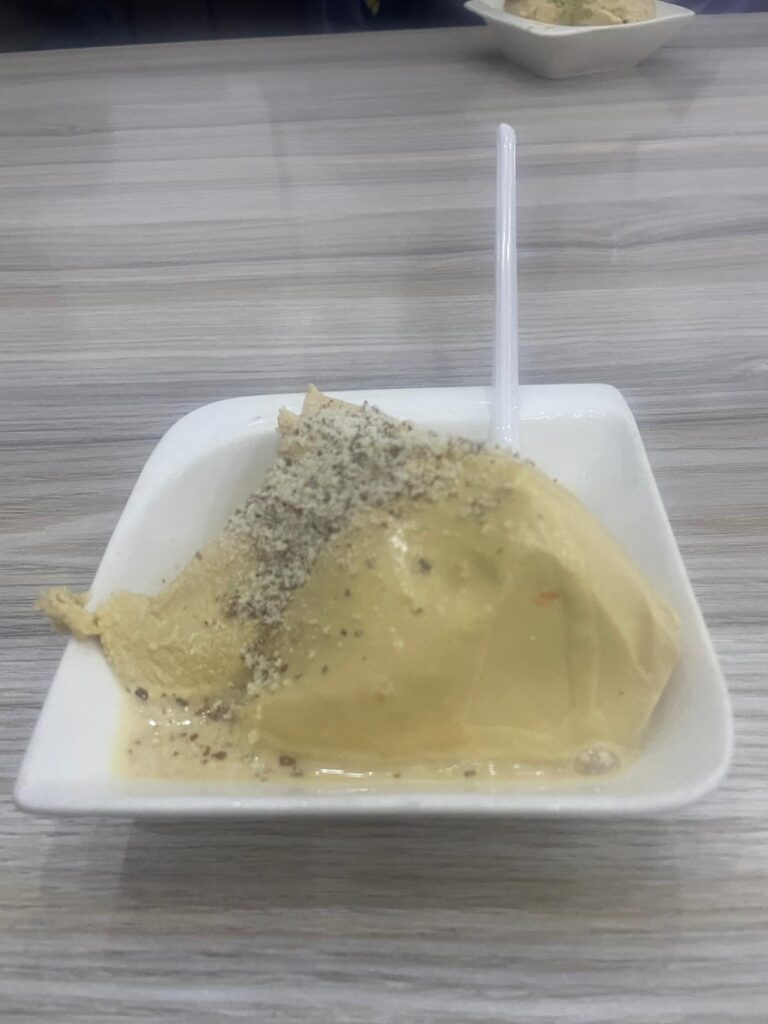
7) Experience Afghanistan’s Famous Sheer Yakh Ice Cream
When you think of famous ice cream countries, you probably think of Italy, not Afghanistan. But hey, the ice cream here is really good!
Sheer yakh has many different spellings, but it’s made predominantly of milk and sugar. And it’s delicious! The most famous can be found in Mazar-i-Sharif’s Haji Abdul Rahim Creamery, but you can find it in many places for 50-100 afghanis (roughly around the £1/US$2 mark).
8) Hang out With the Taliban
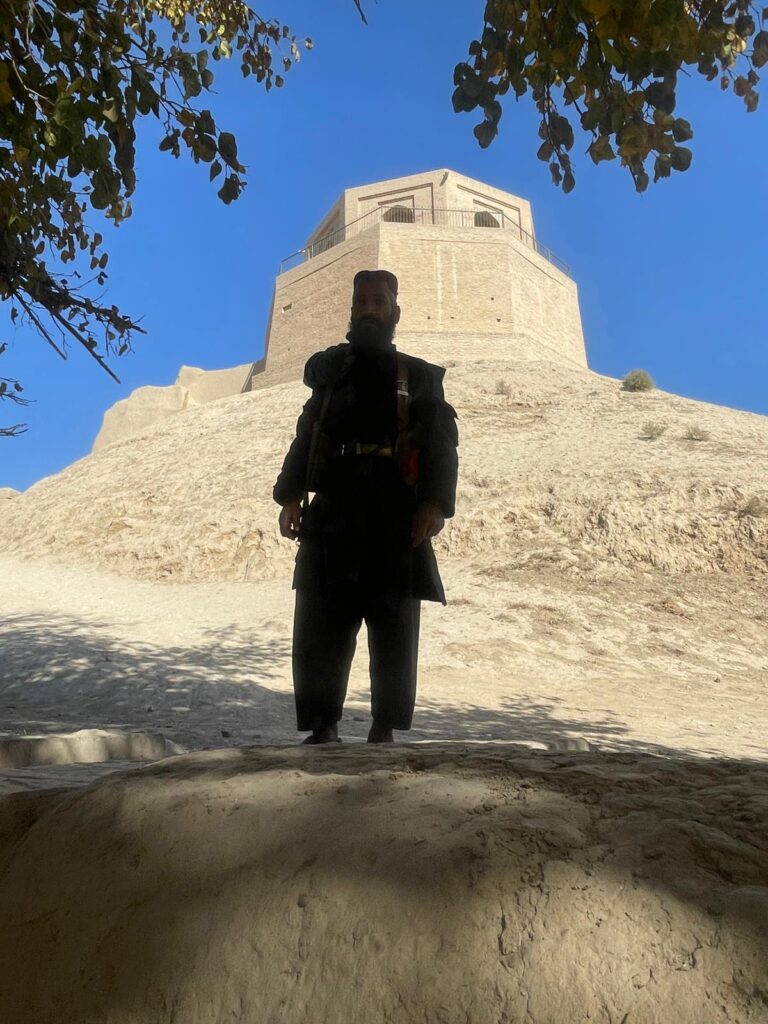
It’s weird how you probably grew up hearing about how the Taliban would do terrible things if you came into contact with them. Perhaps that once had some truth to it, but now they control the country and Taliban interactions are a unique cultural experience.
In some cases, such as when visiting Balkh, you’ll be assigned a Taliban bodyguard. We went for ice cream with ours, but you may also end up drinking tea with them. Most Taliban guys are genuinely very friendly, and they love seeing tourists, even if they may have an ulterior motive (wanting to look good to the outside world).
9) Attend a Buzkashi Game
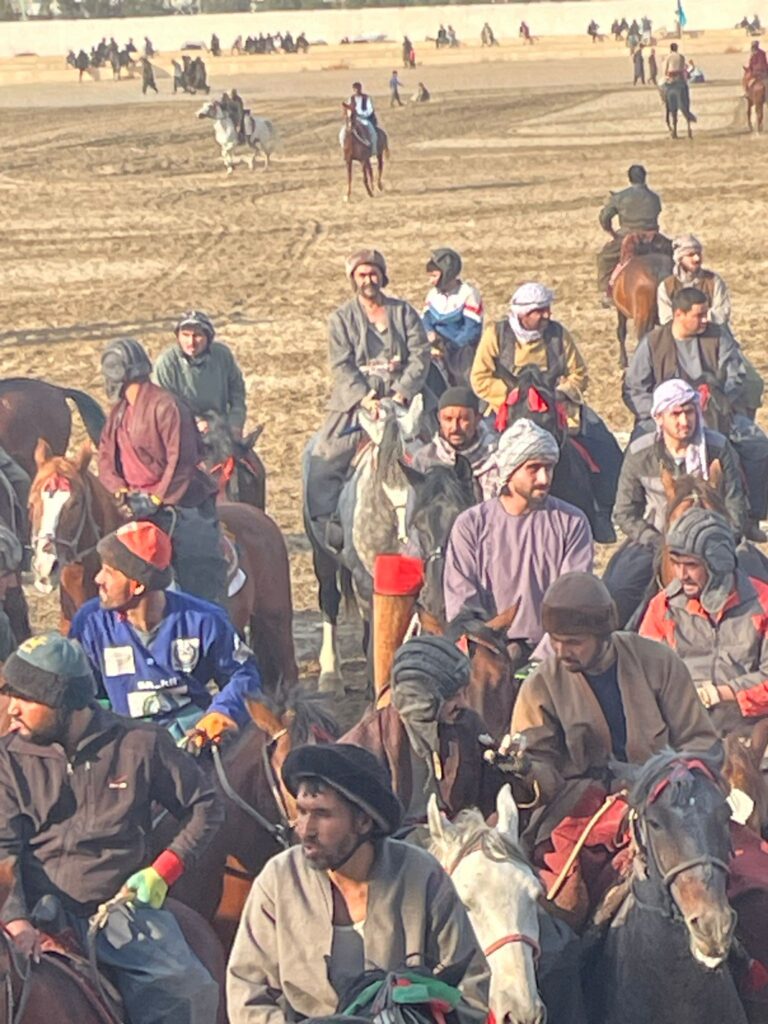
The national sport of Afghanistan is buzkashi, and it’s probably the most dangerous sport on the planet. Blokes on horseback will compete to grab a sack which they throw in a circle on the ground to score points and win money amidst a giant melee, as horses clash and riders whip with fury.
Mazar-i-Sharif is the best place to see this winter sport. You can watch a game for just 40 afghanis (£0.50/US$0.70) but don’t get too close to the pitch. Those horses are pretty brutal and even the locals told me it’s dangerous to be near them.
Permits And Tour Guides: Essentials of Travel in Afghanistan
The Taliban have recently changed the rules to make two things essential for travel in the country: permits and tour guides.
Permits will cost 1,000 afghanis (£12/US$16) for each province you plan to visit. In my experiences, I was asked several times for my permits, so checking these is enforced, and you absolutely need to get them soon after arriving in Afghanistan (if not the day you arrive, then certainly the next day). Although it’s important to note that permit offices are closed on Fridays.
Offices are generally open during usual “office hours”. Now the exact timings vary from province to province, and even then we’re talking about Afghanistan which means the rules are fluid and they may open or close earlier or later. I’d say you should arrive by 8:30am as a rough ballpark figure if you want to get there around opening time.
Tours are a little more of a grey area currently. Whilst it’s “compulsory” to have one, this rule isn’t enforced so strictly. At least not yet… Yet I have heard they’re stricter at enforcing this if you get your permits in Kabul.
I went to the permit office in Mazar-i-Sharif with a guy I met, and neither of us had a tour guide. However, we met another guy from our hotel who was there with his guide. The Taliban spoke limited English, but they may well have provided our permits thinking we were all with the same guide (and sure enough, we did travel to Balkh with him).
If you’re planning a spot of budget travel in Afghanistan, be aware of the fact that you may unexpectedly have to hire a guide, and he may cost as much as £192/US$250 a day (that’s by far the highest price point I’ve heard – at the lower end of the scale he will cost nearer £38/US$50 per day).
Our guide said at the end of the day that we didn’t need to pay anything, but we each tipped him £38/US$50 (£115/US$150 total).
How to Get Permits
To get permits, you must turn up at the permit office at whichever province you start your Afghanistan adventure in.
From there, you simply walk in and let the Taliban know what permits you require (tell them every province you plan to visit). You don’t need to book an appointment.
You will have to go to the bank, pay 1,000 afghanis for each permit, and go back to get them signed off by the Taliban. Do NOT lose them as you can get in a lot of trouble without them. Be sure to take a picture so you do at least have some sort of backup if needed.
Important note: Afghan tour issue permits now. Permits from the Ministry of Tourism may be invalid and not accepted by the Taliban. I know this is true for Kunduz at least, so you should get your visa stamped in Kunduz if entering via the Shir Khan border, but get your permits elsewhere.
Key permit office locations you should be aware of:
- Kabul
- Mazar-i-Sharif (Yes that links to a bank, that’s because the office shares premises with the bank)
- Bamyan
- Herat
How to Find Reliable Tour Guides
Be careful choosing a guide out there. You’ve got a lot of scammers floating around. I see it a lot in travel Facebook groups when someone posts about visiting a certain country, and ends up with a bunch of unsolicited guide offers. Most of these guys are unprofessional, low quality, will overcharge you, or a combination of all these factors.
Perhaps the most important verification factor is word of mouth from recent travellers. Just make sure that you study reports from other travellers to ensure they are who they say they are.
One of the most reputable organisations when it comes to Afghanistan travel tips and trustworthy guides is Afghanistan Travel Experience who have built up an excellent Facebook group and a WhatsApp community which the owner will give you access to if you appear to be a legitimate person joining out of a genuine interest in Afghanistan travel.
There are several credible guides out there. Here are some who come with good reputations based on the experiences of past tourists:
Now, I mostly travelled without a guide, but for the first day in Mazar-i-Sharif I teamed up with some guys and we had a great guide called Anas who can be contacted on WhatsApp with this number: +93700553044
Anas spoke fluent English, made it very easy to get all of our permits in Mazar, and sorted a half-day trip to Balkh that wouldn’t have been possible without a guide. I definitely recommend him!
Accommodation in Afghanistan
Previously you could stay in a shared room known as a chaikhana for up to £5/US$7 a night. These odd little sleeping spots double up as restaurants, and if you were willing to sacrifice a little comfort, they were an option for budget travellers in Afghanistan.
However, the days of chaikhana stays may be coming to an end. It was already said that the Taliban could come and check on you overnight in these places. Yet now, I’m hearing rumours that foreigners won’t be able to stay in these at all.
I’ve been informed that some people have been interrogated for hours by the Taliban at chaikhanas, so even on a budget, it’s not really an option I’d recommend. But I’m not your mother, so if you’re happy to take the risk, there’s a chance you could get away with it.
My top Afghanistan accommodation tip is specifically seeking out hotels with English-speaking staff. This is a tricky country to travel in and you need allies ASAP who can help you out of a sticky spot. My English-speaking guesthouse and hotel staff really came in handy when I was stuck with the Taliban and a language barrier in Bamyan’s permits office.
You can find such places for just under 1,000 (£12/US$16) afghanis a night in Kabul, and up to 2,500 (£30/US$40) elsewhere. They may not be the cheapest options, but the value you will get out of them is worth far more than saving a few dollars as a budget backpacker.
Unfortunately western booking sites have limited options in Afghanistan. The best way to find accommodation is through word of mouth. But the next-best is to search on Google Maps, find a place’s WhatsApp number, and message them.
Now, the quality of everywhere I stayed was okay. And no more than that, just okay. However the English-speaking staff made these places a very important part of my journey.
Don’t expect a lot of comfort and luxuries in Afghanistan. Even if you have a massive budget, not everywhere has high class hotels. This is an adventure destination and you should prioritise practicality above all else.
The Best Places to Stay in Afghanistan
Now as I alluded to above, the “best” places to stay in Afghanistan aren’t the ones with fancy gyms, all-you-can-eat buffets, and luxurious swimming pools which you may associate with “best” accommodation options in many circumstances. In fact, some of these are pretty dated, and in the case of where I stayed in Bamyan, it was cold and had dim lightning.
The best places to stay are those that have English-speaking staff and half-decent Wi-Fi. I say half-decent because to be honest, the internet is poor across much of Afghanistan, and a connection that works for much of the time should be the bare minimum.
Here are Afghanistan’s top places to stay:
Mazar-i-Sharif: Rahat Hotel
How to Book: On Booking or via WhatsApp (I got better rates here when booking online)
WhatsApp: +93797111100
Location: A 10-minute walk east of the Blue Mosque
Cost: Over 2,000 afghanis (£24/US$31) per night
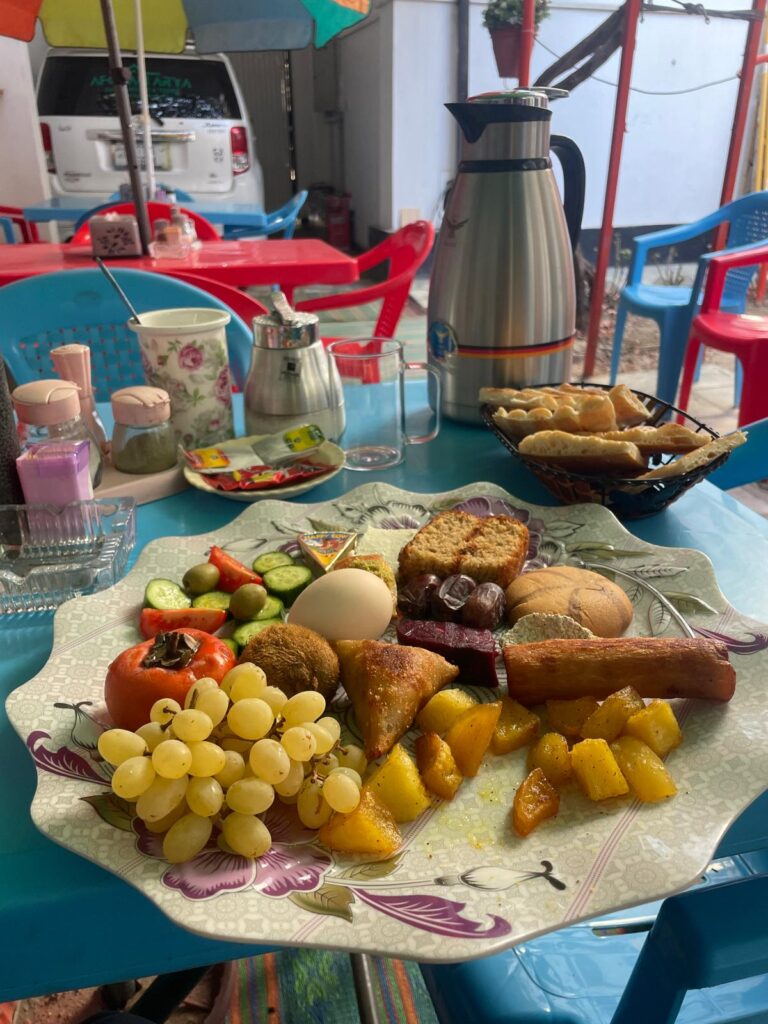
Overview: A fantastic place to stay. They have 24-hour access with a guard there for security purposes (send your passport ahead of time if arriving late so they can verify your identity and let you in). The breakfast consists of fried eggs or an omelette alongside an apple, grapes, bread and a few smaller things. Oh, and tea of course, we’re talking Afghanistan here!
The staff are incredibly helpful. The manager speaks great English and even let me check in at 5am when my night bus arrived back from Kabul at that time. Now that’s incredible hospitality, and something I massively appreciated as hanging around alone at night in Afghanistan with my valuables was not a situation I wanted to be in…
On the downside, the Wi-Fi is inconsistent. Staff had to play with my settings to activate the Wi-Fi on my phone, it’s not as simple as just typing in the password, they’ve got some funny setting in place which means you can’t access it the normal way. Also, the cost is a little high, but no big deal compared to the value you receive.
Kabul: Afghan Arya Guesthouse
How to Book: On Booking or via WhatsApp
WhatsApp: +93798708035
Location: A block away from Shahr-e Naw Park in Central Kabul
Cost: 850 afghanis (£10/US$13) per night for a hostel bed
Overview: I stayed here when I arrived in Kabul, the owner was awake at 5am to greet me after I’d told him my estimated arrival time in advance. He spoke great English, was very friendly, and gave me a lot of help during my stay in Afghanistan. I even called him whilst having some language barrier issues at the permit office in Bamyan, and he helped there too.
The breakfast here is great. They give you a platter with all sorts ranging from potatoes, cucumbers, fruit, bread and cheese to cake, baklava and a biscuit. They even gave me orange juice on top of the obligatory Afghan tea.
The accommodation is basic, and it gets pretty cold in winter, even with a heater in the room overnight. The bathroom isn’t the cleanest, but it’s not horrendous either.
Overall I’d call this place a net positive if you’re looking for a decent spot to stay in.
Kabul: Afghania Guest House
How to Book: On Booking
WhatsApp: N/A
Location: Just across the road from the Turkish embassy
Cost: Upwards of 900 afghanis (£11/US$14)
Overview: I didn’t stay here myself, but met people who did and heard positive things about it.
The staff are very welcoming and there’s tight security on the door to get into the property. It’s also well-located near good restaurants and supermarkets (it’s not far from Afghan Arya Guesthouse).
I’ve heard mixed reports on the Wi-Fi. Some say it’s great, others say it has issues with cutting out. I’ve also heard mixed reports on the cleanliness of the place.
From what I do know however, people who stay here give it a big thumbs up and say it’s worth it.
Bamyan: Noor Band Qala Hotel
How to Book: On WhatsApp
WhatsApp: +9377107854
Location: Just north of the main high street across the river, not far from the Buddhas
Cost: 1,500 afghanis (£18/US$24) per night
Overview: This is one of two places I was recommended in Bamyan, and ultimately where I stayed.
I won’t lie, it’s not fantastic. The room was freezing cold, and only warmed up for a few hours at night when staff came to light the stove. The room light was very dim, and the bathroom light flickered constantly.
Breakfast is included, but I missed out on it because I didn’t realise that on my first morning, and had to leave early on my second.
So why recommend this place? Once again, it’s all about the staff. The English-speaking receptionist helped me arrange a driver to Band-e-Amir National Park for the day for 2,000 afghanis (£24/US$31). He also helped solve some problems I had in the permit office.
The location is very close to the main high street, and only around 10 minutes from the Buddhas of Bamyan.
You won’t get a luxury experience here, but you will get a useful ally who can help you arrange things and solve problems.
Bamyan: Roof of Bamyan
How to Book: On WhatsApp
WhatsApp: +93777982200
Location: West of Bamyan, a little out the way of the city centre
Cost: 1,500 afghanis (£18/US$24) per night
Overview: This is the other Bamyan recommendation I was given. I decided not to stay here because it’s located a fair bit out the way.
I’ve seen videos however, and the views from the rooftop are breathtaking. A simple breakfast is included.
It does have pretty basic rooms, but the main selling point here is the views from the roof, hence the name!
Kandahar: Continental Guesthouse
How to Book: Via email: [email protected] (they’re unresponsive however, you may just have to turn up)
WhatsApp: +93700302613 (again, they’re unresponsive here)
Location: Not close to any attractions
Cost: 900 afghanis (£11/US$14) per night
Overview: This is the pick of accommodation options within the Taliban’s heartlands. As with any good place to stay in Afghanistan, they’re big on security here, so you’ll need to go through some checks at the entrance before coming in.
Cleanliness is also a big plus point here, as are the friendly staff who will make you feel at home.
There’s a nice courtyard outside too, where you can relax for a bit whilst planning the rest of your days in Kandahar and beyond.
The only real downside is that the Wi-Fi is patchy at times. To be honest, that’s a country-wide problem so it may be harsh to hold it against the hotel.
Herat: Herat Star Hotel
How to Book: On Booking or WhatsApp
WhatsApp: +93799600288
Location: Just north of Herat Central Blue Mosque
Cost: 2,600 afghanis (£31/US$40) per night
Overview: Herat Star Hotel is typical of any good accommodation in Afghanistan: they have decent security and very welcoming staff. They’ll go out of their way to help you with any permit issues, arranging things to do, and sorting out transport to your next destination.
It’s also located close to the both the Blue Mosque and nearby markets, which makes it a convenient place to stay in.
It gets a little hot in the daytime, but that’s just about the biggest downside of staying here.
Afghanistan Travel Costs
Is Afghanistan a cheap country to travel in? Unfortunately not. Things have changed a lot in recent weeks. The recent introduction of mandatory guides and permits, plus the visa not being particularly budget-friendly, plus accommodation costs make Afghanistan expensive to travel in.
Whilst you may be able to have a guide just for getting the permits and spending the first day with him (or her, there are female guides in Afghanistan), rules generally tend to become gradually stricter across the country, and you may be forced to have someone accompany you for your entire trip.
Local transport and meals are pretty cheap. But at the end of the day, this is easily the second-most expensive country in Central Asia (behind Turkmenistan that requires a mandatory ~$700+ tour to visit).
Here’s a table of expected average daily costs in Afghanistan with all prices in US dollars. There will be some variations based on your travel style. Fast travellers will maybe spend 2 days per province, whereas a more slow-paced trip may see you spend weeks in each province, which significantly alters the average daily cost of permits for example.
| Expense | Afghanistan on a Budget | Expensive Afghan Adventure |
|---|---|---|
| Accommodation | $15-$25 | $25-$50+ |
| Food and Drink | $5 | $10-$20 |
| Inner-City Transport | $2-$8 (shared and private taxis) | $8-$15 (private taxis) |
| Long Distance Overland Transport | $5-$10 (buses and minivans) | $50+ (private vehicles) |
| Flights | N/A | $28+ (around $80 per flight) |
| Activities | Free-$10+ | Free-unlimited |
| SIM Cards | $1 or less | $1 or perhaps slightly more |
| Permits | $4 | $4 |
| Tour Guides | Free-$50+ (free if you can travel without a guide – this may become impossible going forwards) | $50-$250 |
| Overall Daily Spend | $32-$113+ | $176-$418+ |
Managing Money in Afghanistan
Afghanistan isn’t the easiest country to manage money in. Access to funds can be limited, which means you should have enough cash to ensure you don’t run out of money.
ATMs are hard to find, don’t always accept foreign cards, and charge high withdrawal fees. It’s not impossible to find ATMs in the bigger cities. Kabul is the easiest place to find them, and Mazar-i-Sharif has them too. However more rural areas won’t have any, and even if you do find one that works, expect to pay around 8% in fees.
USD dollars are the best currency to exchange. As with most countries, US dollars are the currency Afghans are most interested in exchanging for afghanis, which means you’ll get fairer rates for them, usually just below the official exchange rate. I tried exchanging Uzbek som and was quoted rates 25% lower than the real rate, so stick to USD here.
Smaller bills are exchanged at lower rates. I hate this, but it’s a thing all across Afghanistan. With an official rate of 66 afghanis per $1 I was offered 65:1 for my $100 bills. However, I was then given rates of 62:1 for $20 and $50 bills. No one was willing to accept my $5 or $10 bills at all. Bring $100 bills only to get the best rates.
Old and damaged bills may be rejected. One of my bills was rejected because it has the tiniest tear at the top. This seems pretty ridiculous when you see the state of afghanis which are often covered in tears and creases, with some notes held together with sellotape… I had another bill rejected because of a small mark on it. Bring fresh notes.
Other currencies may be accepted, but don’t rely on them. I did find money exchangers with euros and Turkish lira alongside their US dollars and afghanis, but this isn’t always the case. You should bring dollars, and if you get a good rate for any other currency, consider that a bonus.
Moneygram may provide a last resort option. I’ve not used it myself, but have heard reports of people being able to send money to Afghanistan via Moneygram. If all else fails, keep this in mind as an option.
You cannot take more than $500 out of the country overland. It seems silly, but this is a rule, and they do check. The good news is that they don’t do a thorough check and will generally look in places where money can be expected to be found (they looked closely through my wallet when heading across the Hairatan border to Uzbekistan). I have a folder full of documents such as passport scans and tickets, plus souvenirs including maps. I hid $200 in here and it was easy to hide amongst the other papers without being discovered.
Please note that if authorities do discover more than US$500 on you when leaving overland, they may seize it. I have heard reports of them letting you exchange money (at dreadful rates), but this makes little logical sense as the rule is that you cannot have more than $500 in any currency when you leave.
You cannot fly out of the country with over $5,000. If you’re flying from Kabul, the amount of money you’re allowed to take out is much more generous. It’s unlikely you’ll travel with such a high amount, but be prepared to hide some cash if you do have more than this.

When is the Best Time to Visit Afghanistan?
The best time for an Afghanistan trip is in the autumn, generally from September-November. The summers can be scorching hot, the winters freezing cold, and the spring months often bring flooding which causes a lot of issues across the country.
There are slight variations depending on the locations you visit, and the activities you want to experience.
The Wakhan Corridor has the narrowest window to visit, with June-September providing the best hiking opportunities here. The corridor has some of the coldest temperatures in the country, especially at higher elevations, so it needs to be tackled in the summer before snow makes some parts inaccessible. Unlike elsewhere in Afghanistan, the Wakhan Corridor doesn’t get particularly hot in the summer.
Bamyan is more mountainous and prone to cooler conditions than most other tourist hotspots. I went here in November and the temperatures dipped as low as -7°C (19.4°F). During the day it wasn’t too bad, but overnight and early in the morning Bamyan is freezing. Especially since hotels here put a stove on for a few hours. Don’t expect heating all-night-long.
Bamyan is pleasant during the summer, and is best visited between April and October to see regular sites such as the Buddhas, and perhaps stick a Band-e-Amir day trip in there. However, it is also an unlikely ski destination between December and March when snow covers the slopes and Afghanistan becomes a surprise place to hit the powder. Don’t expect the sorts of facilities you may find in the alps though, this is truly an adventurer’s playground.
Now one of my absolute highlights of travel in Afghanistan was watching buzkashi. This brutal winter sport is played on horseback from November until around March time. The “buzkashi capital” is Mazar-i-Sharif where you can watch games every Friday during the season from around 2pm (the game I went to started at around 2:53pm instead…). The Buzkashi ground is just south of the city, conveniently named “buzkashi ground” on Google Maps.
What to Bring to Afghanistan
Afghanistan is a rugged country with endless dust roads, poor sanitation and limited facilities. You’ve got to come prepared out here. Here are the most useful items I had during my trip:
- Toilet roll – Many toilets are holes in the ground, and they may not have any roll available. As a westerner it can be kinda tricky to clean up if you aren’t familiar with the local methods, and your stomach may struggle with Afghan conditions. Loo roll is an essential here.
- Hand sanitiser – Soap is a luxury here, and eating with your hands is common, I had to do it alongside 100+ Afghans when we stopped for lunch on the night bus from Kabul to Mazar. A good hand spray will eradicate much of the bacteria and filth you’ll pick up along the way.
- Filtered water bottle – An essential travel item outside the western world. Many people would be horrified if I said I drank tap water in Afghanistan. Fortunately my trusty Water-to-Go bottle makes it safe to do. This isn’t an ad, there are other brands available, I just mention them as I’ve never had problems using their bottles since January 2019.
- Portable charger – You’ll probably experience electrical blackouts in Afghanistan. As an iPhone user, I know the frustrations of my battery going from 100 to 0 at speeds Usain Bolt would be proud of, and having a reliable portable charger ensured I had enough juice to last for day trips and night buses.
- Wet wipes – Afghan dust will get everywhere, trust me on that one. Wipes were much needed to clean my jacket up after several dirty journeys. I also used them on my phone which picked up a fair bit of dirt here too. If you’ve travelled around Kyrgyzstan by marshrutka across the dusty roads, that would be the closest point of comparison.
- Bag covers – I often cover my backpacks with waterproof covers. In Afghanistan, they had a different use. I was able to protect my bags from the dust, and could easily wash the cover when needed. Very useful.
- Not your best clothes – Once again, we’re talking dust here. Your Louis Vuitton t-shirt (do they do t-shirts? I have zero fashion knowledge) will get absolutely filthy (at best) here. It may even get ripped if the street kids become a little too aggressive. Dress for an adventure, not a holiday. My hiking trousers didn’t last a week here.
How to Stay Safe in Afghanistan
I’ve got some good news. Afghanistan is no longer the no-go zone it was in the recent past. The Taliban have cracked down HARD on crime. They even destroyed all the poppy fields that led to addiction problems across the country, and contributed to a lot of crime. The farmers aren’t happy as they earned a lot more from opium than cotton, but that’s a small price to pay for safety.
Terrorism is the big word associated with Afghanistan. Fortunately it’s been heavily contained. ISIS have mostly been pinned down south of Highway 8, which connects Jalalabad with the Torkham border between Afghanistan and Pakistan.
There was one deadly attack on tourists in May 2024 unfortunately. A group were attacked in Bamyan. However, this is the only recent attack to report on. Afghanistan is the safest it has been in decades, since before the Soviet invasion of the late 1970s. But it’s still not 100% “safe safe”.
Traffic is the biggest danger you will face in Afghanistan. The roads are completely lawless with all sorts of vehicles ranging from giant lorries to men pulling carts weaving in and out of each other illogically. I was almost involved in an accident 20 minutes after entering the country, as our taxi driver swerved between oncoming traffic and a lorry whilst overtaking at a point where any western driving examiner would’ve failed him in an instant.
I survived that near miss, but had to spend the rest of my trip carefully dodging traffic. When crossing roads, I’d often wait for a local, and mirror their movements. These guys are the experts after many years mastering how to handle the madness!
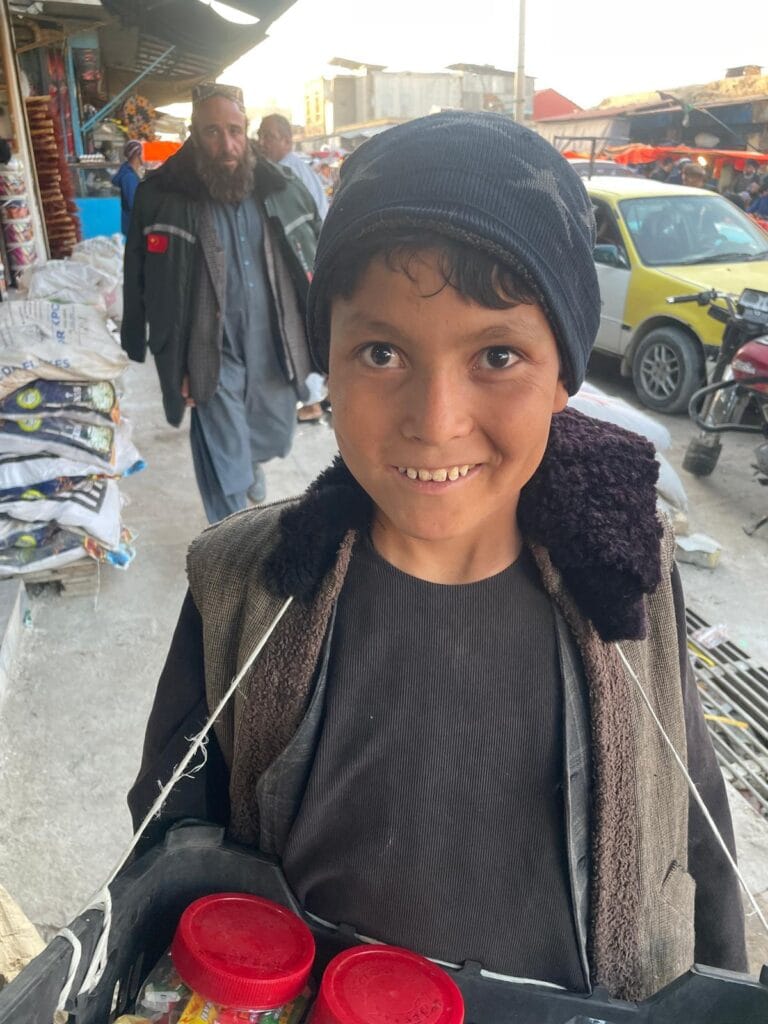
The other threat in Afghanistan is street children. The country has a problem with orphan kids living on the streets. You can often spot them by their filthy (often ripped) clothing, hands blackened with dirt, and the fact they tend to hang around in groups.
Street children are a problem because they see foreigners and think “money”. Add this to the fact they behave quite aggressively, and situations can escalate quickly.
When three of us tall white guys walked through the markets of Mazar-i-Sharif with our guide, kids were excited to see us. Many were harmless and just happy to see strange-looking foreign blokes walking around, but some tried to take things too far.
Unfortunately, the good kids made a little too much noise and attracted the attention of the bad kids including one shaven-headed teenager who kept attempting to grab us. We had to shake him off and move quickly to get away. The problem with street children is that they can surround you quickly and overwhelm you with numbers in the chaos, so you need to keep a close eye on your valuables and not stop for too long if you encounter them.
I’ve heard a few horror stories of foreigners getting caught up with these kids, and situations escalate fast. Move quickly to dodge them.
Afghanistan is the only country I’ve ever been to where the children pose a bigger threat to your safety than the adults.
On a similar note, don’t give to beggars. Many of them will be the same street children you meet in crowded places, and by giving them money you help them associate “foreigner” with “money”. This causes problems for future tourists who will be targeted more aggressively (and believe me, these kids can be aggressive).
It also teaches the children that begging is a viable lifestyle choice, which reduces their chances of going down an honest path as they grow up, and keeps them locked into a cycle of extreme poverty. Don’t do it guys.
We even had a kid hanging onto the windows of our moving car to get money. It gets pretty intense out here.
Also, be aware that rabies is an issue in Afghanistan, especially outside of Kabul. Don’t touch any dogs you see out there. If you’re bitten, then this is a country with poor healthcare, and no facilities at all in more rural areas, so it’s important to stay well clear. Dogs cause 99% of global rabies cases, and should be considered a safety hazard here.
Lastly, you should make local contacts. I can’t stress how valuable it is to have English-speaking allies in this country. They give you up-to-date information on permits, bus schedules, important rules you may not know about, and can translate if you run into problems with the Taliban.

Rules You Must Follow in Afghanistan
Now, no government (except Russia) recognises the Taliban as the official Afghan government. And many western governments advise against all travel here, partly because of outdated ideas on how “dangerous” it is, but partly because they can’t help you if things go wrong and you end up in trouble with the Taliban for whatever reason.
Therefore you should really follow the rules here and treat the Taliban with the utmost respect, regardless of any views you may have on how they run things.
Here are important rules you need to know before travelling in Afghanistan:
- You must obtain permits for every province you plan to visit. They cost 1,000 afghanis (£12/US$16) each and can be obtained from Afghan Tour offices. They used to be issued by government ministries for free, that’s no longer the case. If you do obtain permits from ministries, they may not be valid (although rules aren’t always enforced). Permits aren’t needed for passing through provinces, only if you intend to explore them.
- You must have a tour guide at all times. This rule is enforced loosely right now, and I didn’t have one apart from the first day. However, you should prepare for the fact you may not be able to travel without a guide. Kabul is where the rules are most strictly enforced, other regions are currently more lenient on this.
- Carry your passport and permit at all times. They will be checked. A lot. And you’re in big trouble if you can’t provide them without a good excuse. I was asked generally at activity stops (Band-e-Amir National Park, Mazar’s Blue Mosque etc.) and roadside checkpoints, but never when walking around the cities on my own.
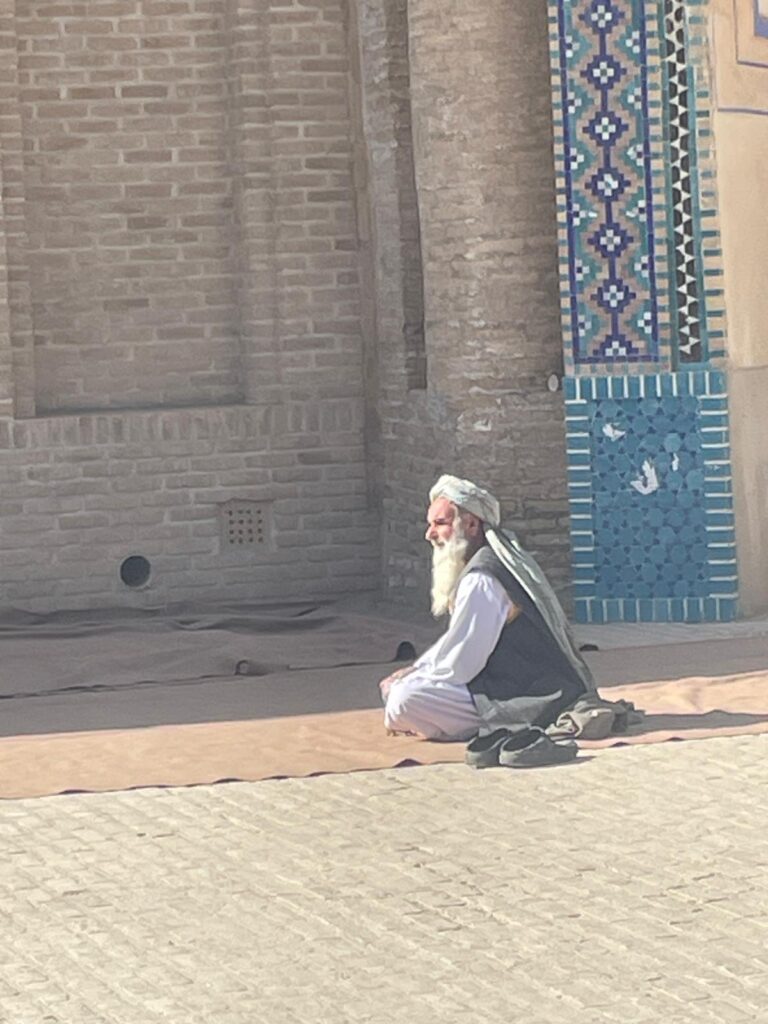
- You cannot enter mosques if you are non-Muslim. This is prohibited across the country (although there is one exception in Kabul). The Taliban are pretty angry with foreign tourists who have disrespected the rules and gone inside mosques without permission. Don’t be that guy or girl who flouts the rules to get that selfie for social media.
- You cannot stay with locals. That includes Couchsurfing. Local families can get in a lot of trouble for hosting you, so don’t put them at risk. From what I’ve heard, Airbnb is allowed. I don’t have first-hand experience of using it in Afghanistan however, so I can’t be 100% certain of that, but I’ve heard of people using it without problems.
- There are strict photography rules. This requires a whole section to explain, so let’s do that next…
Photography Rules in Afghanistan
You aren’t free to take pictures of what you want in Afghanistan. You can get in a lot of trouble if you snap the wrong things. I was told of a guy who had his phone thoroughly checked and was held by the Taliban for over 7 hours. They found a picture of a woman on his phone and really gave him a hard time over that.
I never had my phone checked, and it seems that you won’t if you aren’t caught snapping pictures in suspicious areas. Here are the rules to be aware of so you don’t get in trouble.
- No photos of women or girls. This rule applies mostly to men, it’s a little more lax for female travellers. In rare cases, you may be able to take pictures with permission, but male travellers are unlikely to have any contact with female locals. Our guide in Mazar told us strictly no photos of women.
- No photos of people or buildings related to the police, military or government. This rule is pretty black-and-white. Don’t do it. Ask if you aren’t sure if a place is okay to snap. Avoid taking pictures of anyone in uniform who looks like an official, including those directing traffic who you will often see in the big cities. Checkpoints also fall into this category.
- Don’t take pictures of the Taliban without permission. Our guide said that the Taliban can be identified as the people holding guns. But not all Taliban members have visible guns, so it can be more subtle to spot them in some cases. Some are very friendly and may welcome pictures, but be sure to ask first.
- Delete inappropriate content before entering the country. Some things can get you in trouble if your phone is searched. I’ve heard of people even having their hidden and deleted folders searched, so you should remove anything overly “haram” before you enter the country. “Adult content” could cause big problems if found. If you’re really cautious, then images of alcohol/drunkenness and people in swimwear (especially women) should go too.
What Should You Wear in Afghanistan?
Afghanistan is probably THE strictest country in the world when it comes to clothing nowadays, especially since Saudi Arabia have relaxed their dress code in recent years.
As with much of Afghan society, men have a few more freedoms than women here. Here’s a guide on what both genders should wear in Afghanistan:
What Men Should Wear in Afghanistan
Western clothing is fine, but you should cover your shoulders and knees as a bare minimum. Whilst t-shirts and shorts are technically allowed, they aren’t really culturally appropriate clothing. I recommend trousers and any sort of shirt with long sleeves.
If you do want to dress as a local, it’s easy to buy a shalwar kameez, a long tunic with loose trousers, for around US$15.
Unless you have an appearance similar to Afghan men, you’ll stand out regardless of what you wear, so there’s little benefit to wearing local clothing. I have heard the Taliban sometimes appreciate it if you do put on a shalwar kameez however.
What Women Should Wear in Afghanistan
The big difference between men and women is that women must cover their hair. At most, women should be showing nothing more than their faces and hands.
Many western women opt for an abaya, which is the most liberal type of clothing you can wear here, covering the hair and everything below the neck (except for hands).
Another option is the niqab which covers everything except the eyes, whereas the most conservative option is the burka which covers the entire body leaving just a mesh covering to see through.
Most Afghan women will wear dark colours, and many have dark blue burkas. However, you’re allowed to wear brighter colours. It’s up to you depending on how much you want to stand out though. A dark blue burka will make it very easy to pass as a local women, but you may have issues if spotted out and about without a male guardian, whereas a colourful abaya will draw more attention towards you.
Get Insured For Travel in Afghanistan
Now, with most western governments classifying Afghanistan as a strict “do not travel” destination, the majority of travel insurance packages are invalid here.
Fortunately, SafetyWing covers Afghanistan and will cover your back in the event that something goes wrong. What makes it so great is that they are specialist insurers for nomads at the best of times, even before you take into account the fact they cover most countries other providers wouldn’t touch. Insurance is essential just in case something goes wrong here.
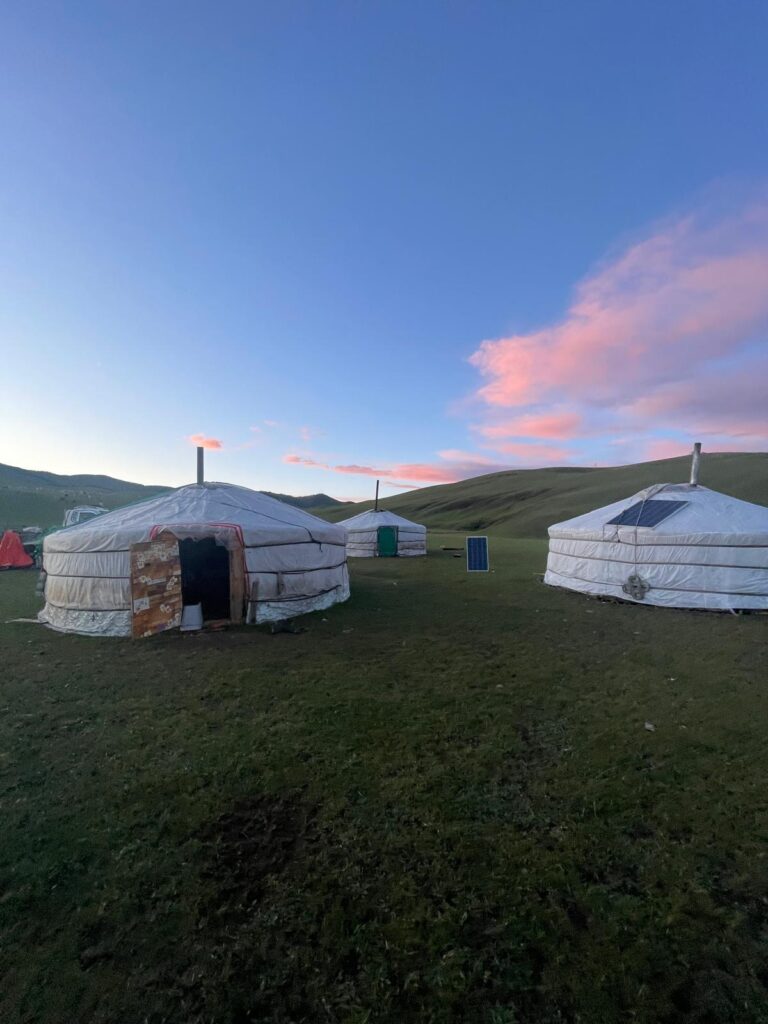
SafetyWing Insurance
Don’t risk being left with a possible $100,000+ bill if something goes wrong on your travels.
Click on the link below to avoid a stressful trip, protect yourself, and know that you will be covered in emergency situations.
What is The Internet Like Here?
Wanna get some remote work done in Afghanistan? I have bad news for you guys, the internet sucks here. And that’s true across the country on both Wi-Fi and mobile data.
In Mazar-i-Sharif and Bamyan I had a 3G data signal, but that was it. Kabul was the only place where I had LTE.
In most areas outside the cities, you’ll mostly have no connection at all.
You can get an eSIM, but they’re pretty patchy. I normally vouch for Airalo, yet I heard multiple bad reviews for them in Afghanistan.
Instead I opted for a DENT eSIM. They offered cheap data packages lasting up to a year and working in 150 different countries. If I’m honest, they were hit and miss.
To start with, I couldn’t activate the eSIM, and had to wait almost a day before it worked. Then when it did work, I had internet from the moment we crossed into Afghanistan, and again when we made it to Mazar, which was incredibly useful.
However, after 9 days my 30-day package just randomly stopped working. I wrongly thought I ran out of data and bought more, but that didn’t work either. I tried deleting the eSIM and eventually got a refund for the new package, but even two weeks on I’m having a lot of problems with my phone thanks to the eSIM. Maybe my phone is the problem rather than DENT, but it’s hard for me to recommend them on this basis.
In terms of physical SIM cards, Afghan Wireless (AWCC) is the one I’ve been told works best. Etisalat is an okay backup option, and Roshan SIMs are known for being terrible.
Expect to pay around 650 afghanis (£8/US$10) for 10GB of data with AWCC. That’s more than enough considering the fact it will barely work outside of the cities, unless of course you watch a lot of YouTube.
Now, you should definitely use a VPN for security in Afghanistan. Surprisingly, I never came across any blocked websites so it wasn’t like China or Turkmenistan where a VPN is necessary to skirt around a ban. But I wouldn’t advise browsing without one. I use Proton VPN which has always done the job for me, so that would be my experience-based recommendation.
Oh, and at one point in 2025 the Taliban shut down the entire internet across the country. This isn’t something that happens regularly, but be aware that they may just decide to cut internet access across the country without warning.
How to Visit Afghanistan
Afghanistan has borders with 6 countries, but they aren’t all viable options. And of course, you can fly in too. The most common route into the country is by flying into capital city Kabul, with Istanbul and Dubai the most likely entry points for many visitors.
Of the 6 neighbouring countries, the China border into the Wakhan Corridor is closed and that won’t change any time soon, so you can forget that one.
Turkmenistan often rejects visa applications if you plan to exit into or enter from Afghanistan. It’s a country with tight entry restrictions anyway, so that’s also not a viable option, although I have been told of a handful of foreign tourists having success coming from here. Therefore it’s possible, but risky.
The Iran borders are open, but Iran is a tricky country to visit if you’re from the USA or UK, so this is a less common route in for western tourists. However you can go from Mashhad to Herat overland via the Islam Qala/Taybad border. A shared taxi from the border to Herat costs 250 afghanis (£3/US$4). You can also take the southern route across the Milak/Zaranj border.
The Pakistan borders are closed. There has been recent conflict between Afghanistan and Pakistan, and there’s nothing to suggest a reopening is imminent any time soon. If the borders do reopen, the Torkham border between Kabul and Peshawar is how many tourists travel, however it’s not a recommended route due to intense chaos, very long queues and the fact a lot of people are shoved around a lot in the melee here. I’ve also heard that phone searches (photos and WhatsApp history) are more common at the Torkham border.
The Shir Khan border from Tajikistan is open. It’s the only border where you can obtain a visa on arrival, although only from Saturday (all day) to Thursday morning. Don’t cross on Thursday afternoon or Friday if you don’t already have a visa.
However it’s notoriously chaotic regardless, and you will probably have to spend your first night in the unexciting city of Kunduz, if you aren’t stranded at the border by nightfall. Plus you need an additional stamp in Kunduz anyway. Important: women cannot cross without a male companion. The border also closes from 12pm-2pm for lunch.
All other Tajikistan border crossings are closed for foreigners.
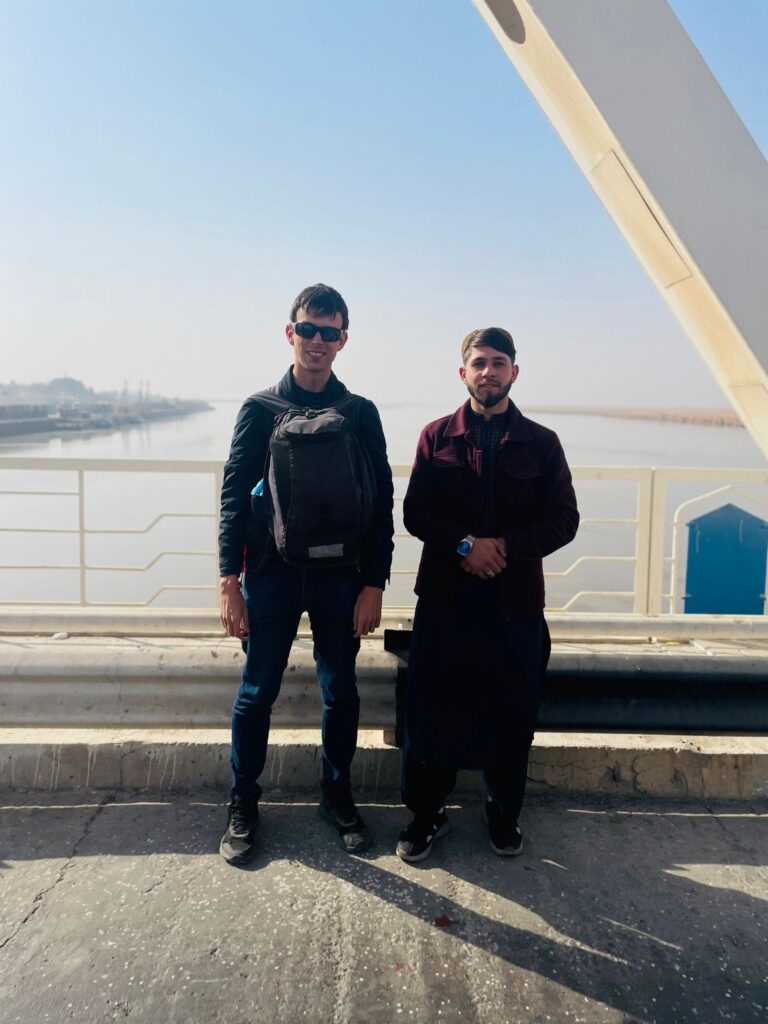
The Hairatan border from Termez in Uzbekistan is open, and is the best place to enter Afghanistan overland. It’s calm, it’s pretty easy, there aren’t too many people around, and it doesn’t take too long. I crossed this border both ways. On the way back to Uzbekistan, my bags were fully checked (every item searched) twice.
There are a handful of flights to Mazar-i-Sharif from the likes of Jeddah (Saudi Arabia) and Istanbul (Turkey), but they’re rare. Most international flights head to Kabul.
Where And How to Get an Afghan Visa
Many embassies across the world won’t issue Afghanistan visas as they’re run by the old government, if they’re open at all. The Taliban often refuses to recognise visas from the old government.
Important note: There is a list of 15 countries, and people from those countries may not be eligible to cross land borders into Afghanistan. Information on the list is vague, and whether this is an official rule or not is disputed, but if you’re from any of the following, you may be best off flying into Afghanistan just to be on the safe side. The list: Brazil, China, Denmark, Ethiopia, Ghana, Malta, Monaco, Namibia, Portugal, Senegal, Slovakia, Sweden, Vatican City, Zambia, Zimbabwe.
I know they are enforcing the rules with Chinese tourists, who must apply for their visas in Beijing and fly into the country. I’m not so sure on how certain these “rules” are for other nationalities in the above list.
There are several embassies and consulates across the world where you can now apply for visas. These are the current Afghanistan visa requirements:
- Your passport. This must be handed to the embassy until they have processed your visa which can take 1-2 weeks. Carry copies with you in this case.
- 2 passport-sized photos. Not every embassy or consulate will ask for this, they didn’t ask me in Termez, but have them ready just in case.
- Letter of invitation. Again, this isn’t always asked for. Try to get in touch with a tour guide in advance to sort this for you if needed.
- Money. The visa generally costs US$80-US$130. The lower price is for a standard visa that I was told takes up to 2 weeks (but I’ve heard in most cases it is sorted in under 5 days). The higher price is for a fast track visa received on the same day (or next day if you apply later in the afternoon). Some visas may charge slightly varying prices.
Please note that visas are valid for 30 days from when you enter the country.
These embassies have been reported as places issuing valid Afghanistan visas: Azerbaijan (Baku), Bulgaria (Sofia), China (Beijing), Czech Republic (Prague), Egypt (Cairo), Germany (Berlin), India (New Delhi), Indonesia (Jakarta), Iran (Tehran), Iraq (Baghdad), Kazakhstan (Astana), Kyrgyzstan (Bishkek), Malaysia (Kuala Lumpur), Netherlands (The Hague), Norway (Oslo), Oman (Muscat), Qatar (Doha), Pakistan (Islamabad), Russia (Moscow), Saudi Arabia (Riyadh), Tajikistan (Khorog), Turkey (Ankara), Turkmenistan (Ashgabat), UAE (Abu Dhabi) and Uzbekistan (Tashkent).
These consulates have been reported as places issuing valid Afghanistan visas: Germany (Bonn and Munich), India (Hyderabad and Mumbai), Iran (Mashhad and Zahedan), Kazakhstan (Almaty), Pakistan (Karachi, Peshawar and Quetta), Saudi Arabia (Jeddah), Turkmenistan (Mary), Turkey (Istanbul), UAE (Dubai) and Uzbekistan (Termez).
I know that people have had success for certain getting their visas in Kazakhstan (Almaty), Pakistan (Peshawar), the UAE (Dubai) and Uzbekistan (Termez). Peshawar, Dubai and Termez are by far the most common places to apply. You should be cautious and contact embassies and consulates beforehand to be sure their visas are valid. I recommend Dubai, Peshawar or Termez if you want more certainty however.
Additionally, you can obtain a visa on arrival when crossing the Shir Khan border from Tajikistan (females can only do this when accompanied by a male). This is the only place where a visa on arrival is obtainable. Everywhere else requires a visa in advance.
Visa costs vary, but for a rough ballpark figure, they generally start from US$80, and the more expensive ones cost up to US$130. I paid the latter amount for a same-day visa in Termez and it was pretty easy to do.
How to Get Around in Afghanistan
Getting around Afghanistan can be challenging, mostly due to the horrendous traffic and road conditions you’ll encounter. You can split transport into two categories here: short-distance (within cities) and long-distance (between cities). Costs are generally reasonable, but conditions can be tough. Here are your options:
Short-distance transport:
- Taxis – around 200-400 afghanis (£3/US$5-£5/US$7) per journey: This is generally what you can expect to pay for a one-way journey from one side of the city to the other. Kabul costs the upper-end of this range, sometimes more. You always have to negotiate prices, use the calculator app to avoid confusion on numbers. No Uber equivalent exists in Afghanistan.
- Tuk tuks – around 100-200 afghanis (£1/US$2-£3/US$5) per journey: Like taxis, but around half the price. There isn’t as much room for your bags, so this option only really works for 1-2 people, and they can’t go as fast as cars, but they’re a fun way to get around.
- Shared taxis – around 30 afghanis (£0.30/US$50) per journey: They can be anything from a proper taxi with 4 passengers, to a minivan with 15 or more. They generally follow a pre-determined route towards their final destination. They can be hard to find if you don’t have local contacts who can tell you how to find them.
Long-distance transport:
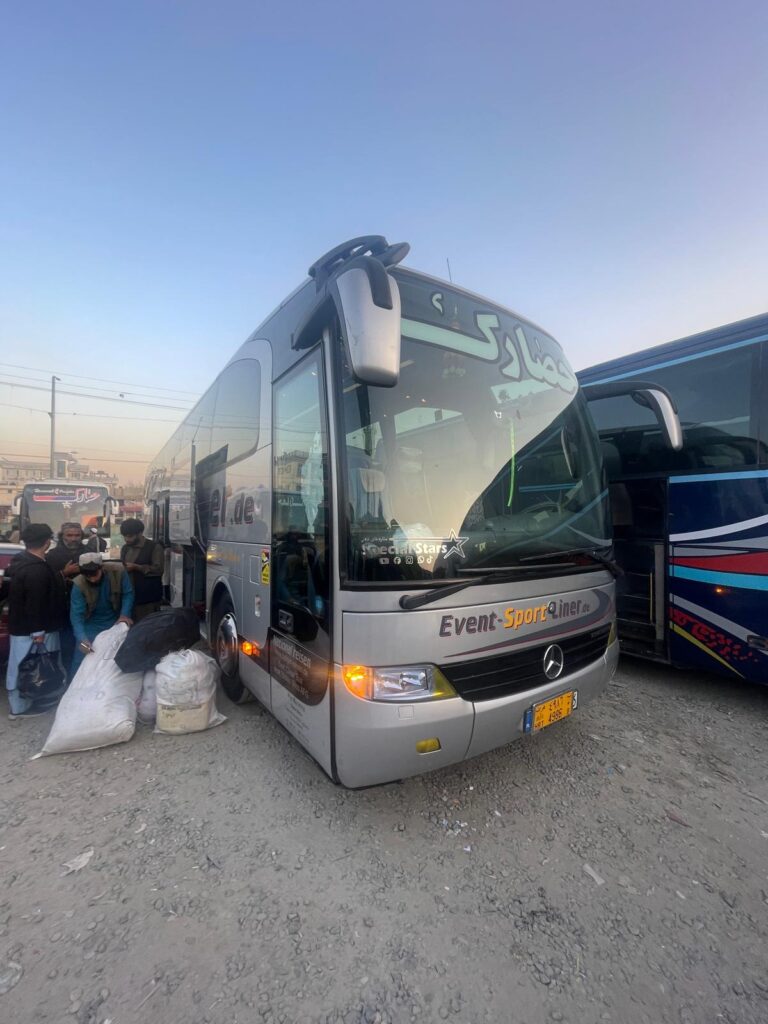
- Buses – around 1,200 afghanis (£14/US$19) per journey: This is for a journey of around 8-12 hours which means Kabul to Mazar-i-Sharif, Kabul to Kandahar or Kandahar to Herat. Costs can go up to around 1,500 afghanis depending on the route and bus company. Ask for the VIP buses which have seatbelts and are more comfortable.
- Flights – around US$80 per journey: By far the easiest way to travel, but also pretty costly. You should aim to get to airports several hours early to allow for many hours in traffic (expect 2+ in Kabul and less in other cities) and going through tight security procedures.
- Shared minivans – 400-800 afghanis (£5/US$6-£10/US$13) per journey: They’re uncomfortable and won’t leave until full (expect waits of 2+ hours unless you’re lucky), but the best budget option for long-distance journeys. I recommend these for short journeys such as Kabul to Bamyan, but the bus is better for longer trips.
- Taxis – Potentially as high as US$150 per journey: Only an option if you have big money to splash out here. It may be hard getting a driver to take you on a day-long journey, unless you pay for his food, accommodation and return journey on top. But if you have the cash and the desire, this would be a nicer option than the buses.
For the hardcore traveller, bringing your own car or bike may be possible, but I wouldn’t recommend it due to the challenging nature of the roads, and the lack of access to repair shops outside of the big cities if things go wrong.
Where to go Next
After Afghanistan, you have several really cool countries nearby. Unfortunately Turkmenistan isn’t a viable option (visa applications are regularly rejected for routes involving travel to/from Afghanistan), and the China border is closed. It’s possible to do Turkmenistan from Uzbekistan however. But if you want to check out a neighbouring country without hopping on a flight or crossing multiple borders, you have some great options!
Iran is just as famous as Afghanistan for its world class hospitality and magical historical sites. Unfortunately it isn’t a viable option for everyone. Us Brits and Americans can only visit on a guided tour. But for others, this awesome country is the closest you’ll get to a “continuity Afghanistan” experience, especially given the shared language.
Pakistan borders aren’t always open, but when they are, they offer access to a land of supreme nature and hospitality. I’ve never met a traveller who’s been to Pakistan and called it boring.
Tajikistan is a rugged adventure destination with some beautiful nature. My highlight was hiking through the Fann Mountains to see the 7 lakes, where friendly locals greeted me along the way. Tajikistan is also famous for the Pamir Highway with beautiful rugged nature in an internet-free zone where you stay in local villages.
Uzbekistan is the most comfortable neighbouring country. You’ll see a fair few tourists here, especially in the major Silk Road cities of Samarkand, Bukhara and Khiva. I enjoyed Andijon though near the Kyrgyzstan border. It’s much less touristy and the bazaar there is pretty interesting. Tashkent is also cooler than I thought. Again, Chorsu Bazaar is fun.
An Introduction to Afghan Culture
Afghan culture is very interesting. From the moment I first walked across the Friendship Bridge connecting the country with Uzbekistan, it felt like I’d stepped into a different world.
One of the most notable cultural quirks you’ll spot here is that Afghans are incredibly hospitable and welcoming. I lost count of the number of “welcome to Afghanistan” comments I received. Many would also ask where I was from, despite speaking almost no English.
Then you’ve got the tea culture. On so many occasions Afghans would invite me to drink tea with them. From an office by the Blue Mosque in Mazar, to a nearby carpet shop, to permit offices, to a random street market. The invites just kept coming. If you hate tea then Afghanistan probably isn’t the best country for you to visit!
And by the way, Afghans LOVE photos. I’ve never been to such a picture-friendly country. Kids literally followed me down the streets asking me to take photos of them. They didn’t even want me to show them the photos, they just wanted to be in them. Adults would often ask too. However, it was literally always men asking. Women play a background role in Afghan society, and men like myself cannot interact with them. Female travellers may have more luck taking photos with women, but even then, the local ladies won’t approach you like the guys will.
Then I have to mention the freebies. Afghans are poor, yet on multiple occasions would offer something for nothing. Three of us had a great day in Mazar and Balkh with a guide, when we asked him how much the tour cost he said nothing. We each tipped him US$50 anyway, but this was an incredible gesture.
On another occasion, I’d had a pretty rough day travelling back from Bamyan to Kabul and heading towards the night bus to Mazar. I went to buy snacks at the station, and the man there refused to take money. He just let me have them for free. Don’t expect this on your next Europe trip!
It’s also important to remember that this is a man’s country. This may upset a few people, but it’s the reality of how things are in Afghanistan. I’m here to give you an honest picture of what to expect, not to hide uncomfortable truths.
Women play very much a background role here, even to the point where most will cover their entire faces, or at most just show their eyes. You will often see them in the shadows, as men take centre stage in the streets.
As a foreign woman, you will have more freedoms than local women, but some restrictions do still apply. You cannot enter from Tajikistan alone via the Shir Khan border, and you aren’t allowed to visit Band-e-Amir National Park (although some Taliban members have been more lenient and let foreign women visit at times… the rules aren’t consistently applied once again here).
Virtually everyone you encounter in a public-facing role will be male. Shopkeepers, hotel staff, market vendors, drivers, you name it… I was told that there are female tour guides, in Bamyan at the very least, but I never encountered them. Women are generally restricted to childcare and behind-closed-doors roles such as making carpets.
What Languages Are Needed For Travel in Afghanistan?
Languages in Afghanistan are complex. They speak Pashto, Dari, Uzbek, Turkmen, Mogholi, Almaq, Hazaragi, Brahui, Balochi, Pahlavani, Wakhi, Kyrgyz, Darwazi, Tanghshewi, Shughni, Warduji, Sanglechi, Munji, Kati… oh, and that’s not all of them but you get the idea.
Some are dialects, others completely unrelated, but the good news is that Pashto and Dari are by far the most prominent languages, and really you only need to worry about those two. Better still, Pashto is only relevant if you go to the south and east of the country. Most tourists are only likely to visit Kandahar from the Pashto-speaking regions.
In Kabul, Mazar-i-Sharif, Bamyan and Herat the main language is Dari. Only in the Wakhan Corridor and Nuristan will you find complexities with all sorts of minority languages spoken.
Dari-speaking locals will sometimes ask you to translate to Farsi on your phone. Whilst Dari and Farsi have differences, in written form they’re mutually intelligible.
Download Persian on Google Translate to communicate with locals. Persian and Farsi are the same thing, and you should also add a Persian keyboard on your phone so locals can type in messages. This made things A LOT easier for me when trying to communicate with locals. They’ll need to type on your phone as theirs rarely have translation apps. Don’t worry about them running off with it, crime is low in Afghanistan now. Still, I wouldn’t trust the children here.
English is rarely spoken in Afghanistan, and it’s unlikely most locals will know more than a handful of words. So you will definitely need to communicate in Dari at various points here.
What is The Food Like in Afghanistan?
Afghan cuisine is great. It’s like Central Asian cuisine (well duh, Afghanistan is in Central Asia), but so much better.
Take the national dish, Kabuli Pilao. It’s essentially plov, which is a combination of rice, meat, shredded carrots, and sometimes cooked raisins. I noticed two massive differences between Kabuli pilao and plov however. It’s not unnecessarily oily, which really made plov a challenge at times in Uzbekistan, and the portions are double the size.
Oh, there is a third difference that isn’t so great. They just put one giant chunk of meat in and it can be hard to cut without a knife and fork (it’s common to either receive a spoon only, or eat with hands here).
Kabuli pilao isn’t the only similarity between Afghanistan and its northern neighbours. You’ll often see little kebabs being cooked on the streets, and meat is king out here, vegetarians are going to have a hard time finding substantial meals. On long journeys we would often stop at roadside restaurants where only Kabuli pilao was served.
Perhaps the most uniquely Afghan food you will find is sheer yakh ice cream. Sheer yakh is made up of milk, cream and sugar, with the addition of saffron and cardamom, plus it will often have pistachios. You can find it often across the country, although it’s especially common in Mazar-i-Sharif.
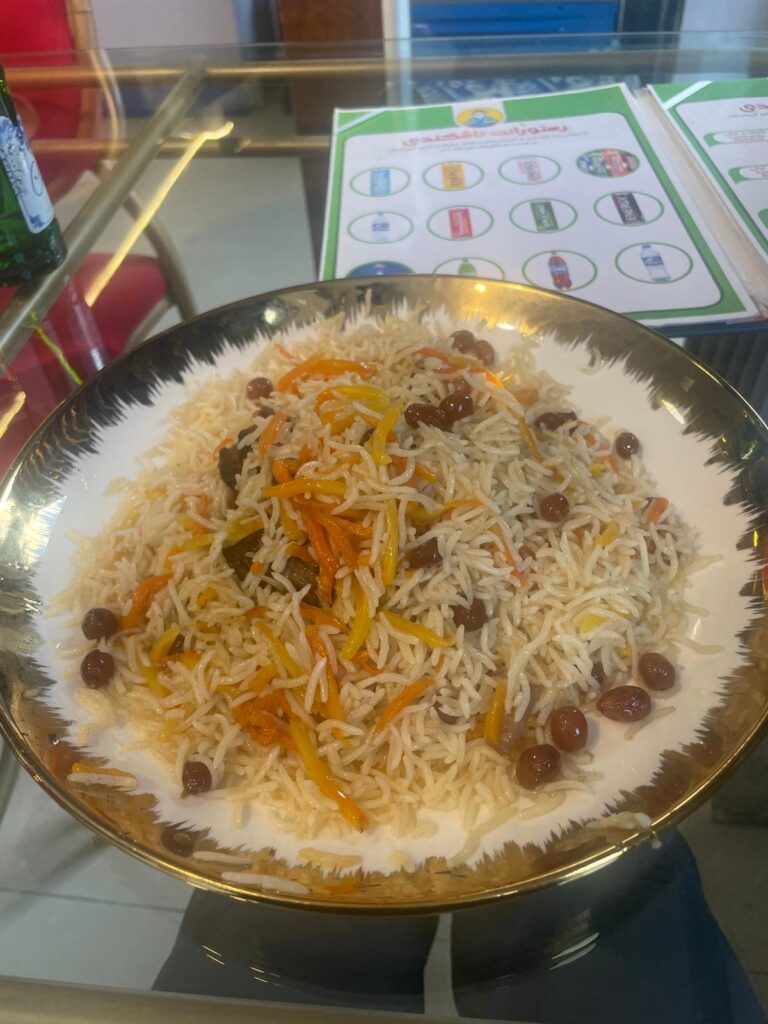
Food Hygiene and Etiquette
If I’m honest, food hygiene is not great in Afghanistan. People will give you bread with their bare hands, and hands will pick up dirt quickly in the dusty environments out here. Then you’ve got a lot of handshakes going on, so the bacteria will be passed around.
This Afghanistan travel guide is meant to give you an honest overview of both the good and the bad you will encounter in the country, and the food hygiene standards are bad here.
The good news is that any half-decent restaurant should have a sink where you can wash your hands thoroughly before eating.
You should avoid tap water here, it will make you ill. I recommend drinking from a filtered water bottle that can remove the bacteria as you drink it. I’ve been using a Water-to-Go bottle since I started travelling in January 2019, and I’ve never been ill from drinking with it. That’s not an affiliate plug, they don’t pay me to promote them, but if any WtG employees are reading this, feel free to fill in the contact form!
Street food is also high-risk. The poor hygiene conditions, plus endless dirt and dust from the roads, plus the possibility of meat being undercooked can be a brutal combination. I’m not your mother, I won’t tell you not to eat it, just be aware that you could be playing food poisoning roulette here.
Make sure you always carry hand sanitiser with you. You have no idea how handy this stuff is. Your hands will become filthy multiple times a day. Then there’s the handshakes where people will spread more bacteria with you. Have a good gel or spray to clean thoroughly before eating.
Lastly, you should know that communal meals are common. You will probably end up sitting on the floor at some point with a bunch of Afghans whilst eating Kabuli pilao and drinking tea. It’s a fun experience, and costs little more than 150 afghanis (£2/US$3), often with bread and a few sides thrown in. It’s cheap, tasty and culturally interesting. What’s not to love?
What’s it Like to Travel in Afghanistan as a Woman?
I was hesitant to include this section, as I’m a bloke and I can’t give you first-hand experience of travel in Afghanistan from a woman’s perspective.
What I do know is that you will have a very different experience to men here, especially when it comes to interacting with locals and the freedoms in terms of where you can go (Band-e-Amir is officially off-limits to women… but as already mentioned, this isn’t always enforced for foreigners).
What I can say is that some incredibly brave women have travelled in Afghanistan, and most have had positive experiences. If you want to read their stories, there are two places I recommend where you can find these awesome ladies.
One is the Every Passport Stamp Facebook group. It’s full of experienced travellers, and many write trip reports about their personal experiences in challenging countries. A fair few women have shared their experiences in here, and you can learn a lot from them.
The other is the Afghanistan Travel Experience group. These guys have set up a dedicated community for travellers hoping to visit Afghanistan, and many members have been to the country. This is the best place to ask questions, and there are plenty of female travellers who can give you their perspectives on the country. The community also has a WhatsApp group which the owner can help provide access to, and you can find further information there.
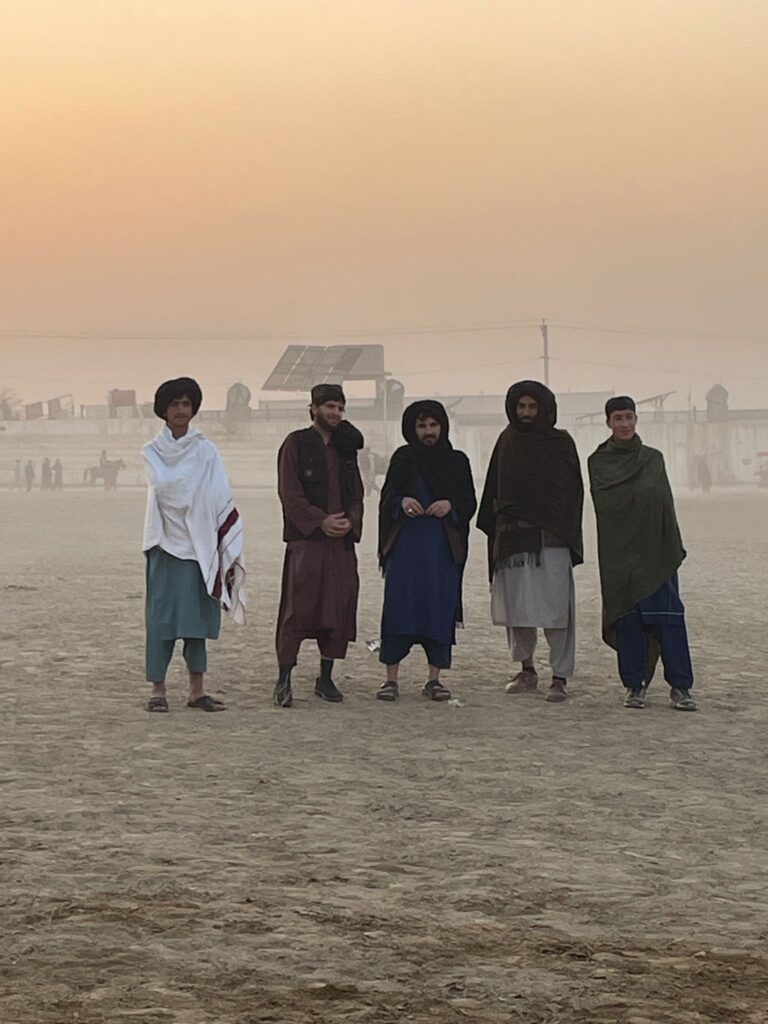
How Has The Country Changed Since The 2021 Taliban Takeover?
Many of us remember the shocking images to come out of Afghanistan in August 2021. Joe Biden pulled US troops out of the country, the Taliban filled the vacuum with lightning-quick advances taking over each province, and people were pictured falling to their deaths as they desperately grabbed onto moving planes.
That was widely viewed as a dark day for the country, but is that the reality? The truth is that the Taliban have been reponsible for both good and bad in Afghanistan since they took power.
One thing they did was introduce very strict Sharia law, with public executions amongst the strictest punishments dished out. This has had a massive positive impact on the country as crime has plummeted with locals fearing such harsh punishments. Some people may not like the methods used, but it’s been undeniably effective here.
Secondly, the Taliban destroyed the poppy fields in Afghanistan. Opium was a key export, and the driving factor behind serious addiction problems across the country. The Taliban’s no-nonsense approach cleaned up this problem in no time.
Not everyone has benefitted from the destruction of this industry. Farmers generally dislike the Taliban as they have to sell much less profitable products such as cotton now.
And terrorism has also seen a massive decrease. Okay, we must say that the Taliban were the perpetrators in many attacks before they took the country, but they’ve now changed roles and defend Afghanistan against violent attacks. ISIS have been contained to a small threat, and the Taliban are working to eradicate them completely.
Now these changes have made Afghanistan the safest it has been since the 1970s, before the Soviet Union invaded. And they’re incredibly welcoming to tourists, with our safety being a key priority for them.
But not every change they’ve implemented is positive. It is true that women’s rights have effectively been eroded. Women are forced to wear oppressive clothing, and are banned from even showing their hair. They have been reduced to the shadows of society, and are no longer able to receive an education. Life is bleak for Afghan women who have been restricted to childcare, and supporting roles behind the scenes.
They cannot access public parks, or even receive healthcare in many cases as most healthcare workers are men who they must not have contact with. And child marriage is a big problem that many young girls are forced into.
So have the Taliban made things better or worse overall? Well for local men, it’s fair to say that life in Afghanistan is much better than before when we take everything into account. However, for local women it’s undoubtably been a disastrous few years, and it won’t be improving any time soon. They’re by far the biggest losers of life under the Taliban.
For foreign visitors of both genders they have made things better, because your safety is a top priority for them. Tourism is booming (by Afghan standards at least) and terrorism is no longer a major threat. If something bad happened, it would be a PR disaster for the Taliban, who already aren’t exactly angelic figures in the west, so they really will go out of their way to look after you.
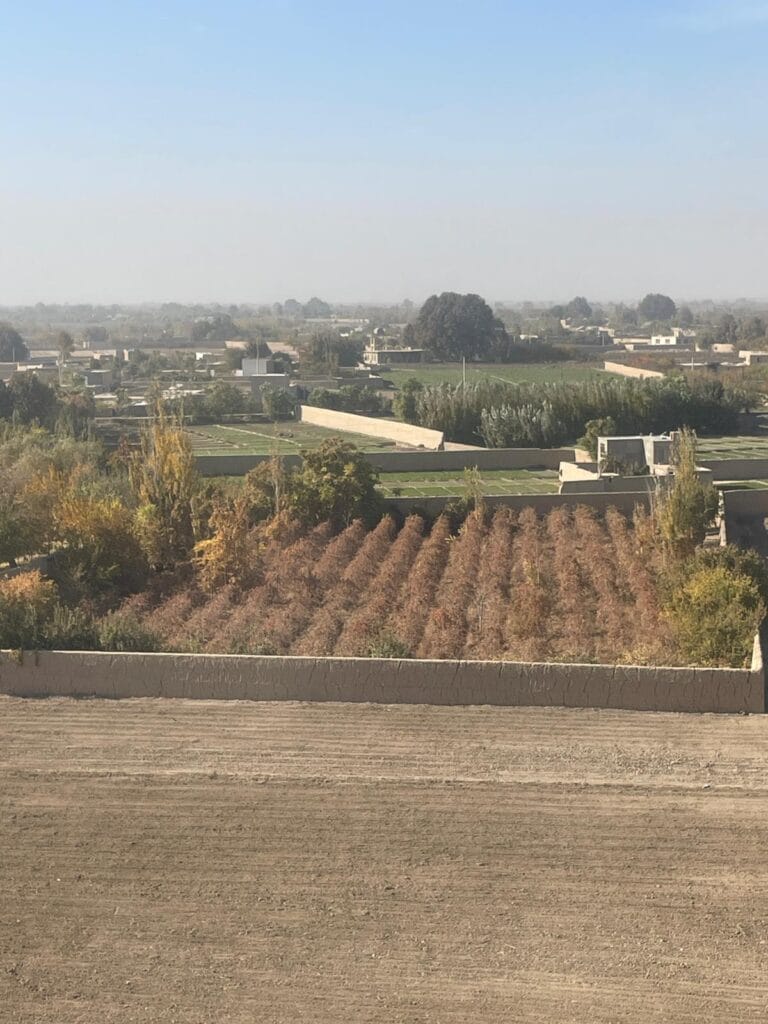
FAQs on Travel in Afghanistan
Some quick common questions on Afghanistan travel. I’ll cover these with short and sharp answers just in case you don’t have time to read through this entire post.
Is it Safe to Visit Afghanistan?
Mostly yes. Whilst Afghanistan does still have a small terror risk, crime is down massively and the Taliban have done a great job of reducing crime. The roads however are crazy and present a high level of risk. Street children should also be avoided where possible.
Is Afghanistan a Cheap Country to Travel in?
Not particularly. The requirements for a visa, permits and guides makes the costs add up quickly here. Sure, food and transport are cheap, but visiting the country overall can hammer your budget pretty quickly.
Do You Need to Obtain Permits and Hire Tour Guides?
Yes. Both are mandatory to obtain. However, rules aren’t strictly enforced right now, especially with hiring guides. Kabul is strict on ensuring you have a guide, but elsewhere in the country you can apply for your permits with them, spend a few hours together, and travel independently after that. Expect them to crack down on this eventually however…
Does Travelling to Afghanistan Make me Ineligible For a US ESTA?
No. The “naughty list” of countries that invalidate your US ESTA eligibility if you visit them consists of Iran, Iraq, Sudan, Syria, Libya, Somalia, Yemen, North Korea and Cuba. Afghanistan is not on the list, and you are still eligible for an ESTA, provided you have not been to one of the other countries since March 1st 2011 (or January 12th 2021 for Cuba). Be sure to check out the current ESTA rules before attempting to visit the USA.
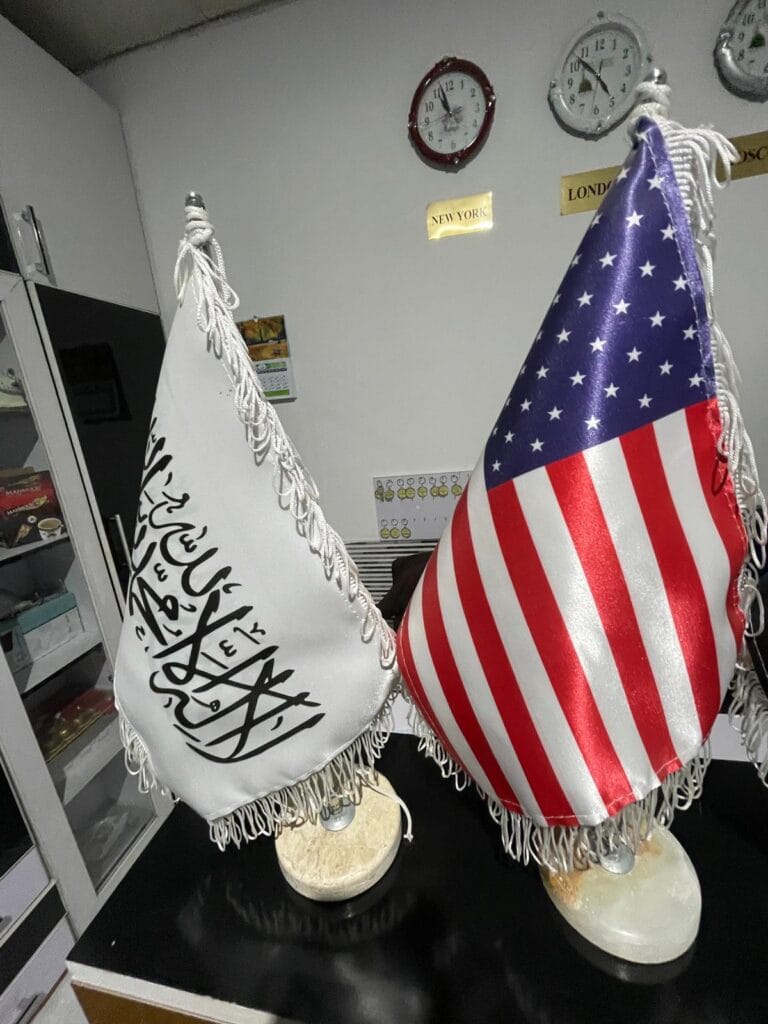
Final Thoughts on Travel in Afghanistan
Afghanistan is an incredibly fun country to visit. It’s exciting, it’s unique, and it feels like a true adventure. Hanging out with Taliban members who walk around with massive guns can seem intimidating, but it’s also kinda cool. You can get some awesome pics to show the grandkids later down the line.
It’s a country with many challenges too. I don’t want to know how much dust I inhaled out there, but I do know it definitely wasn’t healthy for my lungs. And the roads… genuinely the worst I’ve ever encountered, mostly in terms of the maniacal drivers recklessly swerving all over the place. We’re just a few shells and bananas away from creating a real life Mario Kart game out here.
Perhaps the biggest memory I’ll take from this country is the people. I’ve never encountered such welcoming strangers in all my years of travel. I shared tea with the Taliban in permit offices, with a wise old gentleman at Mazar’s Blue Mosque, and with Rafi, a carpet seller who talked in depth about his life under Taliban rule, before telling us he didn’t want his image shared online, for fear of reprisals.
The food is great and the history fascinating. Some of the smells and the noises can be overbearing at times, and things get pretty intense within seconds when groups of excited children begin to surround you.
Afghanistan is both Beauty and the Beast rolled into one single character. It’s suffered immensely from both internal and external forces over the years, yet has some stunning architecture and resilient people to show for it.
This country is not for everyone. It poses many challenges, the infrastructure is poor, and you can get in trouble if you mess up with the permits, or take pictures of the wrong people or buildings. But if you’re an experienced traveller and you want to go on a memorable adventure, there are much worse places to do it than Afghanistan.
More Posts on Afghanistan
- The Best Things To Do In Balkh During Your Afghanistan Trip
- The Complete Guide To Watching Buzkashi In Afghanistan
- What I Wish I Knew Before Travelling To Afghanistan
- What Are The Best Things To Do In Mazar-i-Sharif?
- How To Cross The Hairatan Border From Termez To Mazar-i-Sharif
- How To Get An Afghanistan Visa In Termez (Uzbekistan)
- The Complete Afghanistan Travel Guide
