
What Are the 10 Safest Cities in South America in 2026?

Disclaimer: Some links on this page may be affiliate links. If you purchase anything through them, I will receive a small commission at no extra cost to you! Further details in the Privacy Policy.
I’ve spent large chunks of the last few years in South America, visiting every country on the continent, most multiple times, and going to just about every major area of interest in each nation.
I often see generic statistics ranking countries or cities based on a series of metrics that combine together for a faceless “safety” ranking. But they don’t take into account real experiences that affect real travellers.
I much prefer information from locals and recent travellers to destinations. Statistics are often either outdated, or barely relevant to tourists (for example, high murder rates based on clashes between gangs in neighbourhoods no outsider would go near). Like me, you’ll probably be hitting up the tourist hotspots rather than Brazilian favelas and Venezuelan slums (well okay, I do that too, but they definitely don’t make this list).
This South American “safest cities” list is based on real experience. I’ve been to each of them, I’ve never felt in danger (which definitely wasn’t the case in Bogota or Rio de Janeiro), and both locals and travellers alike have backed up my experiences.
“I felt safe here” is not a qualifier to determine a city as “safe” if the general consensus from others suggests the opposite. Otherwise Caracas would be on here! Anyway, let’s get into the top cities in South America where you can enjoy a nice holiday without looking over your shoulder half of the time.
The Safest Cities in South America to Visit
Here are the most secure cities on the continent, where you don’t have to worry too much about crime or other hazards. I say “too much” because you should never fully let your guard down, even in a safe spot like Singapore.
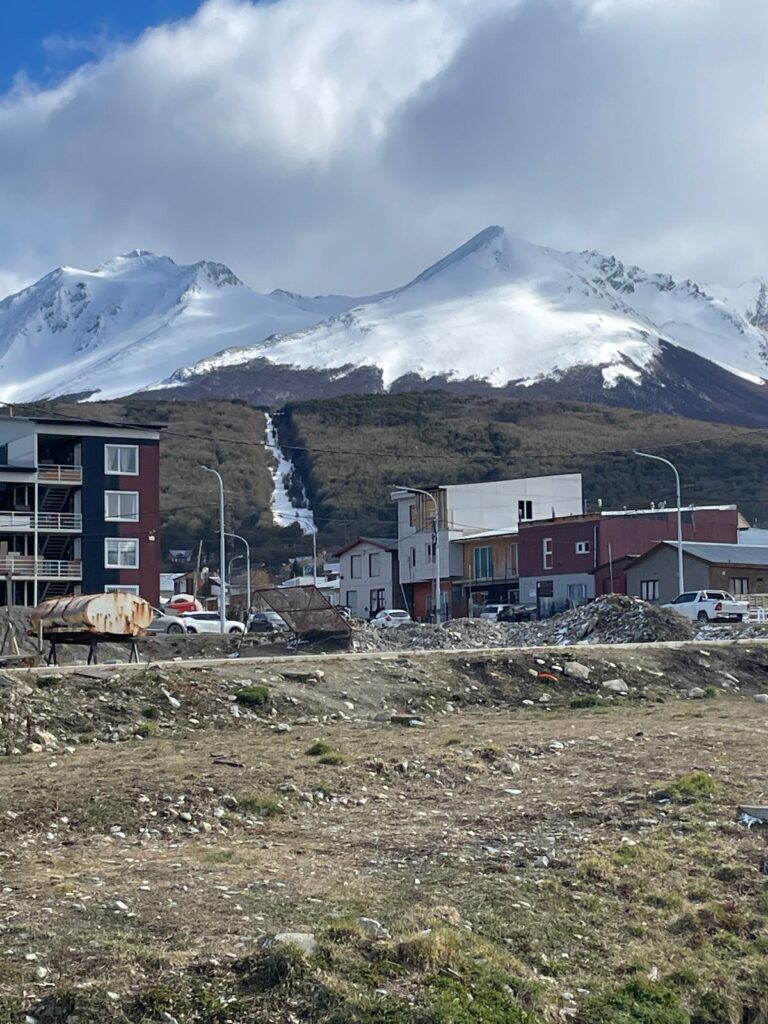
1) Ushuaia, Argentina
Top of the list is Ushuaia on the southern tip of Argentina, right at the bottom of South America on the map. Argentina is the safest destination in Latin America and Ushuaia is its safest city.
This is a country the size of a continent. The distance between Ushuaia and capital Buenos Aires is similar to that between London and Athens: around 3,000km or almost 2,000 miles. And Buenos Aires is just about the nearest spot with any real crime issues at all.
Ushuaia is a rarity in South America, the windows don’t have bars on them.
Coming from Europe, I was shocked when I first came to this part of the world a few years ago and saw barred-up windows pretty much everywhere, as if most cities were really just giant prisons. In Quito every single convenience store had them, and you had to ask the vendor to sell you goods through the bars.
Not in Ushuaia however. This city on Tierra del Fuego island is cut off from the rest of Argentina, as you have to pass through Chile to reach the mainland. Pretty annoying as you have to have your passport stamped twice for a simple ferry crossing, and it’s so windy at the border, even as a 6’3″ grown male I struggled to stay on my feet, but hey that’s a tale for another day.
Aside from the language and some food similarities, Ushuaia feels like a different country compared to northern Argentine hotspots including Salta, Buenos Aires and Iguazu Falls.
Ushuaia scores low or very low for most crimes, and even scores “highly” for safety whilst walking alone at night. And I walked away from the city with my girlfriend after dark. The walk was an hour long, and we never felt remotely close to danger. Only a little cold! Well, very cold actually…
Speaking of cold, that’s the one thing you do have to worry about here. This Patagonian winter wonderland is freezing in the winter time (June-August) so you need to wrap up warm.
Take particular care whilst hiking in the winter throughout the likes of Tierra del Fuego National Park and Martial Glacier. Go with a guide if you aren’t used to trekking in harsh conditions.
And keep an eye on the weather forecast before you do a Beagle Channel tour. The waters can get a little choppy.
Otherwise, come and enjoy Ushuaia’s many highlights. I wouldn’t just come here because it’s safe, it’s also awesome with a lot of cool nature spots nearby. Oh, and this is the main hub for cruises to Antarctica.
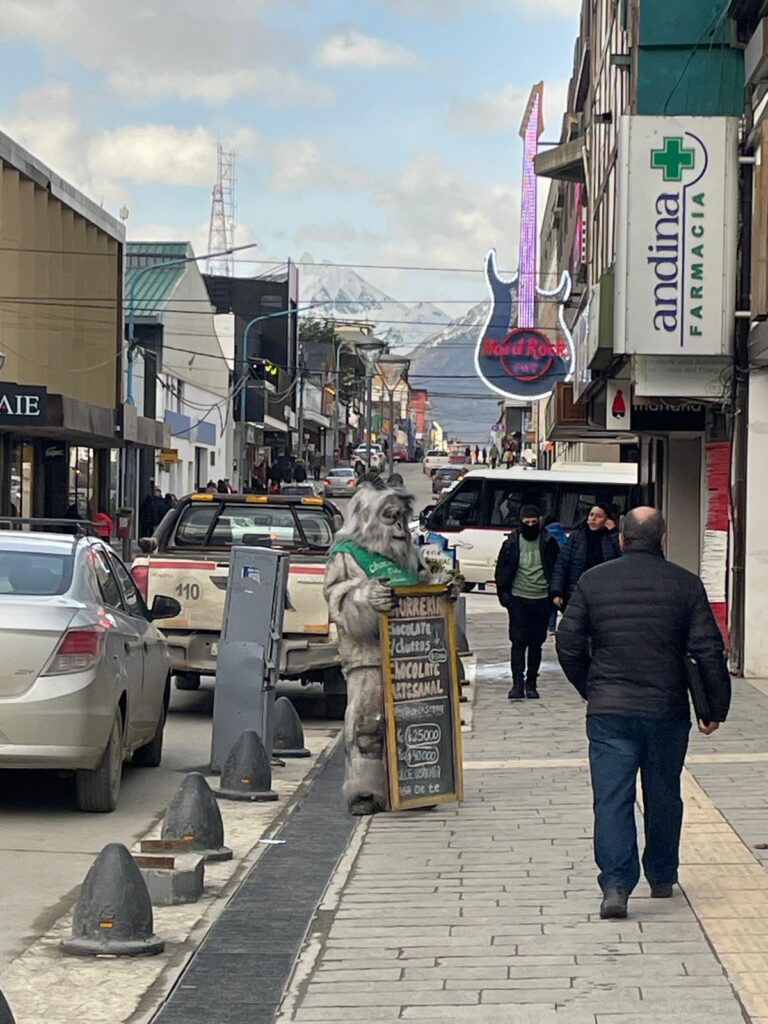
2) Colonia del Sacramento, Uruguay
Argentina is Latin America’s safest country these days, both statistically, and in terms of what I’ve experienced first-hand visiting most South American cities of note.
The country it knocked off top spot however, is Uruguay. And the gateway city of Colonia which you can easily reach from Buenos Aires, is a perfect example of why.
This sleepy Uruguayan border city is easily visitable on a day trip from Buenos Aires. However you may want to give it a little more time if you feel like slowing things down a little.
To be honest, a day is all you need here. I stayed for two nights on my first visit, and that was too long. I took a day trip from the Argentine capital with my girlfriend two years later, and we saw everything we wanted to in Colonia in a couple of hours.
It’s a slow-paced location with quaint colonial buildings. It doesn’t feel like a city at all with its lack of towering skyscrapers and hustle-and-bustle culture that you’d associate with city life.
Crime here is very low. It has a bit of a retirement village vibe. Some lovely cafes and restaurants, a handful of beaches, and an all-round chilled feel.
Super safe and there’s just about nothing to worry about here. It’s fun for a day, but boring beyond that.
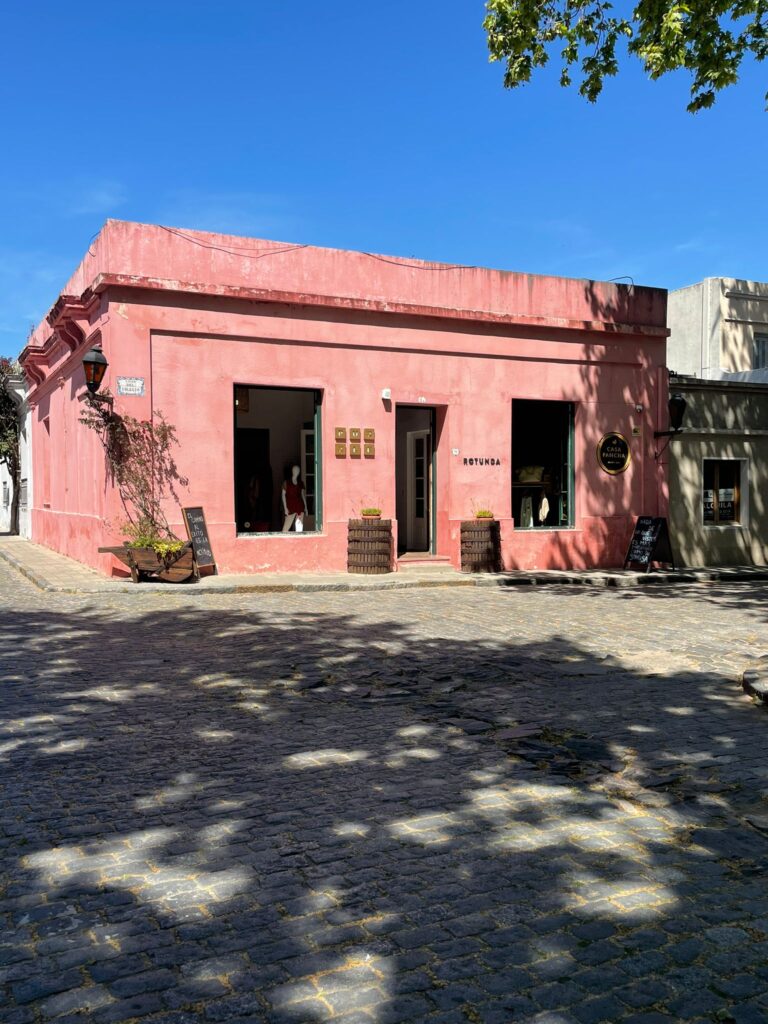
3) Bariloche, Argentina
We started our fortnight in Patagonia in one of the safest cities in the Americas (Ushuaia), and ended it in another one (Bariloche).
Bariloche is just about as European as it gets in South America. Cold weather? Tick. Alpine-style buildings? Tick. Great chocolate? Tick. And we ate far too much of the latter during our visit here… but we certainly don’t regret it.
This city is known for two things: its amazing chocolate, and its incredible scenery, which is also very reminiscent of Europe.
And the best thing is, it’s super safe.
Bariloche is a perfect example of why I wrote this guide. There’s so much inaccurate information online, including stats which portray Bariloche as dangerous.
Well, it’s not. Speak to anyone who’s been there, speak to locals, ask questions in Facebook groups on Argentina, Patagonia and South America travel. I guarantee no one will tell you it’s a dodgy city. Remember when I said I don’t trust faceless stats as a reliable safety metric? This is why.
Bariloche’s stunning lake and mountain scenery reminded me of Lake Bled in Slovenia. And the safety levels felt similar to Slovenia too. The chocolate was more reminiscent of what I munched my way through in Belgium. And fortunately Bariloche is much safer.
Crime here is low, and it’s perfectly fine to walk alone at night here, something I wouldn’t recommend in 90% of Latin American cities.
The downtown area is busy at all hours, so you don’t need to be worrying about it turning into a spooky ghost town after dark.
As with Ushuaia, the main dangers here are cold weather, mountainous terrain, and missing your flight out because you’re having too much fun here. Not crime. Bariloche is another reason why Argentina is very safe.
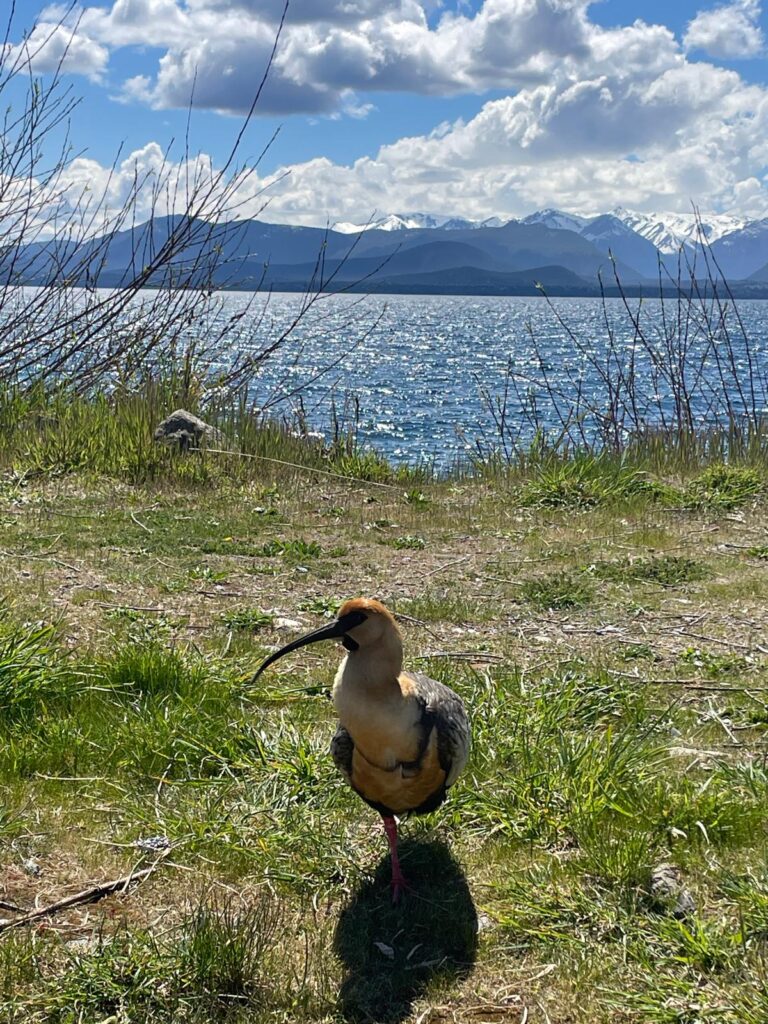
4) Mendoza, Argentina
Mendoza is one of my favourite cities in the world. It has lovely parks, you can order world class Argentinian steak, the climate is good, and as you can perhaps tell from its inclusion on this list, it’s very secure.
Mendoza is the next major city if you head north from Bariloche, and the safest in Argentina outside of Patagonia.
Mendoza is great. It’s famous for its wine, and also works as a base city to visit South America’s highest mountain, Aconcagua.
But we’re here to talk about safety, and as with every city in this list, crime is low. Mendoza is another example of why I write this guide. Because the information available online is wildly inaccurate and makes it sound like a dodgy place.
It’s not.
I’ve been here twice now, and if I could choose one place in South America to live, it would be Mendoza.
Even at night time, we walked many times from the centre to our apartment 30 minutes away with no issues. It did feel a little eerie at times with no other people around, but it never felt dangerous.
And locals tell us the same, you don’t have to worry about crime in Mendoza, assuming you take basic precautions and don’t walk around the streets with your phone out. That’s a no-no in almost any Latin American city (I would say Ushuaia and Colonia are the only exceptions).
The only real danger in Mendoza, is that they have massive ditches alongside the paths. If you aren’t careful or you have a few too many glasses of the local wine (easy to do), it would be easy to fall into one of these and injure yourself.
I guess the plus side is that they are so big, you can’t really miss them.
Otherwise, Mendoza is a great place to chill and live away from the dangers that other parts of South America bring.
I love it here, and I’m sure you will too.
Mendoza is one of many reasons why Argentina is the best country in South America.
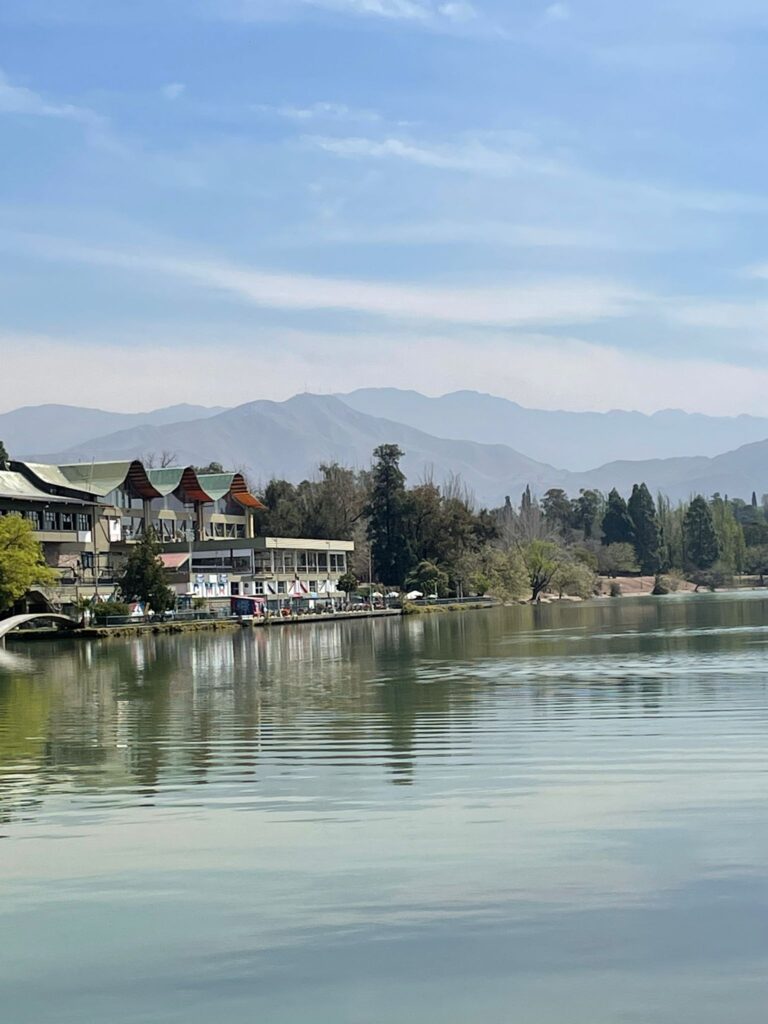
5) Arequipa, Peru
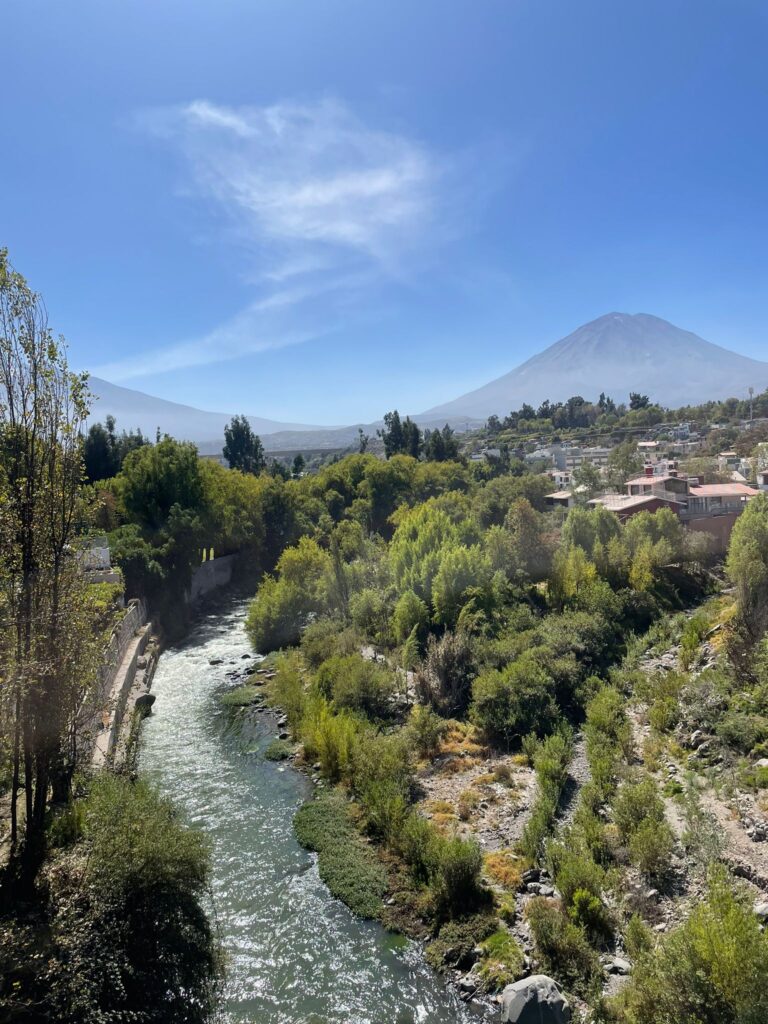
Arequipa is one of the most scenic cities in South America, and it’s also very safe.
Peru is a mixed bag overall. Some parts of the country (very far from tourist hotspots), like the notorious mining town of La Rinconada, can be very dangerous. Others on the other hand, are very safe, just like Arequipa.
You don’t have much to worry about here, especially if you dress down and keep your phone in your pocket (once again, pretty standard Latin American safety tips).
Peru is the perfect place to start if you’re visiting South America for the first time.
The only problem I have heard coming from this city, is that taxi drivers (street taxis, not Uber which works here) have been known to scam and rob passengers. Unfortunately this is an issue in many countries worldwide. I never use street taxis where possible. Give me Uber all the way. Or Bolt, or whatever local equivalent a city has.
Stay around the Plaza de Armas and you should be fine. This is the main tourist square. Pickpockets often operate in touristy areas like this. They aren’t a major threat in Arequipa, but that doesn’t mean they’re non-existent.
One slightly worrying moment came when my phone started blaring out a loud alarm noise I’d never heard before. It turns out this was an earthquake alarm and there was an active earthquake taking place at that very moment.
Now I never felt anything, but it turns out Peru is susceptible to earthquakes. There hasn’t been a major earthquake (10+ deaths) since 2007. You can read Peru’s earthquake stats for reassurance on how rare they are. And in Arequipa they’re even rarer.
So don’t be scared off by the tiny threat of natural disasters. Just be aware they can happen.
Otherwise, this beautiful city is the main gateway to Colca Canyon, where you will need to apply mountain safety tips. But in Arequipa itself, there’s little to worry about.
Make sure you put this city on your Peru itinerary.
6) Cusco, Peru
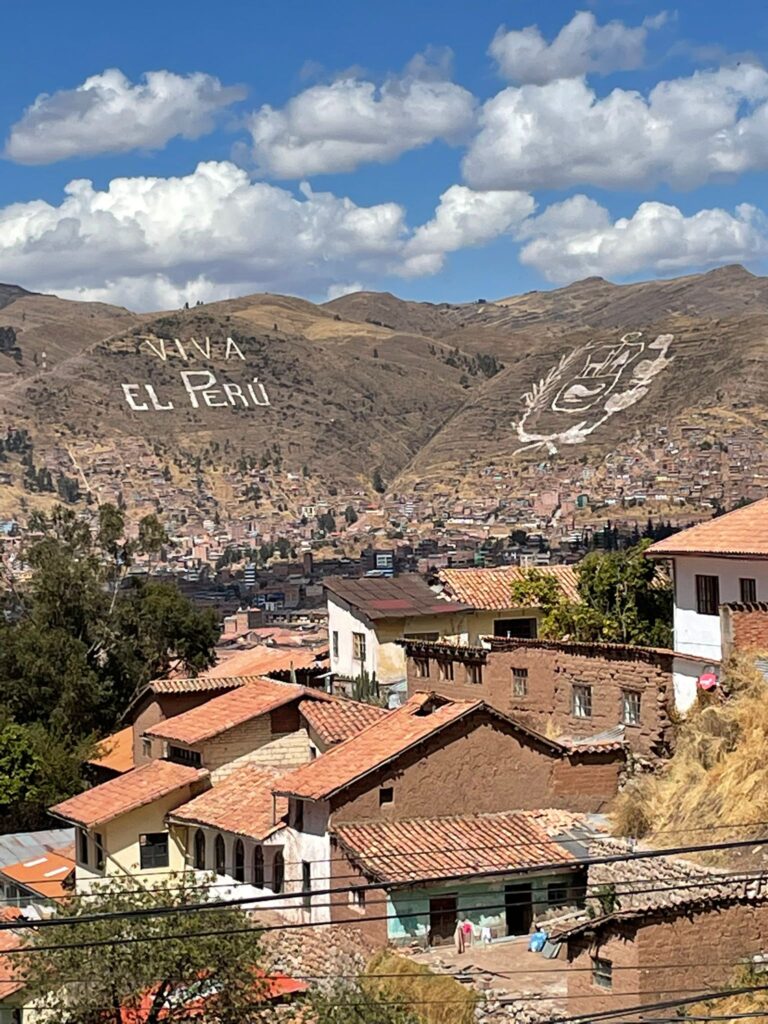
Another super safe spot in Peru is Cusco, by far the most popular city for foreign tourists. This is the gateway to Machu Picchu. It is also a great base for other awesome spots such as Mount Vinicunca (Rainbow Mountain) and the Sacred Valley. I’ve been twice and loved it both times, this is truly one of South America’s most enjoyable cities.
If you hang around the city centre, there’s often a large police presence there. They know this place is super touristy, and the last thing they want is for something terrible to happen to a visitor, as Cusco relies heavily on tourists to boost its economy.
Although we did feel slightly uneasy when we came to the Plaza de Armas at 4am on a Saturday morning for a tour, just as the drunks were spilling out of clubs and bars. This is only a problem in the early hours of Saturday and Sunday.
There are generally lots of people around the centre at all hours.
The one drawback of Cusco being so touristy, is that you do have to be wary of little tourist scams and attempts to rip you off. Someone may ask if you want a photo with their alpaca for example, then demand you pay the equivalent of a few US dollars for it.
Cusco’s main danger comes from high altitude. It is 3,400 metres (over 11,000 ft) above sea level. Which means altitude sickness is a real possibility here. And whilst I didn’t get ill here, I had altitude sickness in the Bolivian altiplano, and it was a really unpleasant experience.
The trick is to acclimatise. You should spend 2-3 days here taking it easy and not doing any major activities. After that you can start looking into mountain hikes including Rainbow Mountain and Machu Picchu.
Once again though, Cusco is very safe. Even if you do nothing else in Peru, this city (including the surrounding mountains) should be an essential part of your South America travel route.
7) Aregua, Paraguay
The 7th of our safest cities in South America for tourists and expats alike is Aregua in Paraguay.
Now if you plan on visiting South America’s most underrated country, you can read all about safety in Paraguay first. A country I’ve been to several times and spent months in. It has its hairy spots in the major cities, but is otherwise very safe.
Aregua is a very easy day trip from the capital Asuncion. Whilst I’ve been to Asuncion several times and felt a little danger in small pockets there, Aregua has a much more laid back feel to the place.
There are several cool things to do in Aregua which include chilling by the beach and taking a boat ride across Lake Ypacarai.
One common trend is that smaller, more laidback cities tend to be safer than bustling metropolises. And that’s definitely the case in slow-paced Aregua.
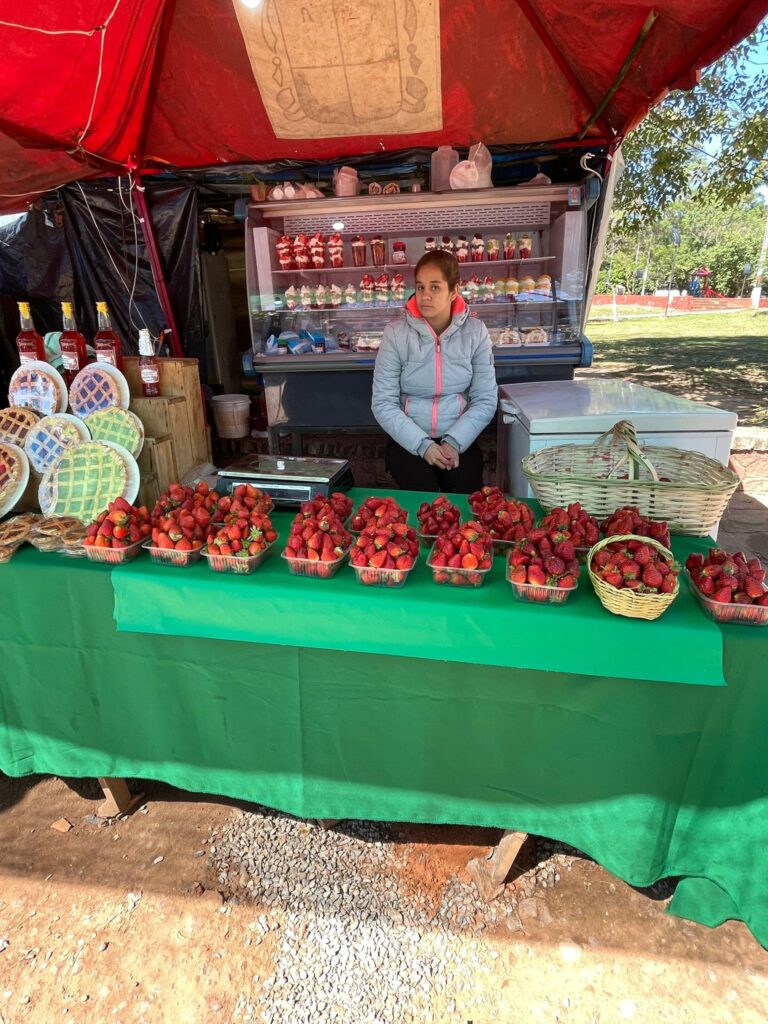
We enjoy coming here in mid-to-late winter for the annual strawberry expo which takes place (usually) from July-September. I’d recommend going at that time as it’s just about as lively as Aregua gets.
Don’t expect any bucket list activities like Machu Picchu or Patagonia round here. But do consider putting Aregua on your Paraguay itinerary if you want to slow down for a bit and relax in one of South America’s safer spots.
The only hazard you should be aware of, is that Lake Ypacarai is heavily polluted, and you should not attempt to swim in it. Take a boat ride instead.
8) Montevideo, Uruguay
Admittedly Uruguay is one of the most boring countries in South America, but it’s also one of the safest.
Montevideo isn’t quite as safe as Colonia, but it’s still a city with a fairly low threat level compared to most South American cities.
In fact, Montevideo is just about the safest capital city in South America. Only Sucre (Bolivia) really runs it close, with Buenos Aires (Argentina) not far behind.
The only part that most locals and travellers warn against walking in alone at night, is the Ciudad Vieja area, which is where the historic centre is based.
To be honest, I walked alone at night around Ciudad Vieja several times during my two weeks in Montevideo, and whilst there were a few dodgy characters around, I didn’t feel in imminent danger.
I would say that you should probably err on the side of caution and not copy me here. Aside from the local supermarket, pretty much everything shuts down, and the alcoholics and drug addicts take over this part of Montevideo until sunrise when it becomes very safe again.
I won’t pretend Montevideo is a fun city. But it is a pretty safe one, for now at least, it seems to have been slowly declining in the past couple of years due to the government’s high tolerance towards drug abuse, and soft approach to crime.
Uruguay attracts more business travellers with its favourable taxation laws rather than tourists. It has many similarities with Argentina in terms of food and European-style architecture and culture, but none of the magical landscapes its neighbour has.
If we compare the two capitals however, Montevideo is safer than Buenos Aires. The security situation in the Uruguayan city is better overall than in Argentina’s popular capital which has more extremes between the good parts and the bad.
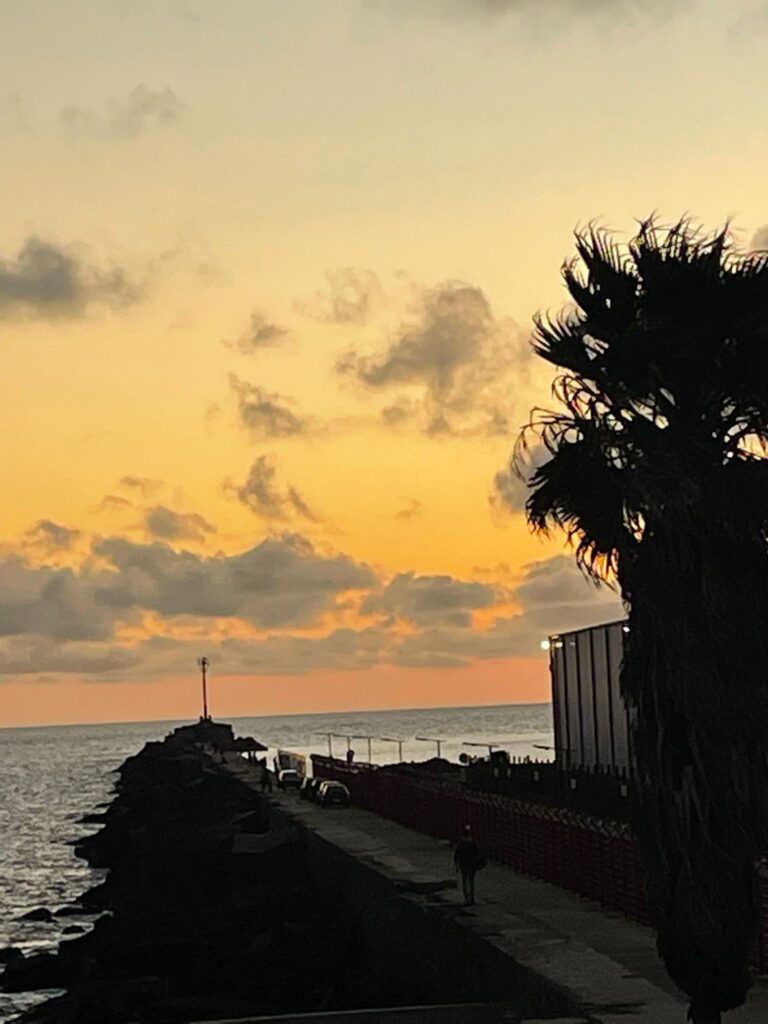
9) Salta, Argentina
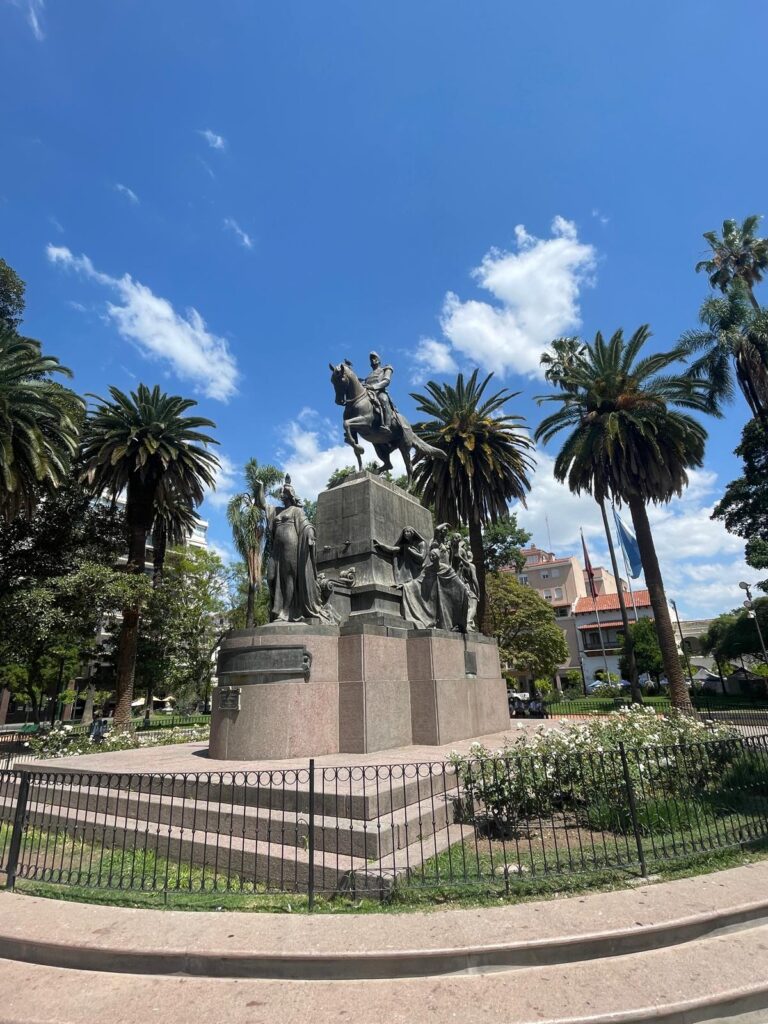
Our fourth and final entry in this list from Argentina is Salta, a city in the northwest which has more of an Andean/Peruvian vibe than a feel similar to Mendoza, Buenos Aires or Argentine Patagonia.
It shouldn’t surprise you that Argentina dominates this list. According to the Global Peace Index, it’s the safest country in South America, the 2nd-safest in all the Americas (behind Canada) and the 46th-safest worldwide, just behind ultra safe South Korea (where I used to live) in 41st, and Greece in 45th.
In Salta, you should be a little wary around the bus station after dark. And pickpockets do operate in the city, so be careful, especially around the tourist centre of Plaza 9 de Julio.
Otherwise however, that’s as bad as it gets.
We had an Airbnb right in the plaza, and we were told off for locking the door at night as the owner said it should be unlocked at all times.
Not really a smart thing to do. But when the door was unlocked, you could literally push it open. And when the owner feels its safe enough to leave like that at all hours, it speaks volumes about the safety situation in Salta.
In case you’re wondering, we were at least allowed to lock our room. So it wasn’t like people could walk directly from the street to our bedroom unhindered.
Salta is a fun city, with nearby attractions including Cafayate (famous for its delicious alfajores) and the Salinas Grandes, a series of cool salt flats.
It’s also easy to get to Uyuni in Bolivia from here. And that’s a serious bucket list destination. So I’d recommend tagging that onto your trip if possible.
10) Baños, Ecuador
This may raise a few eyebrows, because Ecuador is not very safe right now. Gang wars have made the likes of Guayaquil and much of the Pacific coast almost no-go zones, whilst capital Quito is a city where I was almost mugged.
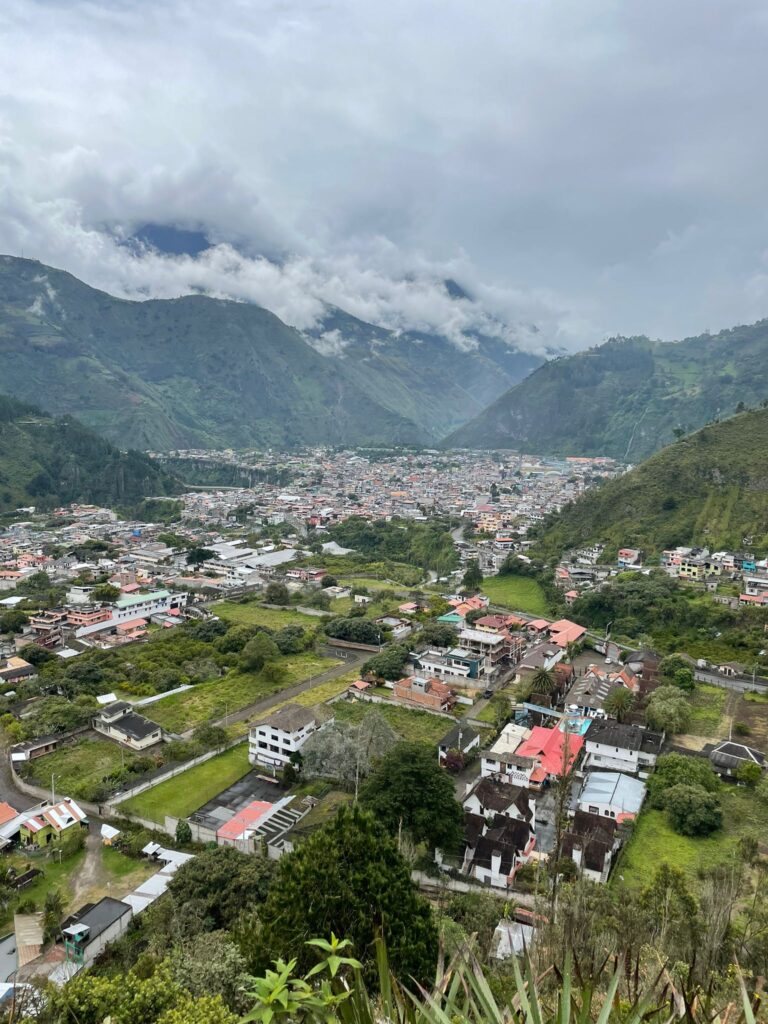
The good news, is that Baños is a little oasis within this troubled nation.
Baños is the adventure sports capital of Ecuador, so you come here for hiking, bungee jumping, white-water rafting and more activities that will get the adrenaline pumping.
As a tourist spot, it’s a little more secure here. That doesn’t mean that it’s completely crime-free. It isn’t. But it’s still safer than most South American cities, and a lot safer than most Ecuadorian cities.
Once again, take standard Latin America safety precautions (hide your valuables and don’t go out at night). I would say that chances are you will be fine after dark here. But unlike other cities on this list, I wouldn’t say that it’s almost certainly going to be fine.
Be careful with some of the hikes and adventure activities here. Of course, accidents can happen, and sometimes your travel insurance won’t cover adventure sports. So make sure you are covered just in case something goes wrong.
It was a relief to experience the calm of Baños right after my Quito mugging incident.
Honourable Mentions
Some cities just fell short of this list. One of the biggest omissions is Buenos Aires. The capital of Argentina is mostly pretty safe, but it does have its danger spots.
The famous La Boca neighbourhood is safe during the day, but at night and in the surrounding areas (both day and night) it is one of the few real danger spots in Argentina.
Another Argentinian city, Cordoba could also have been mentioned. It may well have been if I expanded this top 10 to a top 11.
There are several really fun small towns dotted around South America. Barichara and Guane in Colombia and Brazil’s Gramado and Canela are some of my favourites. They’re all super safe, despite being in countries which overall have a higher risk level. But this list is on cities, so they don’t make the cut.
Why Have Other Well-Known “Safe” South American Cities Not Made This List?
There are some other cities which often make “safest South America city” lists, which I intentionally haven’t included here. Let me explain why.
Punta del Este in Uruguay is one such example. This popular beach destination is super safe during the summer. However in winter time, it becomes a bit of a ghost town and locals talk of a high crime wave as criminals loot properties whilst many residents stay away.
It’s very safe during the summer though.
Florianopolis is often named as one of the safest cities in Brazil. We didn’t feel that way though, and ended up spotting a fair few shady characters in the city centre, even in broad daylight. We felt unsafe there and quickly left.
We also heard a gunshot one night outside our accommodation. We stayed in two places on a large hill which the city is built around, and they felt like Brazil’s notorious favelas, which was surprising given the “safe” reputation of Floripa, as the cool kids call it.
Florianopolis is far safer than Sao Paulo or Rio de Janeiro, but I certainly wouldn’t consider it “safe safe”.
Outdated information also claims that Santiago in Chile is safe. This is based off Chile’s reputation as a very safe country. And whilst that’s true for much of Chile, it’s not for Santiago.
The capital is home to regular riots where protestors attack riot police, who respond with strong force. I was tear gassed when one of these riots took place outside my hostel. They are more regular occurrences on Friday afternoons.
Another thing I noted in Santiago, is how most buildings are barricaded up with not just barred windows (like many South American cities), but also large sheets of metal which turn business into impenetrable fortresses when they’re closed for the night.
Something I haven’t seen elsewhere in South America, even in the dodgier places.
I’ve also seen Medellin in Colombia ranked as a “safe city”. It’s not.
Sure, nothing happened to me when I was there, but a lot of tourists do run into trouble. It’s especially notorious for criminals spiking tourists’ drinks with scopolamine and robbing them whilst unconscious. In the worst cases, tourists have been killed from these incidents including 39 in 2024. Don’t date locals in Medellin, or you’re asking for trouble.
Will I Definitely be Safe if I Only Visit Cities on This List?
No. You can never guarantee safety, even in the safest places in the world. I don’t say this to scare you, it’s just a fact.
You can spend a day walking through the most dangerous regions of Mali and have nothing happen to you, then spend a day in Singapore and get mugged. I’ve been to Afghanistan safely, and got attacked in Belgium a fortnight later.
Of course the odds of those occurrences are low, but the chances of facing danger are never zero, even in your home town.
South America is a beautiful part of the world. And I would love you to come down and enjoy this continent as much as I do.
As long as you follow the safety advice I wrote in this guide, you have a very low chance of being harmed, even in places more dangerous than those on this list.
Stay safe, and happy travels!
More Posts on South America
- The Safest Countries In South America: Ranked
- Best Countries In South America To Travel To: Ranked
- Central America Or South America: Which Is Better To Visit?
- What Are The Best South American Countries For First Timers?
- What Are The 10 Safest Cities In South America?
- A Budget 6-Month South America Itinerary: From my Experience
Other Travel Safety Guides
More detailed travel safety posts, categorised by country, region, or general safety.
Safety By Country
- Is Bolivia Safe For Tourists To Visit? Learn How to Traverse This Rugged Nation
- Is Argentina Safe For Tourists To Travel To? South America’s Best Beginner Spot
- Is El Salvador Safe For Tourists? Safety in The Former Murder Capital
- Is Ecuador Safe For Tourists? A Complete Safety Guide
- Is Mongolia Safe To Travel To As A Tourist? The World’s Sparsest Country
- Is Myanmar Safe For Tourists? A Country That Will Surprise You
- Is Paraguay Safe For Tourists To Visit? South America’s Unknown Gem
- Is Venezuela Safe For Tourists To Visit? My Biggest Travel Surprise
Safety By Region
- The Safest Countries In South America: Ranked
- What Are The Safest Cities In South America
- Safest Latin American Countries To Visit
- Safest Southeast Asian Countries To Visit
- What Are The Safest Cities In Southeast Asia?

We moved to BA about 6 months ago and I have never felt unsafe here. In fact, I routinely walk our little Jack Russel in the MIDDLE of the night alone. I mean like we leave our flat at 1 or 2 AM and don’t come back until an hour or two later. I am only 5’6 and weigh 130 soaking wet. I’m not imposing or intimidating. This is the ONLY place I have ever lived where walking alone at night didn’t even make me nervous, much less anxious or scared. To make matters worse, I love to walk around whilst watching Instagram videos or YouTube videos. I always have my phone in my hand and my head looking down, and noise cancelling earphones on my ears. I am the perfect target for something to happen. Yes, I know this is dumb and not street smart, but that is how safe I feel here. I’ve never experienced anything like this before in my life. Oh, and one last thing, I do not speak Spanish so it’s not like I feel confident in my ability to communicate. I love it here!!!!!
I’m glad you feel so safe there! That’s one of the best things about Argentina. Not only are the food and landscapes so amazing, but it’s so safe. A world away from the likes of Bogota or Sao Paulo where you always have to keep an eye on your surroundings.