
Best Countries in South America to Travel to: Ranked

Disclaimer: Some links on this page may be affiliate links. If you purchase anything through them, I will receive a small commission at no extra cost to you! Further details in the Privacy Policy.
I’ve been to every country on this incredible continent. As a result I get asked this question a lot: what are the best countries in South America to visit as a traveller?
South America is famous for its diverse landscapes ranging from stunning Patagonian glaciers, to the mountains of Peru, to wildlife-rich Venezuelan plains, to the Bolivian altiplano, and so much more. I haven’t even mentioned the Amazon Rainforest yet!
It’s a continent where you can find some of the world’s cheapest countries, and your money can go a long way. Although there are also some ridiculously expensive nations down here too. I’m looking at you Guianas + Venezuela…
Likewise, safety is something that comes up often when you talk about this part of the world. The reality on the ground is that some countries were much safer than I expected, whereas others were far more dangerous.
Now of course, everything is subjective. And these rankings are based on my own personal experiences.
However, I’ve learnt a lot whilst travelling to every South American country, met countless locals who have shared on-the-ground knowledge with me, and have visited most countries down here multiple times.
Therefore I hope I can give you some good advice with this post.
I will be ranking every South American country based on the overall picture. However, I will also rate each one out of 5 on how expensive and how dangerous they are, with 5 being the most expensive/most dangerous, and 1 being the cheapest/safest.
I will also give a brief overview of the highlights and lowlights in each country.
South America is my favourite continent in the world, and literally half of the 12 countries down here make my top 11 in the world from all of these visited so far. The nature is second to none, the food (in the southern nations at least) is phenomenal, and the people are generally very friendly. Although where the south takes the culinary crown, it’s the northern part of the continent that wins for warm and welcoming locals.
And yes, top 11 may seem oddly specific, but that’s because I made a list ranking every country I’ve been to, which I may share on Twitter or on here soon.
Without further ado, here is every country in South America: ranked from worst to best.
12) Suriname
Cost rating: 3/5
Danger rating: 4/5
Highlights:
- Err… I guess Paramaribo has a handful of nice buildings
Lowlights:
- Lots of crime here, and it’s only getting worse…
- Very little of interest to see and do
- Despite being the cheapest of the three Guianas, it’s still pretty expensive here
- Complex bus system
I’m sorry, but Suriname is my least favourite country in the world.
A local told me how economic struggles have led to crime gradually increasing throughout the country.
And sure enough, I was scammed twice in four days, chased down the street by an angry lady swigging from a giant vodka bottle, and I’m pretty sure I escaped a kidnapping attempt at the chaotic bus station in Paramaribo as I tried to make my way to Cayenne.
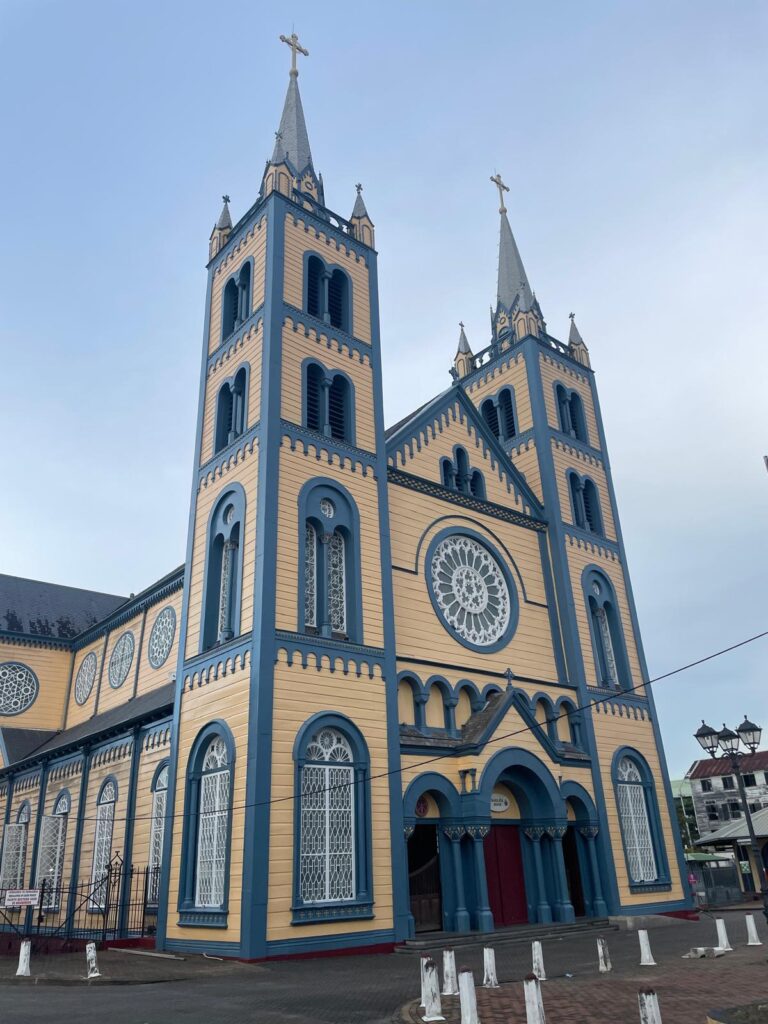
In terms of cool things to do, there really isn’t much here. Paramaribo has some decent colonial buildings, but that’s about it. The basilica was my favourite.
Fort Zeelandia is perhaps the most famous attraction. This colonial-style fortress isn’t something I’d recommend coming all the way to Suriname for however. It costs US$5 to enter if you do end up here.
The country boasts of being 93% covered by rainforest. The Amazon is a pretty big draw, so it’s a shame tours are so hard to find, and expensive when you do find them.
Suriname would benefit from making the Amazon more accessible to tourists. Currently, there are much better options for exploring it in most of the other 8 countries with Amazon access.
But for now, Suriname offers pretty much nothing in terms of interesting things to see and do. It’s not particularly safe, it’s less affordable than much more exciting countries, and it’s a nightmare to get to.
If you aren’t already in Guyana or French Guiana, it will cost a lot to get there. I flew in via Belem (Brazil) which is one of the best gateway airports for the Guianas. And even that isn’t at all cheap…
If I went to Suriname again (never say never), I would come with a higher budget, spend less time in Paramaribo, and focus on the jungle and wildlife. Perhaps that would boost it in my rankings. But these come from real experiences, and the truth is I had a rough time in Suriname. That’s why it takes bottom spot.
11) Guyana
Cost rating: 4/5
Danger rating: 4/5
Highlights:
- Watching cricket is enjoyable here
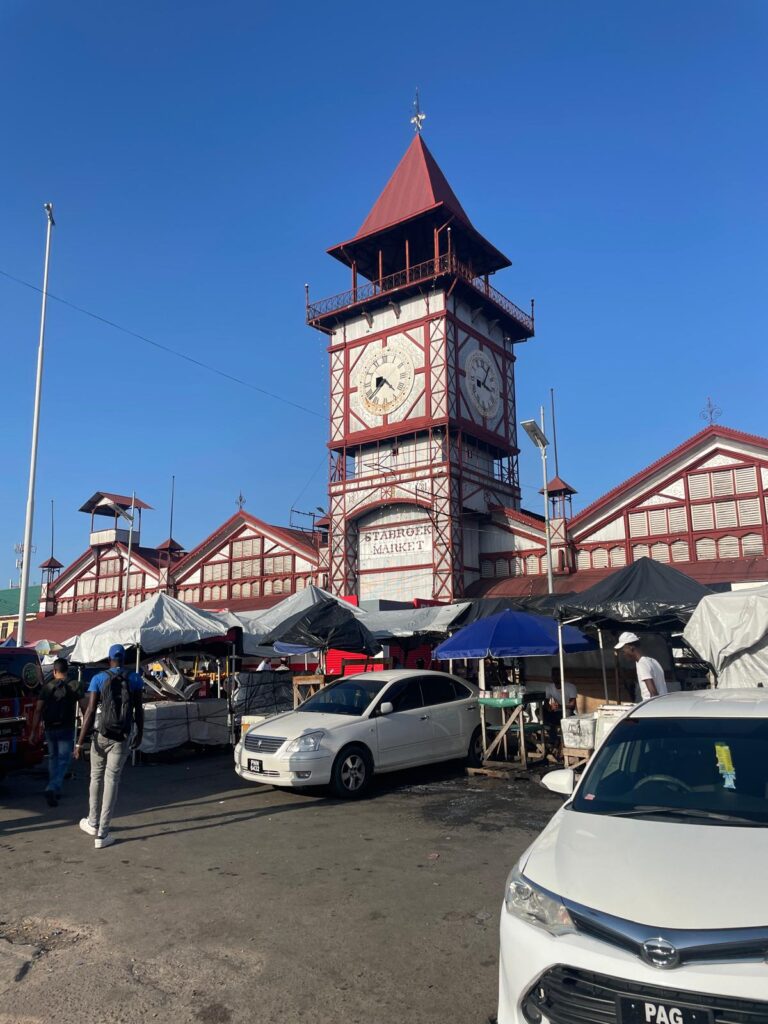
- Stabroek Market is an interesting culture experience
Lowlights:
- Ridiculously expensive
- One of the most dangerous countries in South America
- Very remote and hard to get to without spending lots of money
- Not really worth coming such a long way for
Unlike Suriname, I did actually find some parts of Guyana enjoyable.
The capital city Georgetown is not somewhere you want to spend a long time. It’s run-down, expensive, gets boring quickly and there’s a lot of violent crime there.
Although I would say it’s enjoyable for a maximum of two days.
There are even some fun things to do in Georgetown.
I’d recommend watching a cricket match at Providence Stadium if you get the chance.
Stabroek Market is also fun to explore. It’s one of the most interesting activities in Georgetown. However it’s also a pickpocket’s paradise and not somewhere you should visit with a relaxed attitude.
Guyana’s most famous attraction is Kaieteur Falls, the world’s longest single-drop waterfall at 226 metres or 741 feet.
Guyana lacks proper tourist infrastructure however, and companies offering tours to the falls are notorious for their unprofessionalism and not delivering what visitors expect.
Just like Suriname, Guyana has much more in common culturally with the Caribbean islands than Latin American countries such as neighbouring Venezuela and Brazil.
Unlike Suriname, I enjoyed aspects of Guyana. However it’s still not worth coming out of the way for, and at the time of writing it ranks as my second-least favourite country in the world (ahead of Suriname of course).
You can maximise the quality of a Guyana trip by hiring a private driver, and focusing on Amazon adventures as well as Kaieteur Falls (if you find a tour that actually goes ahead… not a guarantee here).
10) Brazil
Cost rating: 2.5/5
Danger rating: 4/5
Highlights:
- Brazil has great food for low prices
- There’s a lot to do here
- Brazil is rich in wildlife
- Some Brazilians can be very friendly
Lowlights:
- One of the most dangerous countries in South America
- You need a CPF (Brazilian tax number) to do many simple things
- Tricky to get around if you don’t speak Portuguese
- Such a big country that it takes a long time to get between places
Perhaps the first shock on this list. On my first Brazil trip in 2022, illness and other factors restricted me to just a week in Rio de Janeiro. On my second with my girlfriend in 2024/25, we spent over two months in the country and found it was a massive let down.
For starters, Brazil is famous for its beaches. And that was the first disappointment.
Aside from almost non-stop rain, we found the beaches in Florianopolis (one of Brazil’s top beach destinations) to be pretty boring.
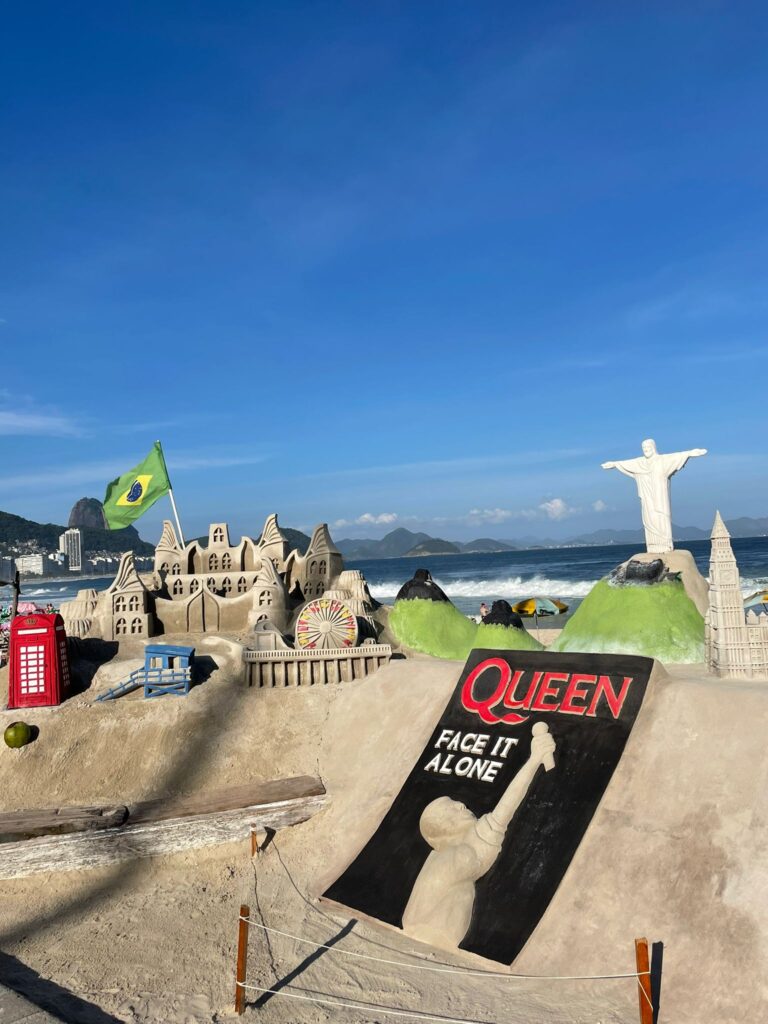
The most famous ones (Copacabana and Ipanema in Rio de Janeiro) are absolutely jam-packed with tourists.
Although I will say that sunrise at Copacabana with almost no one around was pretty special. Pro tip: head there at 5am. It’s surprisingly safe at that time, we only saw one dodgy character, but I guess that’s not much by Rio’s standards…
Then there’s the safety. Robbery and violent crime is common. I even have a friend whose friend was shot during a robbery at a hotel in northern Brazil. His girlfriend was killed in the same incident.
The south of Brazil at least is very safe. And we loved the two small towns of Gramado and Canela. In fact, we were shocked to see many buildings didn’t have bars on the windows. A rarity in Latin America.
Once you head up the coast towards São Paulo and Rio de Janeiro, these two cities are pretty dodgy, and you’ll end up spending half the time watching your back.
We were caught up driving through São Paulo’s infamous Cracolandia (crack land) at night. One of my most unpleasant travel experiences to date, and a real eye-opener…
In Rio you’re never more than a few minutes from walking into a favela. And these slums are known for being hostile to outsiders. Sometimes you can enter without realising, and you don’t want to add your name to the list of tourists who’ve been shot in these places in the past.
And I haven’t covered the CPF yet. This Brazilian tax number is needed for many simple tasks such as purchasing a SIM card, and buying bus tickets online.
Fortunately, you can buy an eSIM with Airalo, just as I did, and that will bypass the CPF nonsense.
Brazil is also pretty tricky to get around if you don’t speak Portuguese.
And the positives?
Well the food is incredible. Only Argentina, Paraguay and Uruguay do it better in this part of the world.
Find a churrascaria, and you will be able to tuck into all-you-can-eat steak for around £5/US$6.
Look for “buffet livre” (free buffet) and you’ll know you’re in the right place. If possible, try the cupim. One of the best cuts of meat you will ever have.
Brazil also has a lot of activities to offer. I’ve been twice now to Iguazu Falls on the Brazilian side. It offers a more panoramic view of the falls than the Argentinian side. I suggest spending a day on each side. Whilst the Argentina side has several trails, the Brazil side is pretty easy to fully see in a couple of hours.
Brazil also has the Pantanal wetlands and the Amazon rainforest which offer great wildlife experiences.
And Rio, despite its dangers, does have a lot of cool stuff to see and do. I love the views from the top of Sugarloaf Mountain. And of course, Christ the Redeemer is one of the Seven Wonders of the World. I’m also addicted to the guaraná-based drink Guaravita and love to enjoy that when I’m in Rio and surrounding areas.
Despite the positives however, Brazil felt like an overall negative. Of five weeks exploring, we maybe had three or four days that were genuinely enjoyable.
We then spent a month in Curitiba working. And whilst the food was amazing (Ponto Gira buffet/steakhouse is my top recommendation), our Airbnb host Ivana attempted to scam us out of £166 (US$224), and the weather was awful virtually every day.
Curitiba was a good base for working, but hardly a top travel recommendation. Despite that, Parque Barigui was a lot of fun. It’s full of capybaras! You need to arrive early though, as they’re morning creatures. The park is massive so it took us a while to find them, but they were all gathered around the sides of the giant lake there.
When I first wrote this post in March 2025, shortly after that 2-month Brazil spell, I said I have little appetite to go back there. But fast-forward to 2026 and I have rediscovered that appetite, and would quite happily give Brazil another go.
To call it the worst country in South America (outside the Guianas) seems harsh, as it does offer a lot. But the general feeling of unsafety means it cannot reach its potential without great changes.
9) Uruguay
Cost rating: 4/5
Danger rating: 1/5
Highlights:
- One of South America’s safest countries
- Great food (very similar to Argentina)
- A stable country with great banking options
- European-style feel and culture
Lowlights:
- One of South America’s most expensive countries
- Very boring
In some ways it feels harsh to rank Uruguay so lowly. It doesn’t do a lot wrong. It is one of the safest Latin American countries, has a European-style culture, and the food is decent.
The downside is that it’s a pretty boring country.
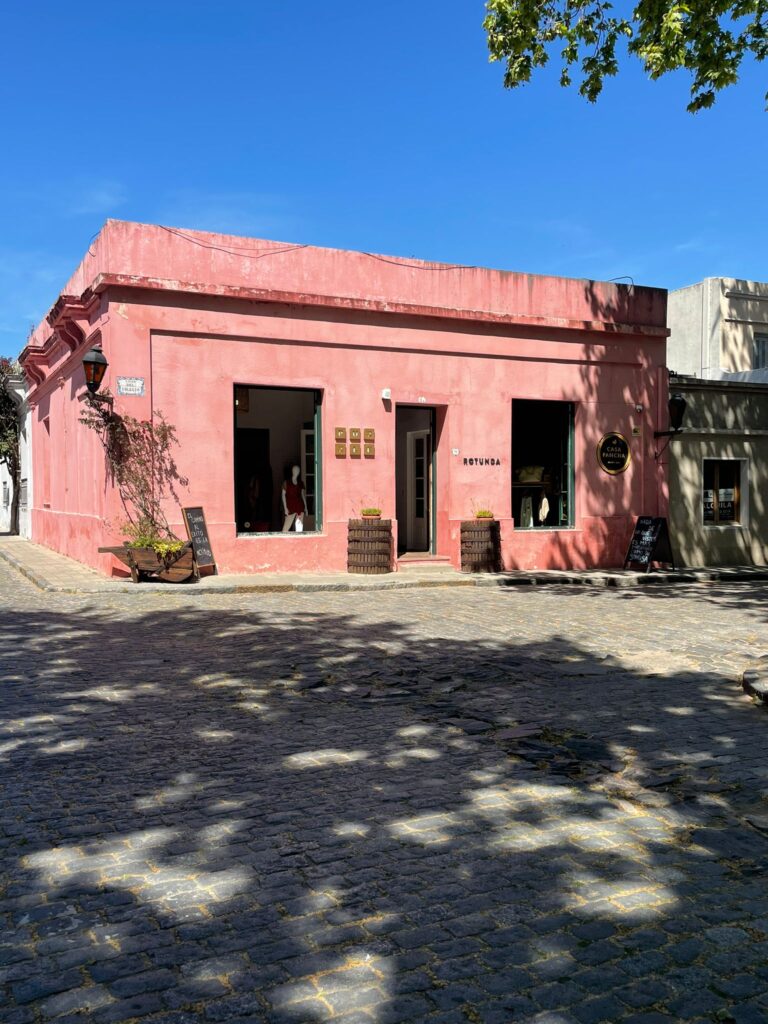
The small town of Colonia del Sacramento is a lovely day trip from Argentina. But a day is all you need to see everything.
Capital Montevideo is ugly and uninspiring. It’s also the one place in Uruguay which I would say is slightly unsafe. I spent 2 weeks staying in an Airbnb in Ciudad Vieja, and several rowdy drug addicts came out before the sun had even fully set. They were acting very odd and intimidating people walking by, myself included.
Search for Montevideo online, and you will probably see the impressive architecture surrounding Plaza Independencia. Walk through the streets in person however, and you will be surrounded by decaying buildings covered in graffiti…
Uruguay has a lot in common with next-door Argentina. But it lacks the glamour of its neighbour, and has generally been a more expensive place to visit.
Think of Orlando in Florida with all the Disney theme parks and associated attractions.
Then imagine the same place, but with all the attractions stripped away.
That’s Argentina vs Uruguay. One country, Argentina, is incredibly interesting and full of fun activities. Whereas the other, Uruguay, is like a clone of Argentina without most of the things that make it good.
Uruguay is an attractive country for businessmen due to its favourable banking systems. But from a travel perspective, that’s unlikely to benefit you in any way.
Uruguay is also more expensive than Argentina, although its neighbour has recently seen rapid price increases, and isn’t far behind on costs now.
Uruguay is a country that’s easy to forget about. If it was a football manager, it would be Sam Allardyce or Tony Pulis. Pragmatic, but uninspiring.
I don’t dislike Uruguay. I just don’t think there’s enough of interest to really like it either. Every good thing it does have is even better across the border.
8) Ecuador
Cost rating: 2/5
Danger rating: 4/5
Highlights:
- Home to the Galapagos Islands
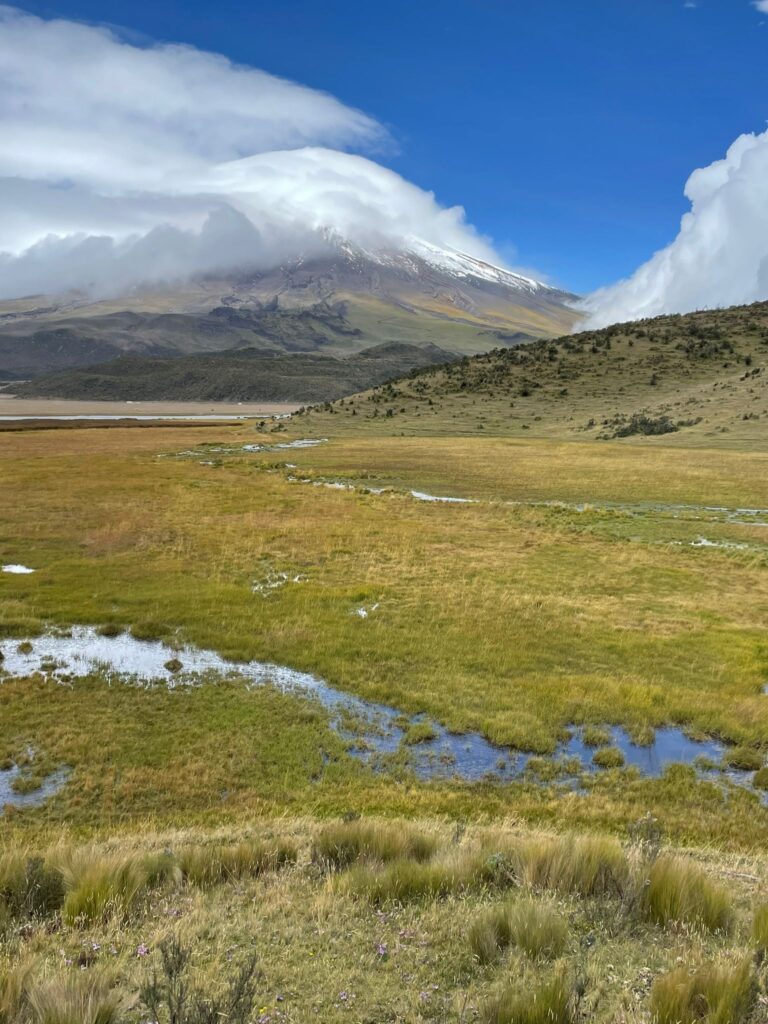
- A lot of incredible places including Cotopaxi Volcano, the Quilotoa Loop and the Amazon Rainforest
- Fairly affordable
Lowlights:
- Dangerous on the mainland, especially in the big cities
- Weather can be unpredictable in the mountains
- The Galapagos Islands are very expensive to visit
There’s not a lot I dislike about Ecuador. But the one thing which makes it plummet down this list is the lack of safety.
In July 2022 I was almost mugged on the streets of Quito. To date, my scariest ever travel experience.
Whilst I survived unscathed, that incident left a nasty taste in the mouth. And it turns out, I wasn’t just unlucky. Ecuador has a lot of problems with violent crime.
Worse still, things have gone downhill further since January 2024 when conflict broke out between a drug cartel called Los Choneros and the government.
The city of Guayaquil in particular is effectively a no-go zone now. I went there in 2022, and an Ecuadorian football fan who I met at the Qatar World Cup thought I was mad.
With the escalation of violence, I’d not want to go to the mainland now.
It’s a real shame, because Ecuador has a lot of natural beauty.
It is also based on the equator (which is where the name “Ecuador” comes from) and the equator monument in Quito was an incredibly fun place to visit. There’s a lot going on there including museums, activities, educational tours demonstrating what makes the equator special, and more.
Ecuador’s most famous tourist attraction is the Galápagos Islands. And the good news is that unlike the mainland, they are very safe to visit. Although there is a whopping US$200 entry fee for adults these days…
If Ecuador was a safe country, it would probably be a lot higher on this list. Perhaps even one of my favourite countries in the world. Like Brazil, Ecuador has a lot of potential if it gets its act together.
7) Paraguay
Cost rating: 2/5
Danger rating: 2/5
Highlights:
- Friendly, laid-back culture
- Great food
- Good weather for most of the year
- Fairly cheap to visit
Lowlights:
- Not many major tourist attractions
- Not particularly well-connected with other countries
- Accommodation can cost a little more
Paraguay is great. A country I’ve spent several months in, and a real hidden gem in South America. My girlfriend is from here, which means I’ve got to know Paraguay much better than almost every western tourist in recent years, and seen places well away from what might be considered a “tourist trail” if the country had more tourism than it does.
Neighbouring Argentina, Brazil and Bolivia take all the plaudits. And in all fairness, those three countries have a lot more to see and do than Paraguay, but this underrated country is worth adding to your South America itinerary.
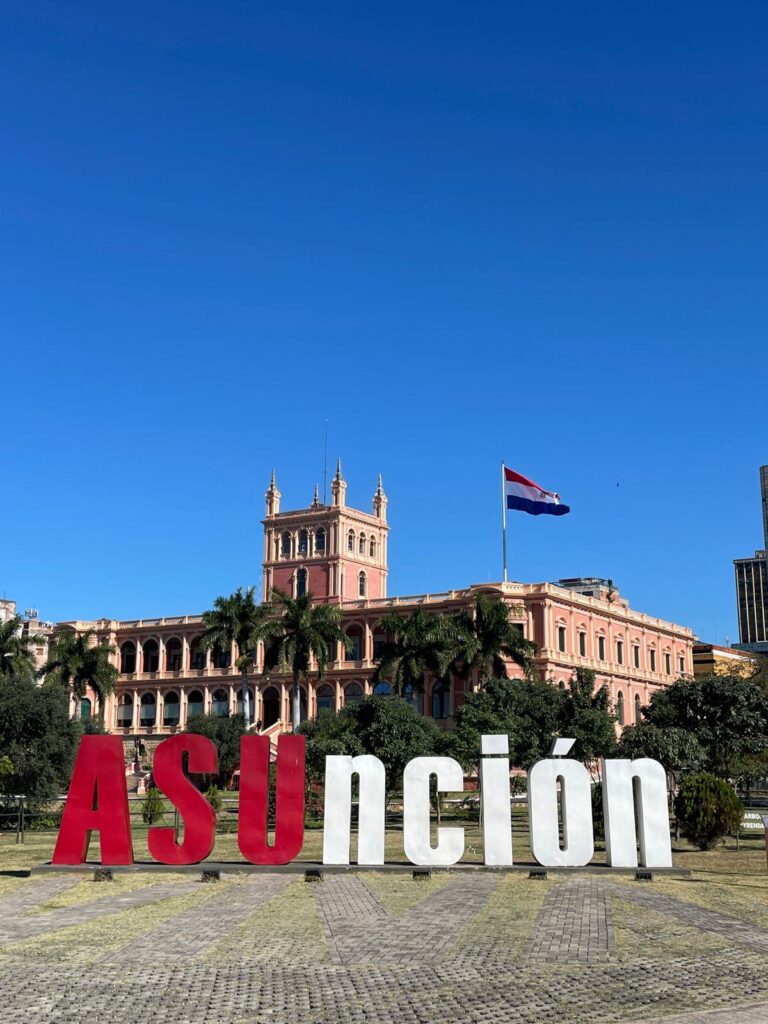
The food is great, particularly in Asuncion. Check out some of Paraguay’s best restaurants in the capital and you will see what I mean. You can get all-you-can-eat steak for £10-£20 (US$24-US$27). The quality is world class and is honestly my favourite thing about Paraguay. You come here for the food and culture over any tourist attractions.
One of my favourite places to visit is the vast Chaco region. It’s rich in wildlife and home to many indigenous tribes. I went to see the Toba people and observe life in their village which was pretty cool.
They combined old-school agriculture with an alternative take on Christianity which included worshipping an “indigenous Jesus”. Definitely not something I’ve seen before.
Paraguay’s most notable attractions are the Jesuit missions, the Itaipu Dam, and the Saltos del Monday waterfalls.
The latter is overlooked, because it’s close to the borders with Argentina and Brazil, and you can see the much more famous and spectacular Iguazu Falls from those countries.
Saltos del Monday falls are still worth a trip in my opinion. We were the only tourists there, and that’s definitely not the case in Iguazu.
I could go on and on about Paraguay, but we’d be here all day. Come up with a 7-day Paraguay itinerary to keep you occupied. You probably don’t need much more time than that here.
6) Chile
Cost rating: 4/5
Danger rating: 2/5
Highlights:
- Spectacular scenery in Patagonia
- Atacama Desert has a lot going on, including awesome astronomy tours
- Mostly a very safe country
- Easter island is a serious bucket list destination
Lowlights:
- Chile is pretty expensive
- Capital Santiago isn’t very safe
The first time I went to Chile, I didn’t like it. And that’s because I went to three places: Atacama Desert which I couldn’t enjoy due to injury, Easter Island which was incredible, but doesn’t feel like “real” Chile, and capital Santiago where I spent most of my time, and this city really isn’t fun. Getting tear gassed during a riot outside my hostel capped off a miserable time there. I’ve since been told numerous stories of muggings in Santiago too.
But then I went back to Chile in late 2024 and completely changed my opinion. Torres del Paine National Park in Chilean Patagonia was absolutely magical. And I finally got to see the best of Atacama Desert. Suddenly Santiago was just a small negative footnote in an otherwise amazing country.
We arrived in Atacama on the back of a 3-day tour from Uyuni in Bolivia. I highly recommend taking that same tour if you ever get the chance. I don’t recommend Uturunku Travel however, as our guide seemed quite happy for me to drop dead from altitude sickness… That’s a story for another day.
In Atacama you can see lagoons filled with flamingos, float in salt water, enjoy lunar-style landscapes in the Valley of the Moon, and see the moon and even Venus during a really interesting tour led by astronomy experts who are attracted to Atacama as it has some of the clearest skies on earth.
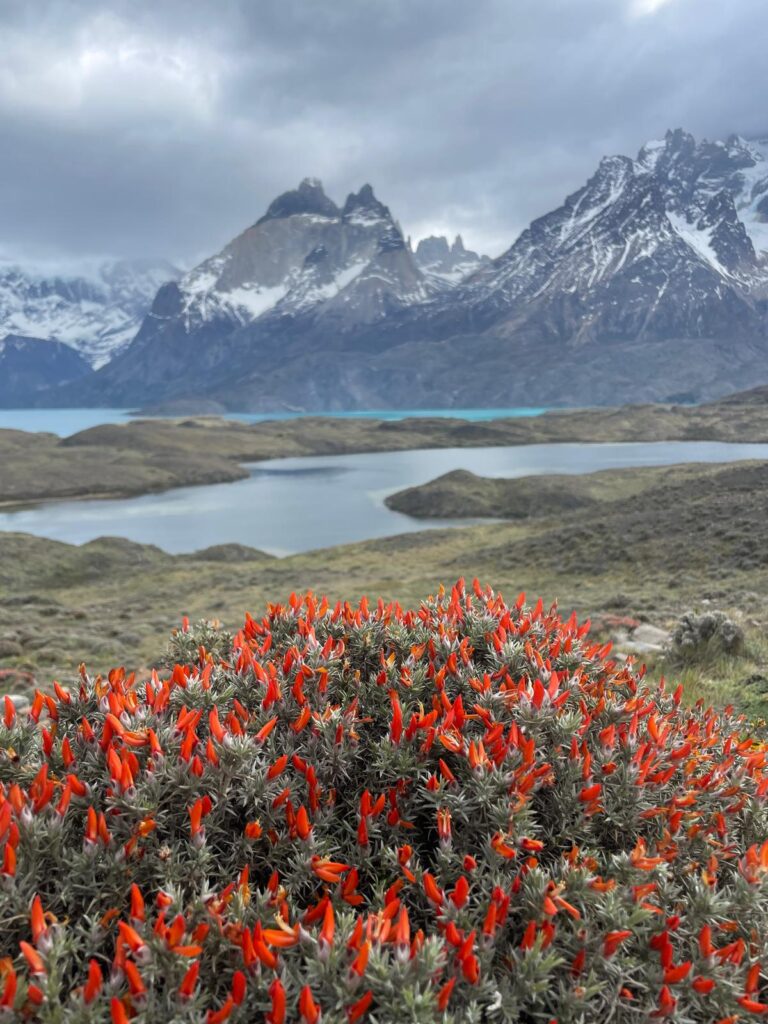
Torres del Paine is a strong contender for the most beautiful place on the planet with its turquoise waterfalls and stunning mountain views. Not to mention the wildlife.
We even had a puma run in front of our tour vehicle at one point. Really awesome stuff.
Easter Island is magical. Although it is officially part of Chile, it’s geographically and culturally more Polynesian. Rapa Nui as the locals call it, is a 6-hour flight from Santiago. Serious bucket list stuff, but it may be hard to squeeze into your South America itinerary without deep pockets and a few spare days.
Santiago was Chile’s only disappointment really. A gloomy graffiti-covered dump with regular riots taking place. One of which I accidentally got caught up in as previously mentioned.
Spending too long there the first time around, and falling ill whilst there meant I didn’t like Chile during my first visit. But I’m very glad I gave this awesome country a second chance!
The top 6 countries on this list are all incredible and they each deserve to be in the “best country in the world” debate, not just in a “best of South America” list.
5) Venezuela
Cost rating: 4.5/5
Danger rating: 3/5
Highlights:
- Safari at Hato El Cedral is an incredible experience
- Venezuela is much safer than expected
- Very few tourists around, meaning it has a much more authentic feel compared to many other countries
- Really interesting history
- Very warm and welcoming locals
- Generally has good warm weather
Lowlights:
- Very expensive. Some prices in supermarkets are the most ridiculous I’ve ever seen
- You need to bring lots of small dollar bills. Receiving the right change is rare here
- Expect lots of questioning whilst entering and leaving the country
- Dangerous if you go near the Colombia border, or say anything negative about the government
- Tricky country to visit without a fluent Spanish speaker
- Limited supply of decent accommodation options
Venezuela was the country that surprised me most in South America.
It was far safer than expected, which was a complete contrast to seeing the country finish rock bottom on “most dangerous country in the world” lists, behind even the likes of Haiti and Afghanistan. Although to be fair, I’ve since been to Afghanistan, and that was surprisingly safe too!
Whilst having a local guide in Caracas and a Spanish-speaking girlfriend helped massively, I didn’t experience much hassle in the country.
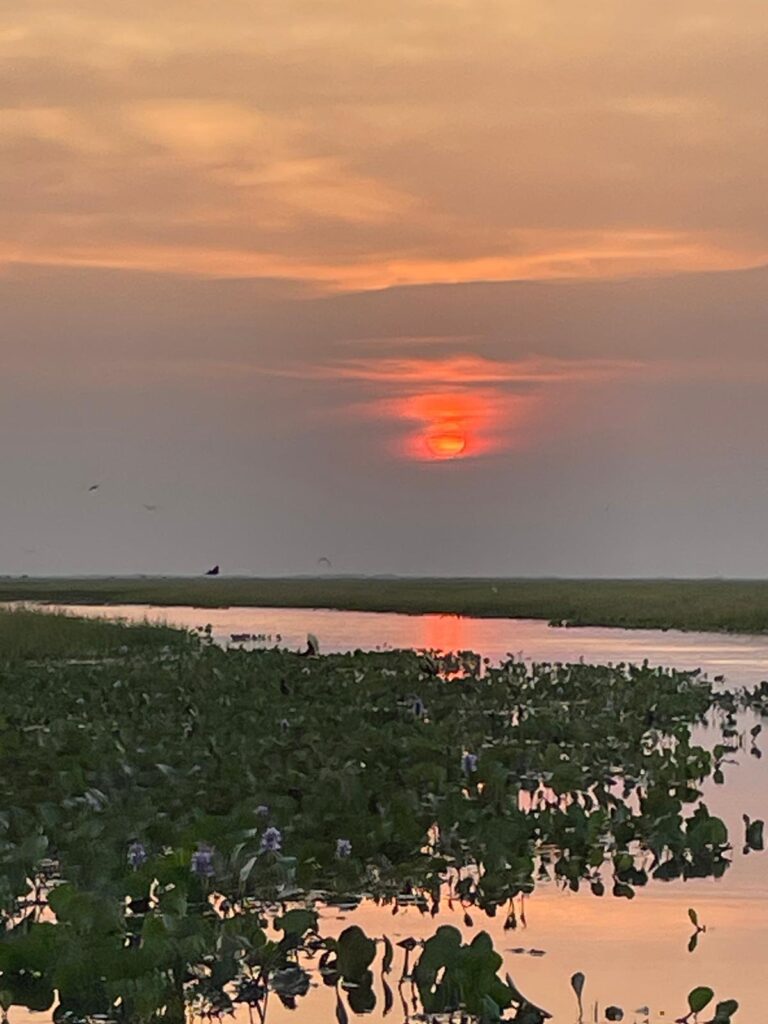
Venezuela’s highlight was undoubtedly safari at Los Llanos. We stayed at Hato El Cedral for three days and had one of the most memorable experiences of our lives.
Highlights included spotting an anteater, holding an anaconda, riding horses and fishing for piranhas among other things.
Caracas was also far safer than expected. I will say however that prices for some things were absolutely ludicrous. You can buy a bag of crisps for US$30. And there were many other items for similar prices including a pot of M&Ms and some nuts.
It’s interesting walking around Caracas and seeing all the propaganda promoting former President Nicolas Maduro, his predecessor Hugo Chavez, and “friendly” countries including Russia, Cuba and Iran.
We were told Venezuelan people don’t actually support any of that, and it’s all about sending the message the government wants to spread.
Caracas also had really friendly people. We found it much safer than other Latin American cities we’d visited in the previous few months such as São Paulo, Rio de Janeiro and Bogotá which is where we flew to Venezuela from.
Logistics are a little more challenging here. The main bus terminal to Hato El Cedral (La Bandera) was full of pests outside trying to lure you towards their bus companies, taxis etc. You shouldn’t trust these guys though, and should instead purchase tickets at an official booth inside the terminal.
Buses leave infrequently and companies love to tinker with the timetables on the spot, so getting accurate information on departure times can be a challenge. I’d advise swapping WhatsApp numbers with companies and getting them to inform you of schedules.
This is one of many Venezuela tips for travellers that you should know before visiting.
Venezuela is absolutely not a South America beginner destination. You should come with a clear itinerary written out, avoiding mentioning any links to journalism or the military (or blogging!), speak fluent Spanish or travel with someone who does, and manage your money carefully here, whilst brining lots of small dollar bills to make life easier.
However, I update this post shortly after Nicolas Maduro was captured by the USA. This event has plunged Venezuela into a period of uncertainty, with Maduro supporters hunting down US sympathisers on the streets, and no clear path to freedom at this stage.
I’d recommend NOT visiting Venezuela until the current situation calms down, the arbitrary detention of tourists has stopped, and South America’s last remaining paradise can taste freedom for the first time this century.
4) Colombia
Cost rating: 2/5
Danger rating: 3.5/5
Highlights:
- Some of the best natural attractions in South America
- Fun cities like Medellin, and many scenic small towns to visit
- Very friendly locals
- Colombia is an affordable country
- Great climate, with something for everyone in different parts of the country
Lowlights:
- Crime has been an issue for a long time, and it’s been getting worse in the last few years after gradually decreasing since the 1990s
- You will need lots of US dollars to exchange, unless you fancy paying lots in ATM fees
Colombia is great. When I first arrived in June 2022, it was my 30th country and quickly became my favourite in the world. Although as its ranking on this list suggests, it has since been overtaken.
There really is something for everyone in Colombia.
The capital Bogota is cold and gloomy, has a bit of an edge to it, and doesn’t feel particularly safe. Some people love it though, I even know expats who chose to live there.
Medellin is known as the “city of eternal spring” due to its consistent year-round warm weather (albeit with a fair bit of rain).
I love Medellin because it’s such an interesting city. Seeing the transformation from the most dangerous place in the world during Pablo Escobar’s early 1990s heyday, to a culture and arts hub today is really fascinating.
You should take a tour of Comuna 13 to see just how much things have changed there.
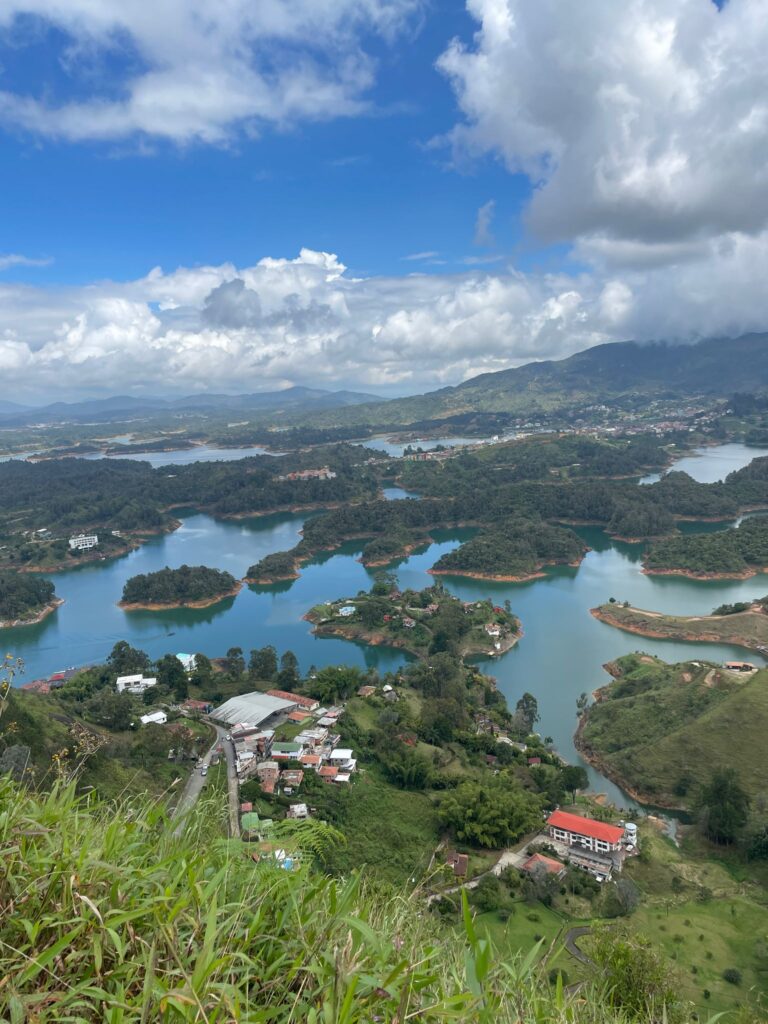
A day trip to Guatape should also be on any Medellin itinerary. There’s a giant rock with stunning views of the surrounding lakes, and one of the most picturesque towns I’ve ever seen. Colombian small towns tend to be very colourful and fun to visit.
Don’t walk between the rock and town however. A suspicious motorcyclist saw us doing just this, stopped right in front of us at a point where no one else was around, and we were lucky that a tuk tuk came around the corner at that moment, which we were able to flag down, and make a rapid escape with.
Head up to the Caribbean coast if you love warm weather and beaches. Cartagena is a sunny spot on the coast with some nice architecture. But it’s pretty touristy and you can expect to get pestered… a lot.
Along the coast is Santa Marta. A good base to explore the likes of Minca, a nice little spot full of waterfalls, and Tayrona National Park, a jungle which is home to lots of cool wildlife and the indigenous Kogi tribe wandering around in white robes with bare feet.
Another highlight of Colombia is the coffee region. Aside from the obvious (coffee), it’s really cool to visit the Cocora Valley which has a mystical vibe and some unique scenery with its giant palm trees and foggy skies. One of the more enjoyable hiking spots in Colombia.
We also stayed on a coffee plantation for a couple of nights (known as a finca) which allowed us to relax in the countryside, away from city life and immersed in nature. An enjoyable way to wind down for a bit. What wasn’t so enjoyable was the gargantuan spiders that lived here at night. Kinda took the shine of the experience in some ways!
Colombia has very friendly locals, and it’s one of South America’s cheapest countries. Only Peru and Bolivia are more budget-friendly than Colombia (Paraguay is around the same).
It is a country with a reputation for violent crime. But you shouldn’t have any problems if you take basic safety precautions and avoid border regions.
The areas around the Ecuador and Venezuela borders are notoriously dodgy, and the Darien Gap which separates Colombia from Panama is one of the most dangerous places in the world.
Travel in Colombia is not like being airdropped in the middle of Mogadishu. But it’s not quite Singapore either.
Therefore I’d advise reading this safety guide before your trip, as Colombia is one country that does require extra care. I initially wrote the guide for solo travellers, but really most of the advice applies to any traveller.
3) Bolivia
Cost rating: 1/5
Danger rating: 2/5
Highlights:
- La Paz is one of the world’s most unique and interesting places with the likes of a Witches’ Market and Cholitas Wrestling
- The Uyuni salt flats and Bolivian altiplano are magical destinations
- Cheapest country to visit the Amazon Rainforest
- A black market means exchanging US dollars gives you a very favourable rate, making South America’s cheapest country even cheaper
- A really interesting Andean culture
- A very fun country overall
Lowlights:
- High altitude makes Bolivia a tricky country for many, as it’s easy to become ill
- Regular protests have been known to cause disruption and block roads leaving tourists stranded
- It’s one of South America’s most rugged countries, and healthcare facilities are very poor if you need them
- Bolivia has a number of safety issues including dangerous roads, and tours with no safety standards
Bolivia is absolutely bonkers. If you’re looking for a country where you can watch middle-aged indigenous ladies wrestle like WWE stars, or visit markets unironically selling tools for witchcraft (including dead llama fetuses), then you’re in the right place.
Bolivia is my favourite country in the world for culture. It’s so unique and there’s always some sort of street parade or entertainment taking place.
This is also the cheapest country in the Americas, and one of the cheapest in the world. In fact if I said Bolivia was THE cheapest country in the world, I would have a strong argument.
A decent meal will cost around £2/US$3 and a 6-hour bus from Villazon on the Argentine border to Uyuni cost just £4/US$5.
Part of the reason for this is that Bolivia is desperate for dollars, meaning you can exchange US dollars at very favourable rates for almost double the official rates. You can do this at most exchange stalls, so it’s not a particularly shady practice as the term “black market” may suggest.
Bolivia was super cheap during my first visit in 2022, before this black market came into existence. And now the most affordable country on the continent is even more budget-friendly.
And the good news for Americans, who previously had to pay US$160 for a visa, is that Bolivia became visa-free for you guys in December 2025, so you can enjoy this wonderful country just like the rest of us, without having to overcome expensive barriers.
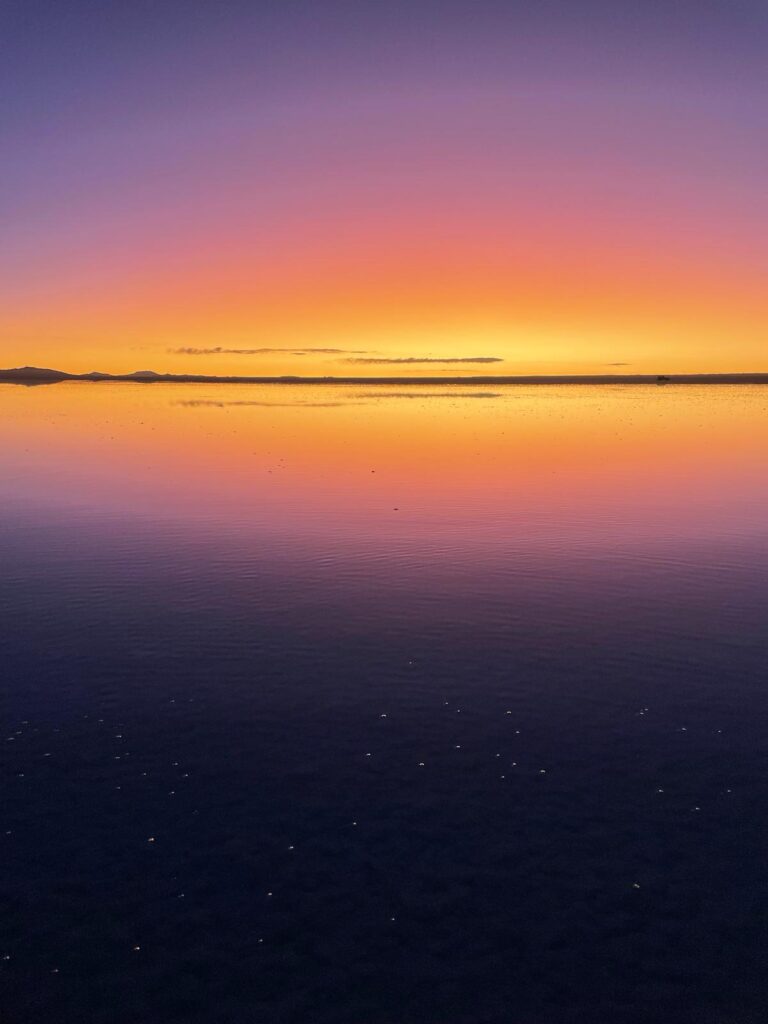
I haven’t even mentioned the Uyuni salt flats or wider Bolivian altiplano yet. Mountains, lagoons, geysers, thermal springs, and so much more to see.
Bolivia has some of the most magical landscapes in the world and is probably one of the most underrated countries on the planet given that it’s often overshadowed by neighbouring Argentina, Peru and Brazil. Bolivia rivals Argentina for the title of the most beautiful country in South America.
The main negative is that much of the country is at high altitude. In fact, El Alto (right next to La Paz) is the highest major city in the world.
Altitude can be nasty. At best you will often find yourself short of breath, your phone battery will drain faster (something that happens at altitude), and you will feel the impact of alcohol quicker than usual.
At worst, high altitude can be deadly.
I absolutely loved travelling through the Bolivian altiplano from Uyuni to Chile’s Atacama Desert, but I suffered heavily on the final day as we drove up to some geysers where I developed a nasty headache and nausea.
Fortunately, I recovered as we went back down to lower altitudes and had a nice warmup in the thermal springs we later found. This was despite our useless guide from Uturunku Travel doing his best to ensure I went home in a coffin…
Bolivia is a country where you should spend a few days acclimatising at higher altitudes before doing anything strenuous.
Also, there’s a tendency for locals to protest and block roads here. It happens occasionally in Ecuador and Peru too, but can cause real inconvenience for travellers. We were caught up for 5 hours in one such incident when we took a bus from La Paz to Rurrenabaque. We were lucky. In the past, these roadblocks have lasted days or even weeks.
We could have been stranded in the middle of nowhere and had to walk for hours, or even days, to pass the roadblock in the worst case scenario.
Overall however, Bolivia is one of the best countries in the world. The challenges it offers are worth it for spectacular rewards.
2) Peru
Cost rating: 2/5
Danger rating: 2/5
Highlights:
- One of the best countries in the world for hikes and mountain scenery
- Incredible Inca history and culture
- Diverse landscapes ranging from the mountains, to the desert, to the Amazon Rainforest and much more
- Great culture with locals dancing in the streets being a regular sight
- One of the cheapest countries in South America
Lowlights:
- Altitude sickness is a real problem in Peru, and many tourists will be affected to varying degrees
- Weather can be pretty chilly at times
- ATMs rarely let you withdraw more than 400 soles (just over £80 or US$100) a day, and most have high fees now
Peru is a country I’ve been to twice now. If I ranked it individually on each visit, it would be one of my top three in the world on both occasions. I love, love, LOVE Peru. It’s fantastic.
The land of the Incas is one of the most interesting countries on the planet.
We can’t talk about Peru without mentioning Machu Picchu. Although if I’m honest, I found the journey more rewarding than the destination here. Especially during my first visit, where I did the 5-day Salkantay trek across 80km through snowy mountains, humid jungles, and everything in between.
The buzz you get from completing such a challenge is incredibly satisfying, even if my legs were like jelly by the end of it.
Machu Picchu itself is crowded, and in the high season, guards will encourage you to move through quickly leaving little time to enjoy the site.
In the low season, there’s a higher chance of fog obscuring the views. During my March 2025 trip, I wasn’t able to get any good photos due to the fog. In July 2022 there was some fog, but I was at least able to see it.
Machu Picchu is still cool. However there is much more to Peru than its most famous destination.
The Sacred Valley is rich in history, has several cool archeological sites, and has a lot to offer for a 1-2 day trip. Chinchero was nothing special, but Moray and Ollantaytambo were cool, and the Maras salt mines would’ve been more fun in the right season (they were brown rather than white during our March visit).
Pisac was the highlight of the Sacred Valley. An awesome set of Incan ruins, several alpacas roaming through, and a fun little town at the bottom too.
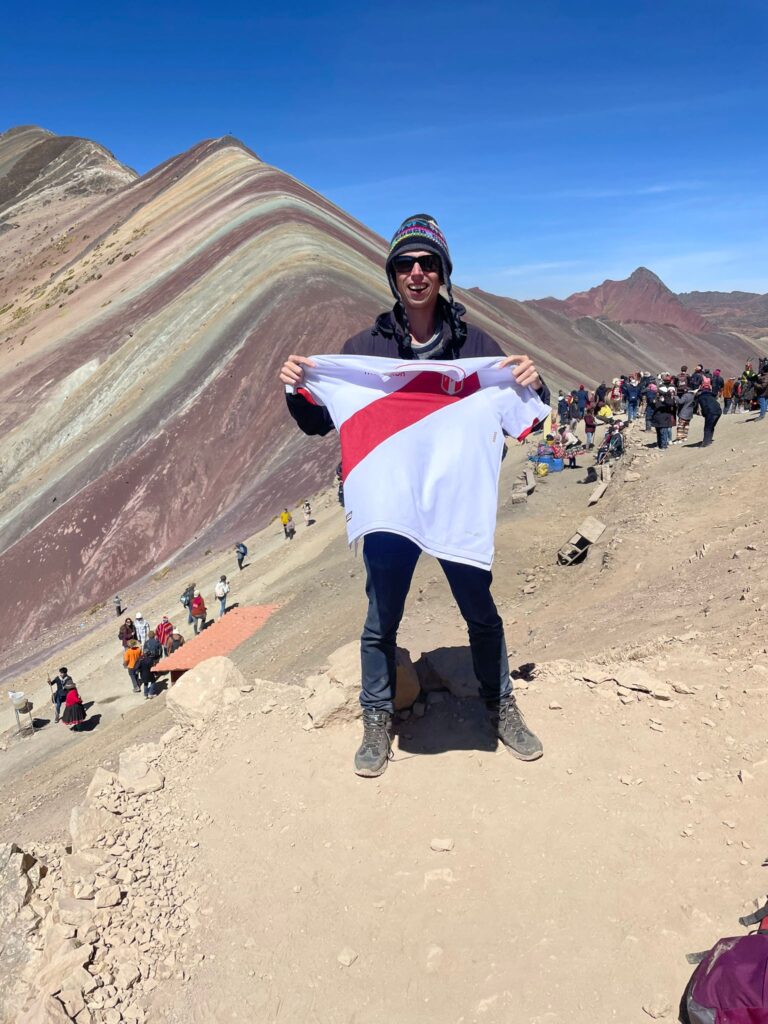
Rainbow Mountain (Mount Vinicunca) was great to visit. High altitude is definitely a problem there though. In July 2022, one of my climbing buddies struggled on the way up, and another fell ill when we returned to Cusco in the evening. In 2025, both myself and my girlfriend felt unwell at various points during the day. Altitude can strike you down at random.
The desert oasis of Huacachina, beautiful Arequipa and Paracas which is home to the “budget Galapagos Islands” are also places that belong on your Peru itinerary.
You can even visit Lake Titicaca on the Bolivian border and spend a night (or more) with the indigenous Uros people.
Your main base for many of the major Incan archeological sites and mountain treks will be Cusco.
Cusco is one of my favourite cities in the world and there’s always some sort of cultural performance taking place in the main square (Plaza de Armas).
Cusco is very safe, unless you’re out in the twilight hours when the drunks start staggering out of the bars. Some of them tried harassing my missus when we got up early for a tour, which wasn’t a pleasant experience.
It is a city where you will most likely suffer from problems with the pesky a-word at some point: altitude. Hopefully these will be minor. Locals swear by coca leaves and coca tea to alleviate the impact of altitude sickness, but I’ve never once felt a difference after consuming these. It seems to be a bit of a myth really.
Peru is a country with a lot of magic, and the second-cheapest country in South America after Bolivia. It’s pretty safe aside from some very remote areas that no tourist will end up in without deliberately trying.
I’m certainly not the only person to rank Peru as one of the best countries in South America. There’s something really fun about the entire Andean region.
1) Argentina
Cost rating: 3.5/5
Danger rating: 1/5
Highlights:
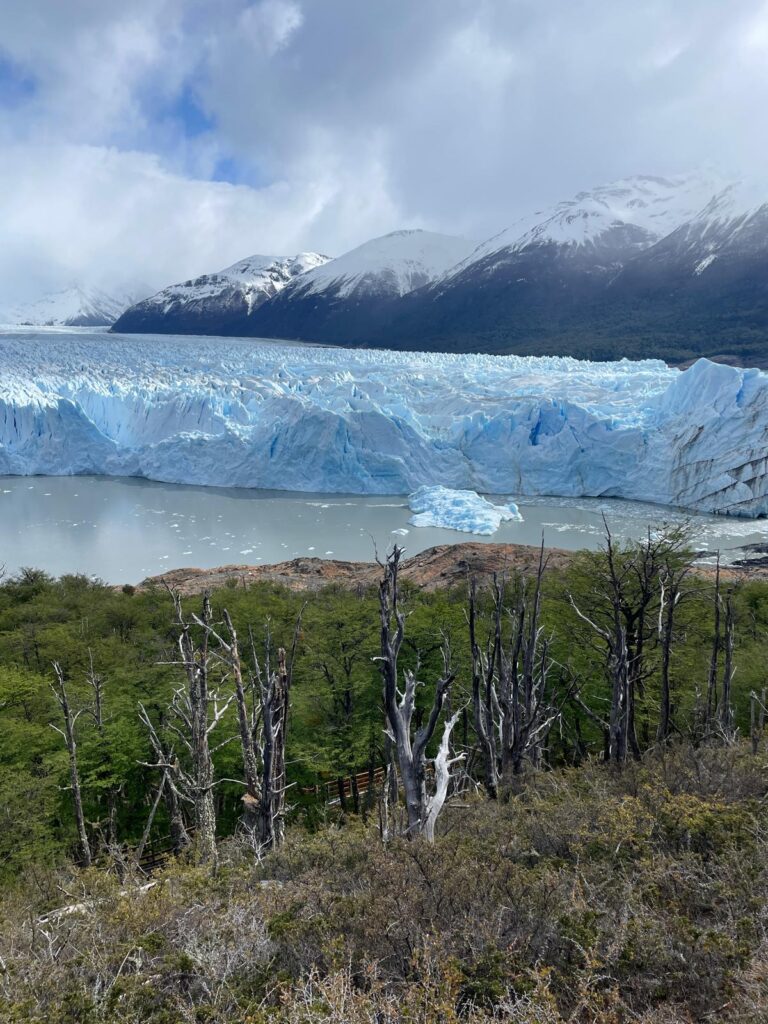
- The best landscapes on earth, with highlights including Perito Moreno Glacier and Iguazu Falls
- The best food in the world without doubt. Don’t miss out on Argentine parrilla
- One of South America’s safest countries
- Has better amenities than most South American countries
Lowlights:
- Argentina is so big that it can take at least a day to take a bus between two places
- The economy is unstable and prices change often multiple times a week
Argentina is the best country in South America to travel to. If you spend a few months here as we did, some of the landscapes and nature here will blow you away. Even with the nature, Argentina is home to many of South America’s greatest cities.
In fact, I would say it’s the best country in the world.
You can watch the ice crash into the water below at the mesmerising Perito Moreno glacier, walk amongst penguins at Punta Tombo, enjoy amazing chocolate and alpine-style scenery in Bariloche, or hike up glaciers in Ushuaia, and take a boat ride across the wildlife-rich Beagle Channel.
Oh, and that’s just Patagonia.
The wine region around Mendoza is well worth a visit. A wine tour is great fun. Just don’t get carried away with the free samples as we did… South America’s highest mountain, Aconcagua is also nearby, and the city of Mendoza itself is home to El Asadito, my favourite steakhouse in the world. Order the parrilla there and thank me later.
Then you have Salta in the northwest. A city that has more in common with the Andean countries (Ecuador, Peru and Bolivia) than the rest of Argentina.
Near Salta is Cafayate, a small town famous for its tasty alfajores at Calchaquitos. We also had a lot of fun finding a taxi driver to take us up some sand dunes just outside the town.
Then you have the spectacular Iguazu Falls on the Brazil border, and capital Buenos Aires which is a great place to enjoy staples of Argentine culture including steak, wine, tango dancing and football.
Speaking of steak, Argentina is the best country on earth to tuck into this delicious meat. To be able to make a good steak is a source of pride amongst Argentine males. And their hard work really pays off, because the steak here is absolutely sublime.
Argentina is the only country I would fly halfway across the world for, purely to eat the local food.
It is also home to several of the safest cities in South America.
Now it’s not all good news. Argentina has suffered from years of economic disasters, and the currency loses value fast.
Whilst President Javier Milei has taken big steps towards fixing the economy, he still has a very long way to go, and prices have shot up recently as he attempts to combat inflation.
During my first Argentina trip in 2022, you could exchange US dollars for pesos on the black market and receive 100% more than you would by swapping at an official location.
Nowadays, the black market will only give you less than 5% more. And it is likely to go down further in the very near future.
I wrote a guide on getting the best exchange rates in Argentina. Give that a read before your trip to ensure you’re well prepared.
A bit of hassle over the money is only a minor nuisance however. This country is truly special, and I will quite happily call Argentina the best country in South America to travel in.
Unlike some other places on the continent, Argentina is one of the safest countries in South America which also make it a perfect beginner spot for newbies to the region.
More Posts on South America
- The Safest Countries In South America: Ranked
- Best Countries In South America To Travel To: Ranked
- Central America Or South America: Which Is Better To Visit?
- What Are The Best South American Countries For First Timers?
- What Are The 10 Safest Cities In South America?
- A Budget 6-Month South America Itinerary: From my Experience

Lovely writeup! I have heard similar things about the Guyanas. My only disagreement would be Colombia, which you put much higher up than I would. Medellin feels cheap and touristy to me!
This has me already planning my next trip to Argentina…
Thank you!
Haha, I loved Medellin but can definitely see it isn’t for everyone.
You can never go wrong with Argentina!