
The 31 Cheapest Places to Travel to in the World

Disclaimer: Some links on this page may be affiliate links. If you purchase anything through them, I will receive a small commission at no extra cost to you! Further details in the Privacy Policy.
Travelling to every country is a goal that hits the bank account hard. But for every Switzerland, where a small meal might cost the same as a large palace in Bolivia, there’s a Bolivia where a large palace may cost the same as a small meal in Switzerland.
Since I started turning travel into a lifestyle in January 2019, I’ve discovered some of the cheapest places to travel to on earth. Places where someone from the USA, Canada or Western Europe can live in relative luxury, even on what would be considered a low wage in their home country.
Great news if you’re a digital nomad entering the world of geoarbitrage, but also particularly fruitful for low-budget travellers who have saved up and want to stretch their pennies a long way.
Firstly I’ll tell you which parts of the world to avoid: Africa, the Caribbean, Canada and the USA, Western Europe, the Nordic countries, the Middle East and Oceania.
Almost every country in each of those regions is expensive, with a small handful of exceptions.
The regions where you can really travel cheap are Central America, South America, Eastern Europe, Central Asia, South Asia and much of East Asia (including the popular southeast).
Here I’ll give you the cheapest countries to visit as tourists, having been to every single one on this list. I’ll add countries in the future as I visit more budget-friendly parts of the world.
I’ll give approximate costs for each country based on how much you need to enjoy your trip with a reasonable level of comfort. Of course, your spending will vary depending on your travel style, but this is aimed at helping budget travellers in affordable countries.
Costs will cover average accommodation for one person in an okay place, food and drink for the day, and transport and activities averaged out across a trip. I’ll also give a rough overall daily cost for each country.
Activities are the hardest to account for, as what you do depends on what you’re interested in, but the assumption I’ve made here is that you will generally do the most popular things in each country without spending a lot of money.
I’ve taken safety into consideration too, so these daily average costs are based on the cheapest way to travel without potentially putting yourself in danger. Some countries on this list such as Honduras and Guatemala can be done for less than the costs I’ve provided if you’re willing to take more risks.
The cheapest country on this list can cost as little as £9 (US$12) per day. The most expensive is still only £45 (US$59) which is a single meal in some pricier destinations.
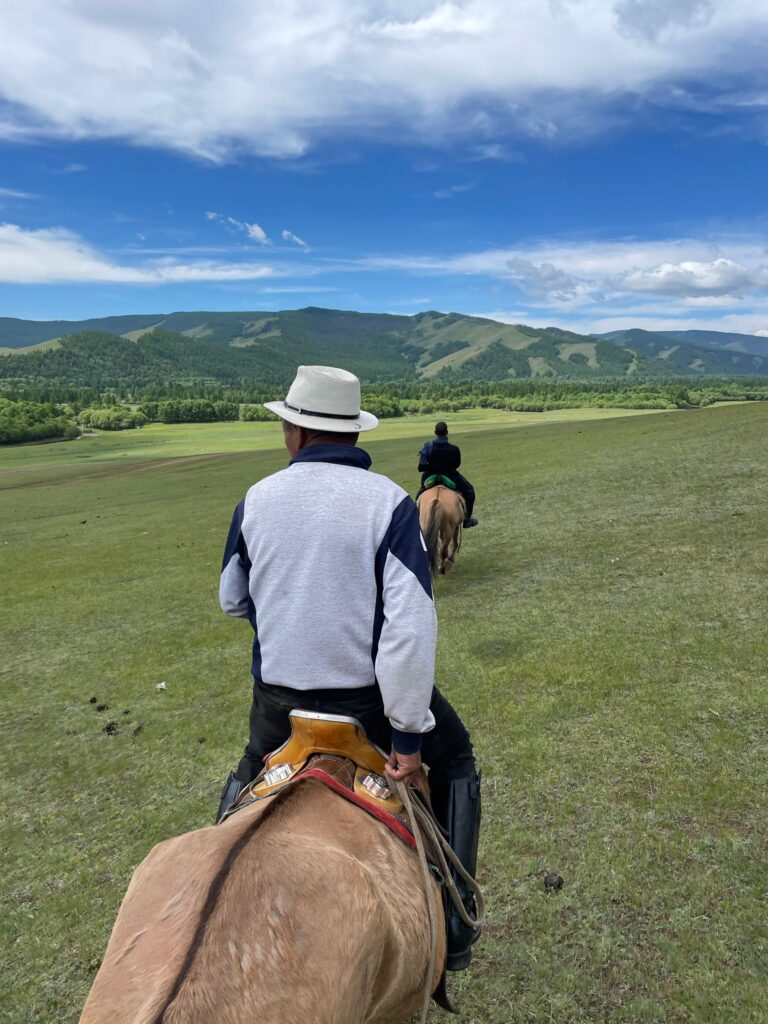
Central America
Central America is one of THE most budget-friendly destinations in the world. Even the more expensive countries of Belize, Costa Rica and Panama which don’t quite meet the criteria for this list aren’t on the level of Italy or Switzerland.
But here are the real budget-friendly options in this part of the world:
Mexico – £29 (US$38) Per Day
Mexico is only really expensive in the ultra-touristy part of the country. That means Cancun, Tulum and Playa del Carmen along the eastern coast, and the more popular upmarket parts of Mexico City (Polanco, La Condesa, Roma Norte, Reforma). Other than that, it’s pretty affordable.
I travelled from Mexico City all the way to the east coast before heading down into Belize. Taking so many buses is the only reason Mexico wasn’t cheaper. Basing yourself in one place for a while can save you a lot.
Accommodation – £8 (US$10) Per Day
Mexico, like most countries in Central America (we’ll tag Mexico onto Central America, as it has far more in common culturally, linguistically and politically than it does with its northern neighbours), has a well-trodden backpacking circuit.
And where backpackers go, hostels can be found in abundance.
You can find half-decent places to stay for around £8 (US$10) per night. San Cristobal de las Casas is full of budget rooms, whilst Mexico City has a few budget-friendly options too.
Even Cancun only costs a fraction more. Although I would advise upping your budget here. Cheaping out in Cancun resulted in my first (and so far only) ever encounter with bedbugs.
Food and Drink – £6 (US$8) Per Day
Mexico is big on street food, which means you can easily find tacos for under £1 (US$1.30).
If you’re feeling brave, then chapulines (grasshoppers) cost a similar price.
If we’re honest though, you’ll need something a little more substantial than a taco-based diet, therefore I would say you can expect to spent £6 (US$8) per day here.
Transport – £10 (US$13) Per Day
The one thing in Mexico that isn’t budget-friendly is long-distance transport. And in such a big country, you’ll often find yourself taking buses.
Expect to pay around £30 (US$39) for a long-distance bus. The CDMX metro and short-distance buses cost peanuts.
This may average out at around £10 (US$13) daily.
Activities – £5 (US$7) Per Day
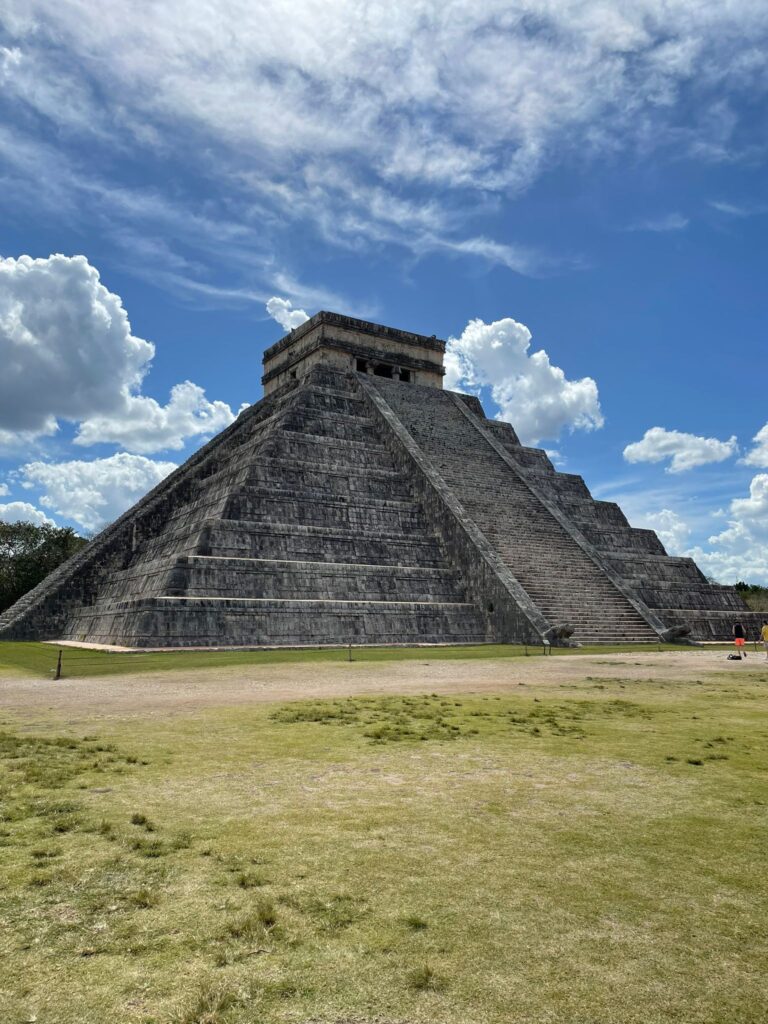
It’s hard to put a cost on activities as it really depends on what you’re into. However, chances are you will check out some Mayan Ruins including one of the Seven World Wonders in the form of Chichen Itza.
I’d imagine you will also want to check out cenotes in the Yucatan peninsula. Whilst beaches are generally free to visit.
If I have to put a rough number on your daily activity spend, then £5 (US$7) is a reasonable estimation given you won’t pay for activities daily.
Guatemala – £28 (US$36 Per Day)
Guatemala can be done super cheaply. Although I wouldn’t recommend taking the most wallet-friendly options here, as I will explain in the transport section.
This is one of the most affordable Latin American countries, so you can easily travel here on a shoestring budget.
Accommodation – £8 (US$10) Per Day
Guatemala can comfortably be done for £8 (US$10) a day. It is possible to find cheaper spots, but you’d better be a fan of cockroaches and shady neighbourhoods if you skimp out here.
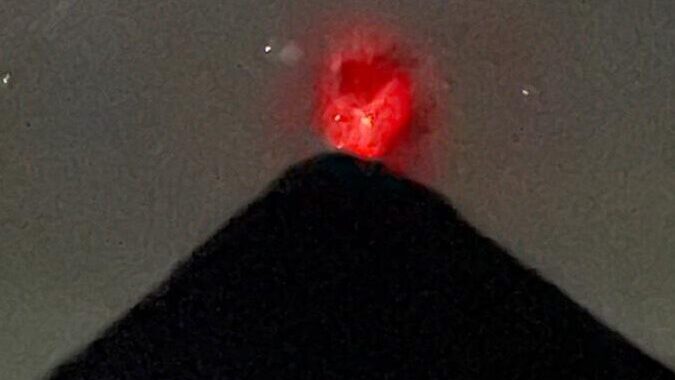
Antigua, home to the bucket list erupting volcano Volcan de Fuego, is where you can expect to pay slightly higher prices, in one of the country’s biggest gringo hotspots.
Expect to pay up to double for a private room – by far the best option if travelling with your partner or friends.
Food and Drink – £4 (US$5) Per Day
Guatemala has a lot of cheap street food with much in common with Mexico. Expect to pay around £4 (US$5) a day here, although consider spending a little extra to get some extra nutrients you won’t find in the cheap shucos (hot dogs) and gringas (quesadillas) you’ll find here.
Transport – £10 (US$13) Per Day
The good news? You can take chicken buses around Guatemala for dirt-cheap prices.
The bad news? They aren’t the safest for of transport and muggings aren’t unheard of.
I took one from San Pedro La Laguna to Xela for just £4 (US$5), and another costing the same when I headed back to Panajachel, another town on the edge of Lake Atitlan.
But that was a gamble which I took after assessing the risk (shorter journey, daytime bus and slightly safer area). For longer-distance transport you should take the tourist shuttles which cost a lot more, on average let’s say £30 (US$39) per journey (some a lot less, some a lot more), which averages out at around £10 (US$13) per day.
Activities – £6 (US$8) Per Day
Hiking up Volcan Acatenango to watch Volcan de Fuego erupt is one of the best travel experiences you will ever have. It costs £40 (US$52) but is well worth it.
Throw in Tikal (£15 or US$20) and Semuc Champey (£25 or US$33) and you’ll have a magical time.
Spend two weeks exploring Guatemala balancing these major attractions with free activities such as visiting the beaches of El Paredon or walking around the lake of Flores and you can expect to spend a very cool £6 (US$8) per day on average.
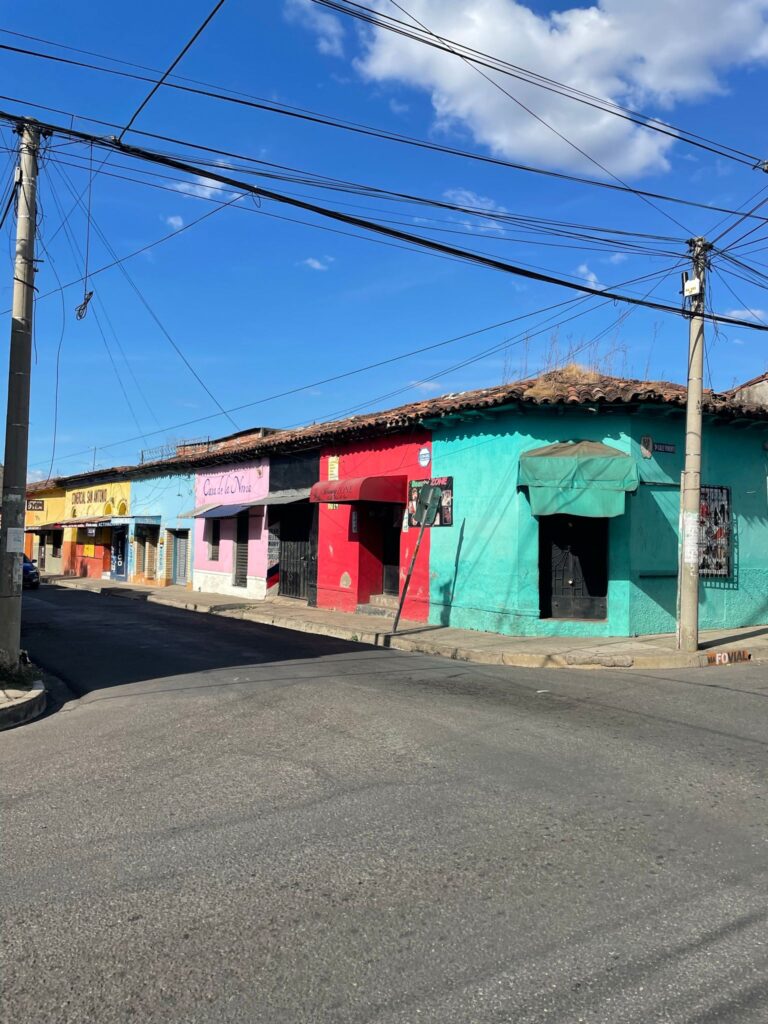
El Salvador – £16 (US$21.30 Per Day)
The super-safe country of El Salvador is nestled in between the sketchier nations of Guatemala and Honduras. Using the US dollar doesn’t hit prices as hard as you may expect, and you have the luxury of being able to use chicken buses here without worrying about a possible phone snatching.
I came two weeks after over 80 people were killed in a single weekend, which led to a state of emergency being announced in 2022. Even in that two-week period, the country completely transformed, and it’s only been getting better since.
El Salvador is a bargain country to visit right now.
Accommodation – £8 (US$10) Per Day
You’re looking at around £8 (US$10) for an alright place to stay here. In the cool colonial city of Santa Ana you can spend even less, although this is a rough average as you’ll probably pay a little more in capital San Salvador and along the beaches.
Food and Drink – £5 (US$7) Per Day
Pupusas are all the rage here. A corn or rice-based flatbread stuffed with meat, vegetables or other savoury foods.
You can find them for as little as £1 (US$1.30) or even less.
Over the course of the day, expect to pay £5 (US$7) on food as a rough average.
Transport – £1 (US$1.30) Per Day
Due to El Salvador’s small size, chicken buses are king here. Best of all, the security situation makes them an easy option to use.
You will pay a rough average of £1 (US$1.30) a day here in total, with an expected £5 (US$7) expenditure for a long-distance journey.
Activities – £2 (US$3) Per Day
Hiking up Santa Ana Volcano is fun, costing around £8 (US$10). Visiting the beaches of El Tunco and El Zonte is a popular activity too, and unlike the volcano hike, it’s free.
On average, you can spend as little as £2 (US$3) per day here.
Honduras – £35 (US$47) Per Day
Honduras is a bit like Guatemala really. A very cheap country, where you should really spend a little more than necessary to prioritise safety over budget travel. In fact I’d go as far as saying that Honduras is the most dangerous country in Central America. Unlike neighbouring El Salvador, it never really managed to crack down on gang violence despite recent attempts to do so.
Accommodation – £12 (US$16) Per Day
A bed for the night costs a little more here at around £12 (US$16) per night.
Finding budget-friendly options in Copan Ruinas is easy. Even in the shady capital of Tegucigalpa it isn’t too hard.
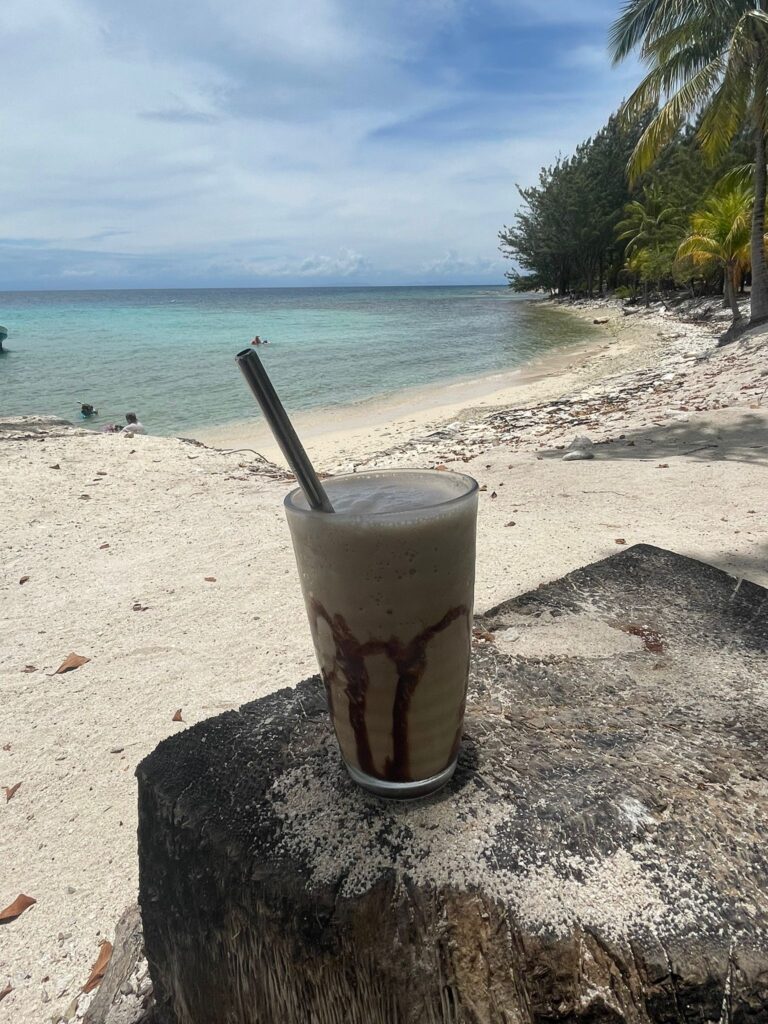
Accommodation costs shoot up when you get to the popular Bay Islands of Utila and Roatan. Generally accommodation is included if you stay with a diving school whilst getting your diving certifications. However, there are few options for non-divers.
What I did was reach out to a Utila diving school (Alton’s Dive Center – contactable at [email protected]) and stayed there for 3 nights at £12 (US$16) per night. It’s not the Ritz, but it’s not awful either.
Food and Drink – £5 (US$7) Per Day
So cheap. Like in other Central American countries, you can find a cheap tortilla with fillings (known as baleadas in Honduras) for around £2 (US$3).
Overall, expect to spend around £5 (US$7) a day on food here.
Transport – £15 (US$20) Per Day
Just like Guatemala, you can take really cheap chicken buses here. But then you’re at the mercy of potential muggers. And whether you end up on a bus with a gunman or a series of innocent people is a game of Russian roulette in Honduras.
Expect transport to dent your budget here, unless you’re a real risk taker.
Tourist shuttles are not cheap. And the ferry from La Ceiba to Utila or Roatan isn’t particularly budget-friendly regardless of your risk tolerance.
Expect an average of £15 (US$20) in daily transport costs. But if you stay in one place for a while, or you do decide to take the chicken buses, then you can slash these costs significantly.
Activities – £3 (US$4) Per Day
Whether or not you go diving here will significantly impact on your budget. It costs £12 (US$16) to visit Copan Ruinas, the most popular stop on the Gringo Trail in Honduras.
Visiting the beaches on the islands costs nothing, likewise spending time exploring Lake Yojoa.
You can do Honduras with an average activity spend of £3 (US$4) per day, so let’s say that’s what you can expect here. However if you want to dive, it will cost several times more than this.
Nicaragua – £14 (US$19.30) Per Day
Nicaragua is my favourite country in Central America, and an absolute must on your itinerary through this region.
Best of all, it’s also super budget-friendly. It’s reasonably safe, so you won’t need pricy tourist shuttles to get around here.
Accommodation – £5 (US$7) Per Day
One of the cheapest countries in the world to stay in. A night in one of the more touristy spots such as Leon, Granada or on Ometepe Island will cost around £5 (US$7) per night.
Food and Drink – £2 (US$3) Per Day
Another super cheap country where you will pay around £2 (US$3) per meal for street food here. Even if you eat in a restaurant, it won’t cost much more.
Transport – £1 (US$1.30) Per Day
Use chicken buses to get around in Nicaragua. A long journey won’t cost more than around £3 (US$4). A ticket for the ferry to Ometepe costs just £1 (US$1.30).
On average you will spend around £1 (US$1.30) per day on transport. Nicaragua is super cheap.
Activities – £6 (US$8) Per Day
The one thing in Nicaragua that will stretch your budget a little further.
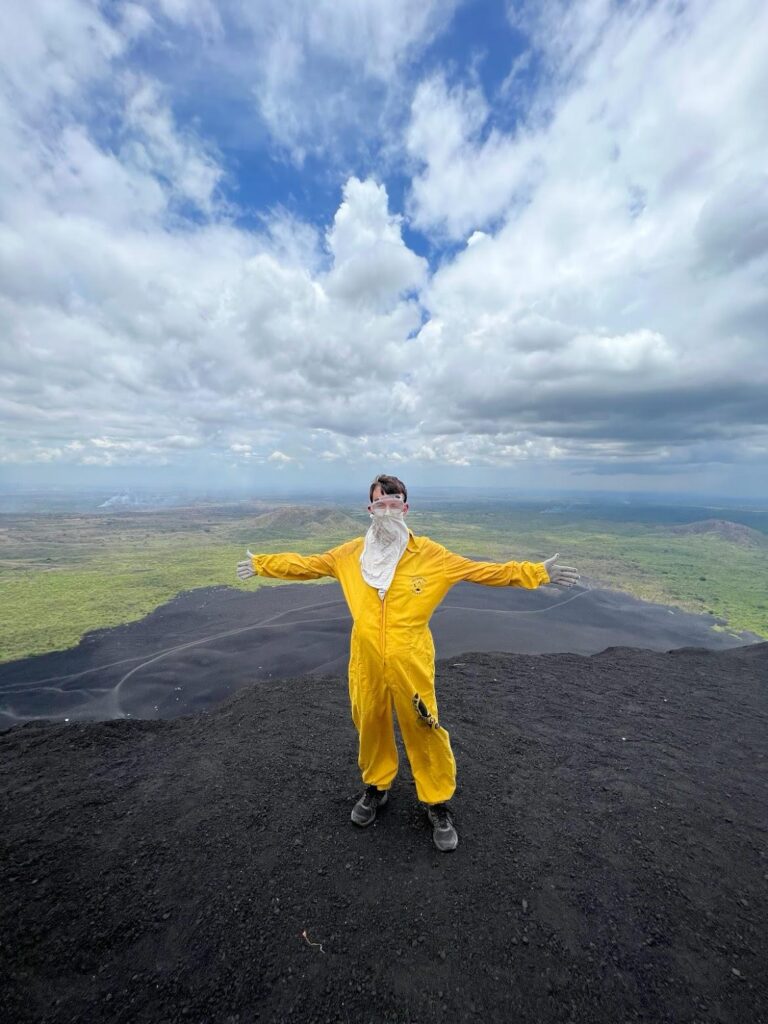
You can hike up volcanoes, and even go boarding down them if you’re up for a thrill.
On average, you can expect to pay £6 (US$8) for activities per day. This is an average based on the assumption that some days you won’t be doing activities, and on others you will spend up to £30 (US$39) on them. And that’s the cost of the volcano boarding in case you’re wondering.
South America
Whilst not as cheap as Central America overall, South America still has some great budget-friendly places to visit. Best of all, these aren’t just countries that are popular because they’re cheap. They also happen to be some of the most incredible countries on earth.
There are a handful of more expensive countries in this region. Venezuela is beautiful, yet very expensive after crazy politics and hyperinflation destroyed their once-cheap economy.
The godforsaken Guianas are very expensive as well as being unsafe and boring. And Argentina, a budget-friendly paradise when I first went in 2022, is now much more costly, being another country with a volatile economy. Chile also costs a fair bit.
Colombia – £26 (US$34) Per Day
Colombia isn’t really a beginner South America destination. It’s infamous for violent crime, drug gang activity and paramilitaries. But these can all be avoided with sensible precautions.
In two Colombia trips spanning across almost 2 months, I’ve never had any safety issues.
Now whilst Colombia may not be one of the safest places in South America, it’s definitely one of the cheapest, and has a lot to see.
Accommodation – £4 (US$5) Per Day
There is so much budget-friendly accommodation in Colombia. Prices start from literally £1 (US$1.30) if you’re in the right places.
The average is more like £4 (US$5) for a night, with capital Bogota and the most popular city of Medellin dragging up expenses overall.
Colombia has a great network of backpacker-friendly hostels with lots of events going on in the busiest destinations such as Bogota, Medellin, Cartagena and Santa Marta. These cost a little more however at £10-20 (US$16-32) per night.
But here we’re looking at the average price for an okayish place to stay, and Colombia is very affordable for that.
Food and Drink – £6 (US$8) Per Day
You can get the popular street foods arepas and empanadas for under £1 (US$1.30) here. Arepas are the pupusas of Colombia, a flatbread with fillings. Empanadas are filled pastries that are also common in the likes of Argentina and Paraguay.
If you find a cheap local restaurant, you can often find dirt-cheap buffets or “menu del dia” (menu of the day) which offers a full menu for around £4 (US$5).
Overall expect to spend around £6 (US$8) per day on food and drink in Colombia.
Transport – £9 (US$12) Per Day
For short-distance transport, Uber operates in most big cities for around £4 (US$5) for a moderate journey. Let’s say of half an hour for a benchmark figure.
Uber is technically illegal in Colombia. As a result, I was always asked to sit in the front so I looked like the drivers’ friend rather than a passenger.
Longer distance buses between the likes of Bogota, Medellin, Cartagena etc. are what will hit you in the wallet. They cost an average of around £35 (US$46).
Overall, you’re looking at daily averages of around £9 (US$12) on buses, taxis, and fun little tuk tuk-style vehicles called jeep willies which you’ll find in the coffee region here.
Activities – £7 (US$9) Per Day
As always, the hardest thing to put a price on because everyone has different interests.
A typical Colombia visit would include a lot of beer (cheap at just over £1 (US$1.30), but it all adds up), a probable day trip from Medellin to Guatape, a likely Tayrona National Park trip if you head that way, and possible dance classes, particularly for those who head to Cali.
The Ciudad Perdida trek has been on my bucket list for a while, but at £400 (US$520) for the cheapest tours, and up to double for a high quality one, it eludes most backpackers exploring Colombia on a budget. You can do the incredible Salkantay Trek in Peru for far less.
Assuming you don’t do Ciudad Perdida, but you do most other things that Gringo Trail travellers will, then you’re looking at around £7 (US$9) in daily activity costs.

Ecuador – £27 (US$35) Per Day
Ecuador uses the US dollar, but just like El Salvador, it’s still a very affordable country.
The exception is the Galapagos Islands, the Galapagos have higher permit costs now, and will cost £169 (US$220) to enter (including transit control card and park entry fee).
Ecuador can be travelled through cheaply, but this guide only covers the mainland and not the Galapagos.
Accommodation – £5 (US$7) Per Day
Ecuador is incredibly cheap to stay in. You’ll find a reasonable place for just £5 (US$7) per night. This is the case in many of the more popular destinations such as capital Quito and Cuenca in the south.
Tourism isn’t exactly flourishing these days due to Ecuador’s safety situation, so you won’t have a problem finding a good place to stay.
Food and Drink – £8 (US$10) Per Day
Once again, Ecuador is a country with a lot of cheap street food.
Empanadas can also be found here, as is the seafood dish ceviche, which is more famous in neighbouring Peru.
Like Colombia, the menu del dia is a thing here.
Food costs a fraction more here than it does across the Colombian border, but there’s little in it. Budget for £8 (US$10) per day.
Transport – £4 (US$5) Per Day
You should always use Uber where possible in the cities. Ecuador isn’t safe these days, so don’t go for the cheap option with public transport.
The last time I did that in Quito, the bus dropped me in a random place different from where it was meant to, and three guys tried to mug me minutes later as I tried working out where I was and how to get back to my hostel.
You should only take long-distance buses in Ecuador, travelling between the likes of Quito, Baños and Cuenca. The good news is that it will cost an average of around £10 (US$13) per journey.
Averaged across your trip, you will end up paying around £4 (US$5) per day on transport.
Activities – £10 (US$13) Per Day
In Quito, you will want to visit the equator monument, known as Mitad del Mundo. It’s pretty cool, and only costs £4 (US$5) to get in.
Unfortunately, they messed up whilst finding where the equator really was, so the monument is in the wrong spot, and you will have to spend the same amount to enter Museo Intiñan which is where the real (and much more modest) monument is located.
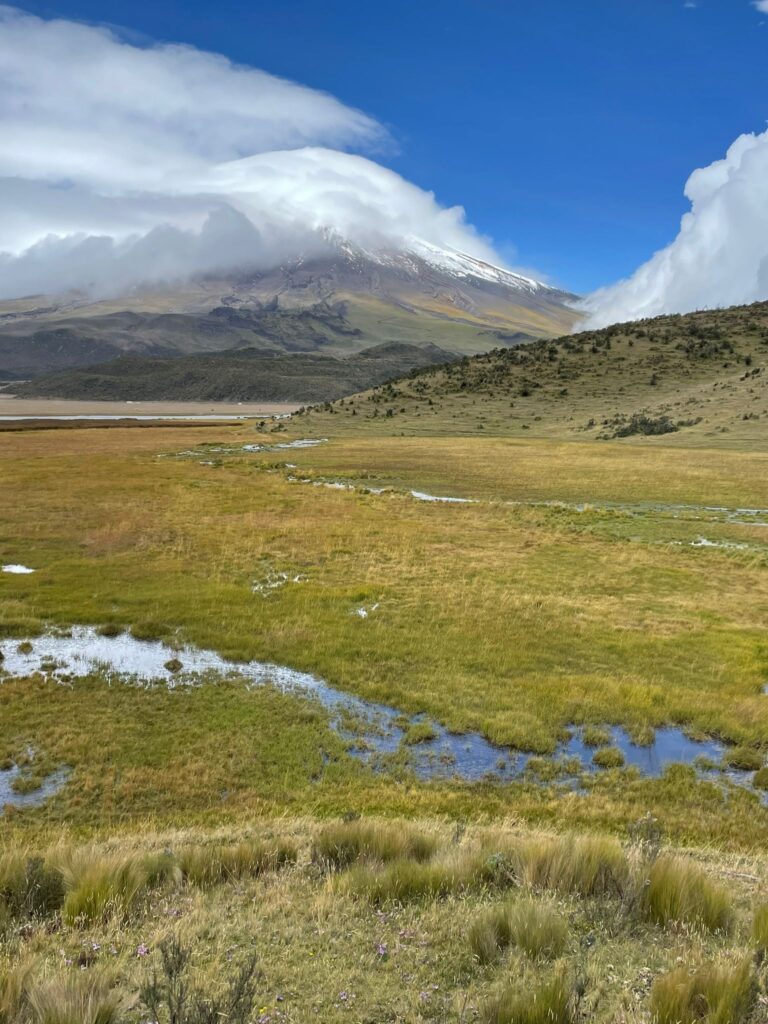
Another must-do in Ecuador is visiting Cotopaxi Volcano. A day tour there costs £40 (US$50).
Unfortunately, they won’t let you in without a tour, so I had to pay up and got a really low quality tour with a non-English speaking guide who continuously spoke to me in Spanish, despite it becoming quickly obvious my Spanish wasn’t very good back then…
I had bad luck going on a foggy day and never saw the best of the volcano, but it was still fun to walk around the surrounding lakes.
If you go to Baños, it’s Ecuador’s adventure sports capital, so you may spend money on ziplining, bungee jumping, rafting or other activities.
On average, you will probably spend around £10 (US$13) a day on activities as a bare minimum. But allow for higher costs if you do any adventure activities.
And discount Ecuador as a budget-friendly country entirely if you visit the Galapagos.
Peru – £31 (US$40) Per Day
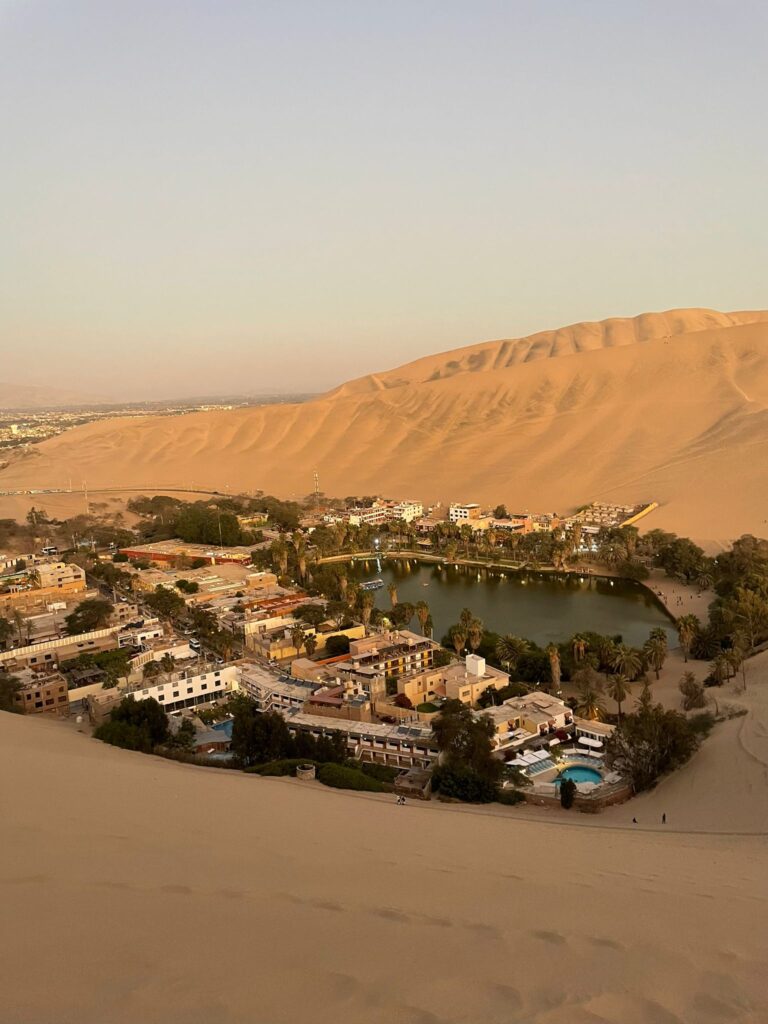
Peru is one of the best countries in South America, and even the world. It has a well-defined tourist trail which takes you between world class places such as Huacachina, Colca Canyon, Rainbow Mountain and of course Machu Picchu.
And best of all, it’s super cheap. Only Bolivia is more affordable than Peru in South America.
Accommodation – £4 (US$5) Per Day
There is so much choice in Peru. You can find a decent enough budget bed for just £4 (US$5) here. The more touristy spots such as Cusco and Arequipa are full of such options.
We stayed at one place for that price, Munay Tika in Cusco. It’s not a bad place at all, but the location was a bit far so we raised our budget to stay nearer the centre.
Food and Drink – £5 (US$7) Per Day
In typical Latin America fashion, street food is a great way to save cash in Peru, and put it towards great experiences instead.
Once again, the menu del dia goes a long way here.
One bit of good news is that tours in Peru often come with lunch included. And quite often, that will be a buffet-style lunch, which means you won’t have to pay anything on food. For some tours, you will receive multiple meals.
During the Ausangate Mountain trek, we had breakfast before starting the hike, then had lunch after completing the 6-hour trail around the lakes and back to base.
Likewise, if you do the Salkantay Trek to Machu Picchu, then all your meals will be included. That’s breakfast, lunch and dinner.
Take this into account as well as the fact you will be spending money on food during non-activity days, which will most likely be around two thirds of your time in Peru, and you’re looking at average expenses of around £5 (US$7) per day.
Transport – £4 (US$5) Per Day
Expect to pay an average of £30 (US$39) for a long-distance bus. For example: Huacachina to Arequipa, Arequipa to Cusco, or Cusco to Puno.
Within cities, transport will cost around £3 (US$4) with Uber, but really you won’t need it as most places of interest are walkable.
Averaged out across a 3-week trip, which is optimal for Peru, then you will pay around £4 (US$) per day.
Activities – £18 (US$23) Per Day
This is the one area where Peru will drain your bank account a little. Not because activities are expensive, but because you will do so many of them.
On average, you will pay around £25 (US$33) for a day tour. Think Rainbow Mountain, Ausangate, the Sacred Valley etc. Or Colca Canyon if you visit Arequipa.
For Machu Picchu, if you do the Salkantay Trek, it will cost around £50 (US$65) per day for 5 days. And this is one of the best experiences I’ve ever done, so I highly recommend it.
Pro tip: tours are significantly cheaper if you book in person in the nearest major city (Cusco for most major tours in Peru). Online prices are expensive, but they do at least make the process a lot less labour-intensive as you don’t have to go between various agencies negotiating and comparing prices.
I’ve used Wild Peru Travel during both my Peru trips, and found their owner Casio to be helpful and arrange great tours overall. Although I will say the guides have differed in professionalism and quality.
For a daily activities budget in Peru, you’re looking at around £18 (US$23) as a rough figure.
Bolivia – £21 (US$27) Per Day
Bolivia is the cheapest country in South America.
It was super cheap anyway when I first went in 2022. Since then however, they suffered a major shortage of US dollars, and people will now give you a lot more pesos than the official rate suggests on the black market.
Check out the Facebook group BackPackers Bolivia for up-to-date information on current black market rates, and where you can exchange US dollars for extra bolivianos.
We first found an exchange place after crossing the La Quiaca/Villazon border with Argentina, then another in Uyuni, and a few months later when we returned to Bolivia after Peru, our bus from Puno to Copacabana stopped right outside a money exchange. All offered black market rates. They shouldn’t be too tricky to find.
Take lots of US dollars into Bolivia with you.
Accommodation – £3 (US$4) Per Day
Accommodation in Bolivia is stupidly cheap. Even a decent private room can be found for as little as £6 (US$8) in some places.
If you want a 3-star hotel, then you’ll find one for less than an hours’ wages if you have a minimum wage job in the UK (£12.21 currently, or just under US$16).
And for hostels, you can pay rock bottom prices. It isn’t unheard of to pay £3 (US$4) a night here, and not necessarily for awful places.
One important tip to bare in mind: always choose to pay at the property rather than online. This way you can pay in bolivianos and take advantage of the favourable exchange rates.
Food and Drink – £4 (US$5) Per Day
Bolivia is king when it comes to affordability. And the food is no different. Even meals in restaurants such as pollo broaster (fried chicken) and silpancho (breaded meat with a fried egg, rice and salad) will set you back pennies here.
It’s not unreasonable to find enough food for a day for just £4 (US$5) here.
Transport – £4 (US$5) Per Day
The black market strikes again. Forget about £30 (US$39) for a long-distance bus in Bolivia. It will cost under half of that here.
Examples of journeys I’ve taken in Bolivia within the last year:
- Villazon to Uyuni – 6 hours: £5 (US$7)
- Copacabana to La Paz – 3 hours: £2 (US$3)
- La Paz to Rurrenabaque – 14 hours… or a lot longer if you encounter road blocks as we did: £9 (US$12)
- Rurrenabaque to Santa Cruz de la Sierra – 20 hours: £13 (US$17)
That’s literally 43 hours of travel for £29 (US$39), which is less than a single 15-hour bus journey in some countries.
It should also go without saying that Uber in La Paz and local transport such as tuk tuks in Rurrenabaque cost peanuts.
Your daily travel expenses in Bolivia should be little more than around £4 (US$5).
Activities – £10 (US$13) Per Day
To be honest, activities are the one area that costs a little more in Bolivia. Tour companies generally cater to tourists from Western Europe, Israel (which interestingly has a lot of tourists who come to Bolivia) and occasionally Canada and the USA.
As a result, they bump up the prices and you can expect to pay £20-£40 (US$26-52) for a day trip here to somewhere like the pampas or the Amazon Rainforest.
On average, you’re looking at around £10 (US$13) as daily activity costs.
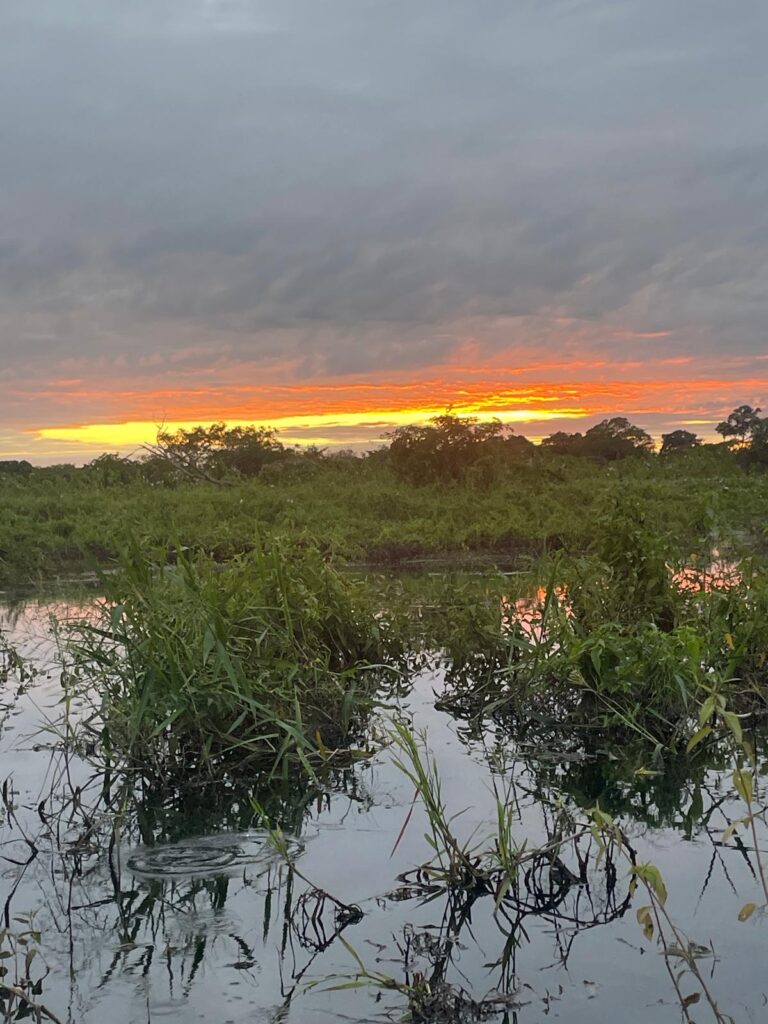
Paraguay – £21 (US$27.30) Per Day
Paraguay is one of South America’s least explored countries. I’ve spent several months there, my girlfriend is from there, and in all this time I probably only saw around 5 western tourists. I’m sure there are others out there. I know expats at least love the country due to its low cost of living, great food and favourable tax laws.
It’s surprising to see so few, because whilst Paraguay isn’t full of major attractions, it does have some of the best food in the world including ultra-cheap steak, and an authentic culture with friendly locals.
Accommodation – £10 (US$13) Per Day
This is the one area where you’ll spend a little more than you may want to. Because Paraguay isn’t super touristy, it doesn’t have a lot of cheap places to stay.
Expect to pay around £10 (US$13) minimum for a decent enough place here. In Asuncion, you’ll find a few cheaper spots, but elsewhere this will be tricky.
Food and Drink – £6 (US$8) Per Day
It’s easy to eat on a budget in Paraguay. Street food such as empanadas will cost under £1 (US$1.30).
Paraguay has great supermarkets, and some (such as Superseis) often have food courts. You can help yourself to food from the buffet, and will be charged based on weight.
But it never costs much. I recommend going at lunch time though, because by the evening the food is cold (or at least what’s left of it) and it really isn’t good.
This is “splashing out” by Paraguayan standards, but Asuncion has world class restaurants offering all-you-can-eat steak, buffet food and desserts for just £10-£20 (US$13-26). I recommend trying a few because Paraguay genuinely has some of the world’s best food.
For the budget conscious traveller however, you can get by on around £6 (US$8) per day.
Transport – £4 (US$5) Per Day
Very cheap here. Uber and Bolt work in the major cities, as does another ride-share app called Yango. This is slightly cheaper, but harder to find rides with.
For longer buses expect to pay around £15 (US$20) to get across the country.
On average, you can expect to spend no more than £4 (US$5) per day on transport in Paraguay.
Activities – £1 (US$1.30) Per Day
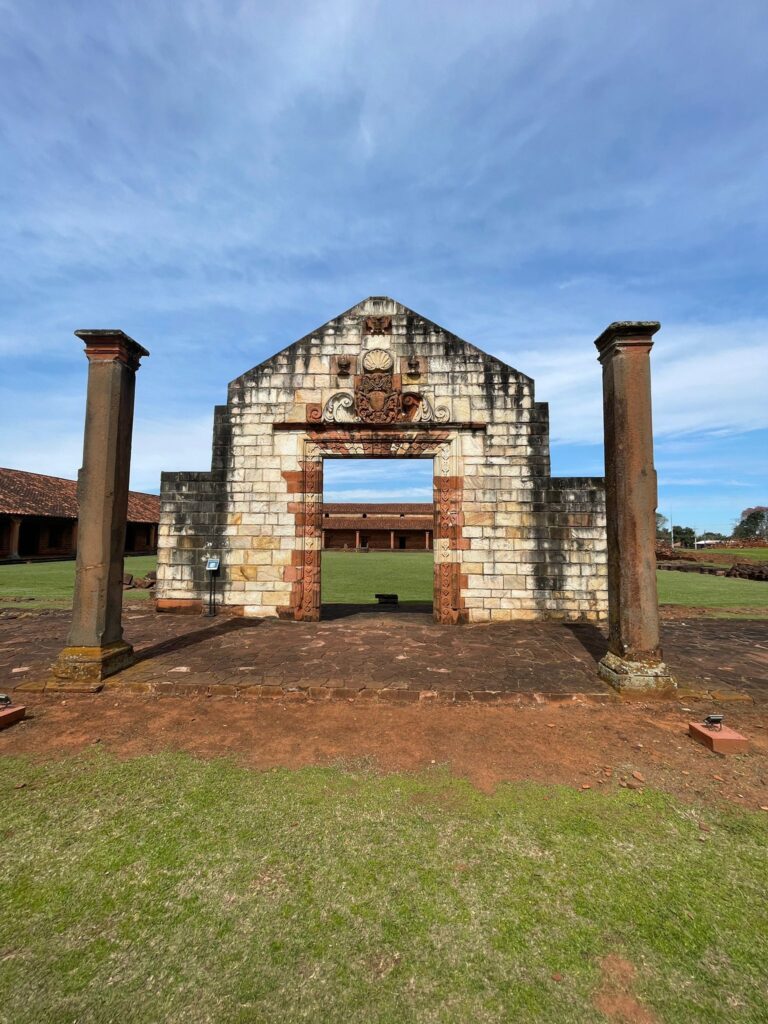
To be honest, there isn’t loads to do in terms of activities here. But Paraguay’s top archeological spot is the Jesuit Missions near Encarnacion costs just £4 (US$5) to enter.
Elsewhere you have the Saltos del Monday waterfalls near Ciudad del Este that cost just £6 (US$8).
Overall, you’ll probably spend more on Paraguay’s delicious food rather than on activities. Your daily activity costs probably won’t be much more than £1 (US$1.30).
Eastern Europe
If you want to travel on a budget in Europe, then you can forget about the west and the Nordic countries. Central Europe isn’t much better with countries ranging from the budget-destroying Austria or Switzerland to the likes of the Czech Republic, which isn’t “cheap cheap” despite not being overly expensive either.
The east however will stretch your spending power over longer periods, as this part of Europe isn’t so unaffordable. It certainly costs more than Central or South America when looking at the overall picture, but there are bargains to be had.
Poland – £45 (US$59) Per Day
Poland is cheap, but may not be for much longer. No country in Europe is seeing as much financial growth and success as Poland, and it surely won’t be long until the country attracts more big spenders as it increases in prosperity.
In fact, it’s currently the most expensive country that makes this list.
Accommodation – £12 (US$16) Per Day
Around £12 (US$16) is the benchmark for the cheapest okay places in Poland. You can find cheaper, but only if you’re willing to stay somewhere pretty terrible.
You can find hostel beds in the likes of Warsaw or Krakow for this price.
Food and Drink – £10 (US$13) Per Day
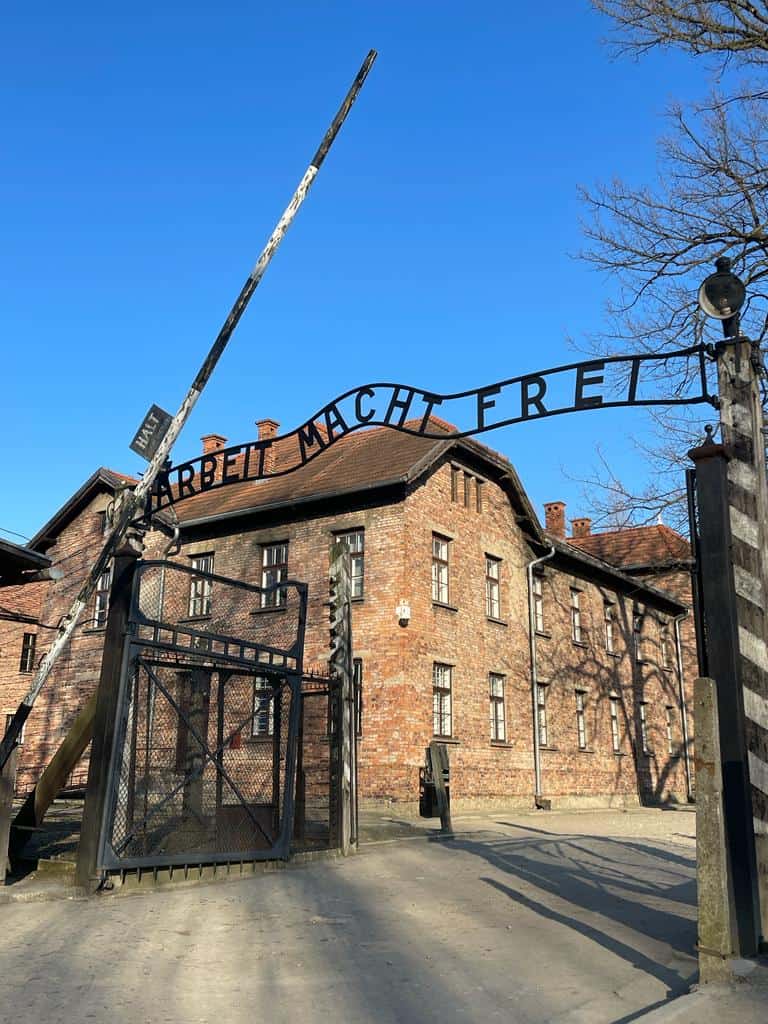
You can find cheap local canteens if you look hard enough. We found an okay one called Grymas by the station in Oswiecim (where Auschwitz is based). It cost just £3 (US$4) to pick up food from the buffet which was paid for based on weight.
Over the course of an average day, you’ll be spending around £10 (US$13) on food and drink.
Transport – £13 (US$17) Per Day
Not the cheapest country to get around in all honesty. To travel the length of the country from Krakow to Lithuania’s capital Vilnius cost us £40 (US$52) each…
Whilst the cities are generally walkable, and therefore don’t require public transport, I’d budget for £13 (US$17) per day here.
Activities – £10 (US$13) Per Day
As always, difficult to put a price on. But if you take a free (really tips-based) walking tour through the major cities and visit Auschwitz alongside a handful of castles and museums, then you’re looking at around £10 (US$13) per day here.
Hungary – £37 (US$48) Per Day
Hungary is home to Budapest, one of the most popular cities in Europe. Therefore it’s surprising that such a commonly-visited city is actually really cheap.
Accommodation – £13 (US$17) Per Day
Hungary is pretty used to tourists, which means it has a lot of places to stay. Healthy competition means lower prices, and whilst we aren’t talking South America prices here, you can still expect to pay just £13 (US$17) per night.
Food and Drink – £12 (US$16) Per Day
You’ll find lots of Hungarian restaurants selling cheap goulash (a stew that is perhaps the most internationally-recognised Hungarian food) and langos, a type of flatbread that looks a bit like a pizza.
Street food can be found, but it isn’t as common as in Latin America. The delicious chimney cakes (kurtoskalacs) are very filling and cost around £4 (US$5) a pop. I know that without checking my travel expenditure notes because we got stuck into these during most days in Hungary. They’re delicious!
In all honesty, this isn’t the cheapest country for food. But at roughly £12 (US$16) per day, that’s still under half the price of a single meal in Switzerland…
Transport – £4 (US$5) Per Day
Very cheap. The Budapest metro costs around £1 (US$1.30) for a single ticket.
Longer distance buses cost little more than £10 (US$13) depending on the journey you’re taking.
On average, I’d budget for around £4 (US$5) per day. And even that may be a little on the high side.
Activities – £8 (US$10) Per Day
For upwards of £10 (US$13) you can enjoy Hungary’s famous thermal baths. That’s what we paid for the Lukacs baths. Although for the most famous ones (Szechenyi), you can expect to pay a lot more. We never went to those but heard they aren’t worth it as they’re pretty crowded.
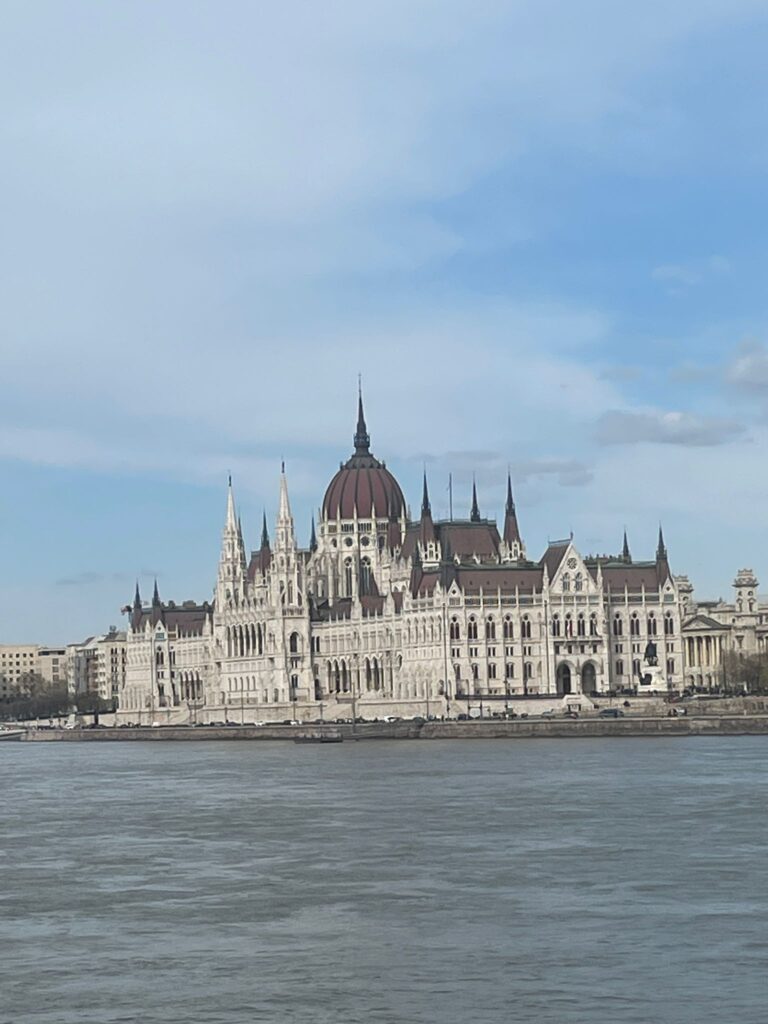
You can spend a little or a lot here. Walking around Hungary’s lakes and rivers won’t cost anything, but going inside the iconic parliament building will dent your wallet, as will drinking at Budapest’s overpriced tourist trap ruin bars.
Once again, it’s tough to come up with a ballpark figure, because everyone has their own tastes in what to see and do, but I would say roughly £8 (US$10) is fair here.
Belarus – £23 (US$30.30) Per Day
One of Europe’s very few “off the beaten path” destinations. Belarus doesn’t get so many tourists, and it’s pretty cut off from “the west” especially due to its close relationship with Russia. However, you can easily get in from Vilnius in Lithuania by bus with visa-free access for most Europeans until December 31st 2025 at the earliest.
And best of all, it’s really cheap. One of my top 5 cheapest countries in Europe.
Accommodation – £14 (US$18) Per Day
The one area where Belarus isn’t entirely budget-friendly. In Minsk it’s not too hard to find a cheap place to stay. Elsewhere, it can be tricky due to sanctions which have made it impossible to find listings on Booking and other popular western sites.
Instead I used an app called Ostrovok and Hotels.com to find accommodation here.
I’d budget for around £14 (US$18) a day here. Urban Hostel in Minsk is where I’d recommend staying due to being one of the few places in the country with English-speaking staff and a proper hostel environment.
Food and Drink – £6 (US$8) Per Day
Pretty cheap to be honest. I paid around £8 (US$10) a day on food, and I didn’t really look for the cheapest options. You can possibly do it for less if you look around. I would say the minimum you can spend on food is around £6 (US$8).
Transport – £2 (US$3) Per Day
Very very cheap. In the cities you can just walk so there’s no need for transport, although you may want to check out the Soviet-style metro in Minsk out of curiosity rather than necessity.
Soviet-style trains across the country cost £7 (US$9) per journey. I even got a night train from Brest to Grodno for this price, so that was the cost of both transport and accommodation combined on that night.
On average, transport costs £2 (US$3) per day.
Activities – £1 (US$1.30) Per Day
Again, very cheap. Brest Fortress is the main attraction in Belarus from a tourist standpoint. It’s completely free to enter.
I was in the country for a week and spend a grand total of £3 (US$4) on activities, pretty much all on going to watch a Dinamo Minsk football match, which at 5-0 to the home side resulted in much better value than seeing my beloved Southampton get smashed for over 10x the price on a weekly basis.
Perhaps you’re more into museums than I am, which may raise the activities spending a little more. But unless you do anything major, don’t expect to pay more than around £1 (US$1.30) a day on a tight budget here.
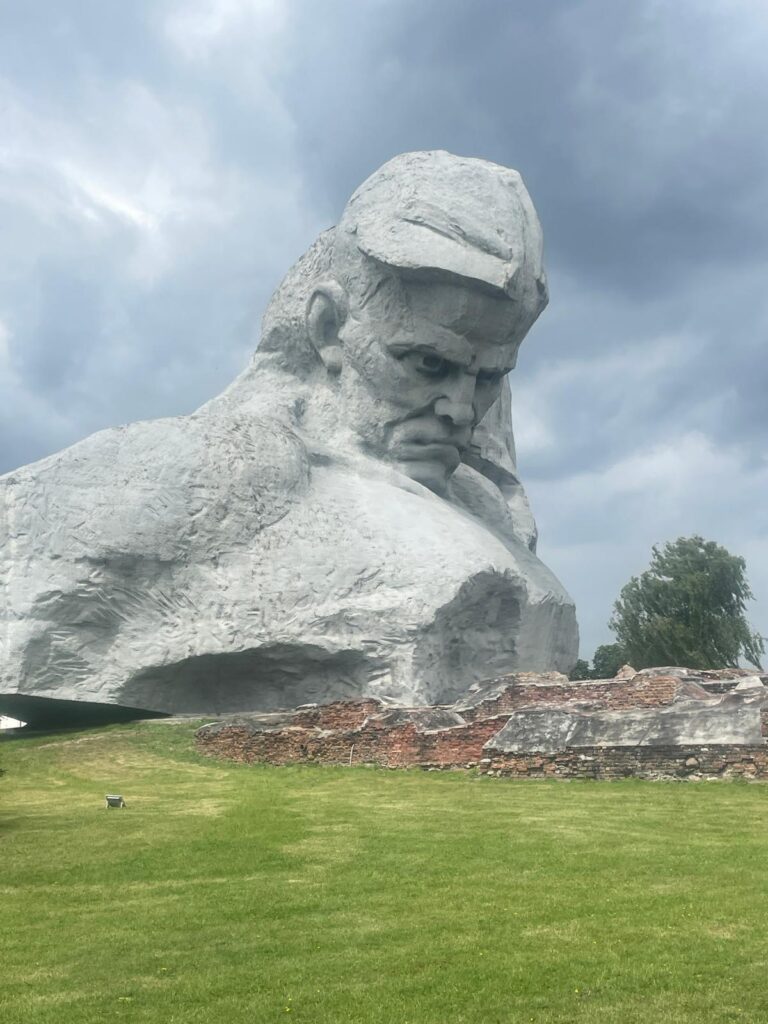
Moldova – £16 (US$21.60) Per Day
Just like Belarus, Moldova is one of Europe’s cheapest countries. It is also known for being Europe’s poorest, least-visited and “most boring” country, although I strongly disagree with the latter.
Moldova has a big wine scene, as well as the fascinating breakaway “state” of Transnistria, which is like a time capsule showing what life was like in the Soviet Union.
Accommodation – £9 (US$12) Per Day
It will cost you £9 (US$12) for a reasonable place to stay here. The few tourists that do spend time in Moldova will generally visit the two capitals: the official capital Chisinau, and Transnistria’s capital Tiraspol, plus maybe the border town of Bender.
Watch out for online booking scams. If you look on Booking.com, Moldova is often full of “free” apartments and hotels costing “nothing” but with giant taxes on top.
Food and Drink – £5 (US$7) Per Day
My average food costs across 4 days in Moldova were £5 (US$7), and that’s a pretty fair figure to expect from your own trip here.
Moldova is so untouristy (I didn’t see a single other westerner there) that tourist trap restaurants aren’t really a thing. Therefore you can easily find a cheap local place for lunch.
Transport – £1 (US$1.30) Per Day
Super duper cheap. Moldova used battered old minivans known as marshrutkas to get around. You can expect to pay £2 (US$3) for a single journey, or £1 (US$1.30) as a daily average spend.
I used one of these to get from the capital Chisinau to Bender in Transnistria, then again to make the return journey.
Activities – £1 (US$1.30) Per Day
Activity costs depend heavily on whether or not you do a wine tour. If you do, it will set you back a 3-figure sum.
If you book a Transnistria tour online, you will pay a similar amount.
The good news is that you can walk around Transnistria for free seeing the cool sites of Tiraspol.
There is a small entry fee of £2 (US$3) to enter Bender Fortress. But on average, a budget traveller can expect to spend £1 (US$1.30) each day here.
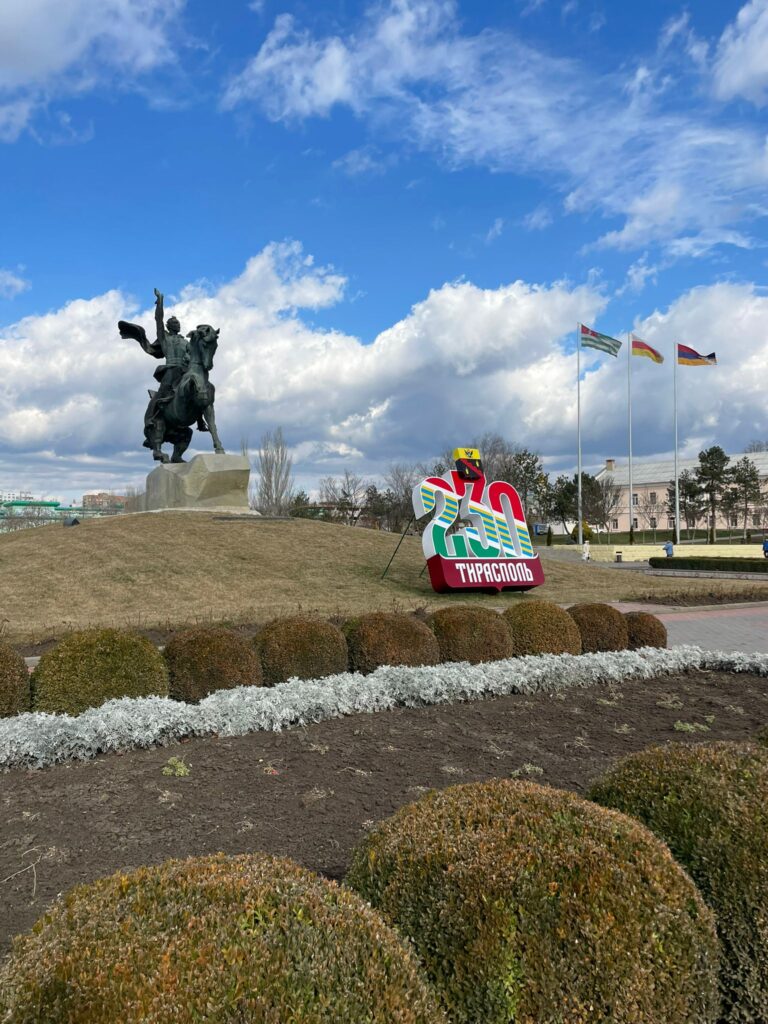
Bulgaria – £23 (US$31) Per Day
Bulgaria has blown up in recent years (not in the literal sense, thankfully) because it offers sunny beach destinations (there’s literally a place called Sunny Beach there) for rock bottom prices.
The types of people who used to go to Malia or Magaluf now prefer Bulgaria’s Black Sea coastline for a cheap party in the sun.
As things stand, it’s still cheap. However, on January 1st 2026, Bulgaria will ditch the lev and formally use the euro as its currency.
The once-cheap Croatia is quickly catching the likes of Spain and Italy as a premium holiday destination, so let’s hope Bulgaria doesn’t go down the same path.
Accommodation – £9 (US$12) Per Day
Like many places on this list, £9 (US$12) is enough to get you an okay place to stay in Bulgaria for a night.
My recommendation is to avoid Smart Hostel in Sofia. It felt more like a homeless shelter than a backpacker-friendly place when I was there. It has no locks on the door so anyone can just walk in, and according to recent reviews, it has also had bedbugs…
Food and Drink – £9 (US$12) Per Day
Cheap, but slightly less so than other countries in Eastern Europe. Budget for around £9 (US$12) a day here.
Transport – £2 (US$3) Per Day
Very cheap. You can take an old-school Soviet-style train for just £4 (US$5) between Sofia and Plovdiv, the latter being a far superior city in my eyes. It has some beautiful buildings and more of an atmosphere than gloomy Sofia.
You won’t pay much more than this to reach other parts of the country. The good news if you visit in the winter, is that they put the heating on full blast. As a result, my early February Bulgaria trip felt just like my mid-August Kuwait trip… Although reality hit fast when the train stopped and I stepped back into the snowy outdoors.
Activities – £3 (US$4) Per Day
I did walking tours in Sofia and Plovdiv, had a few beers in the latter, and went to a football match too. Total expenditure for these budget-friendly activities averaged out at about £3 (US$4) per day.
Even if you do things differently, it will cost a similar amount.
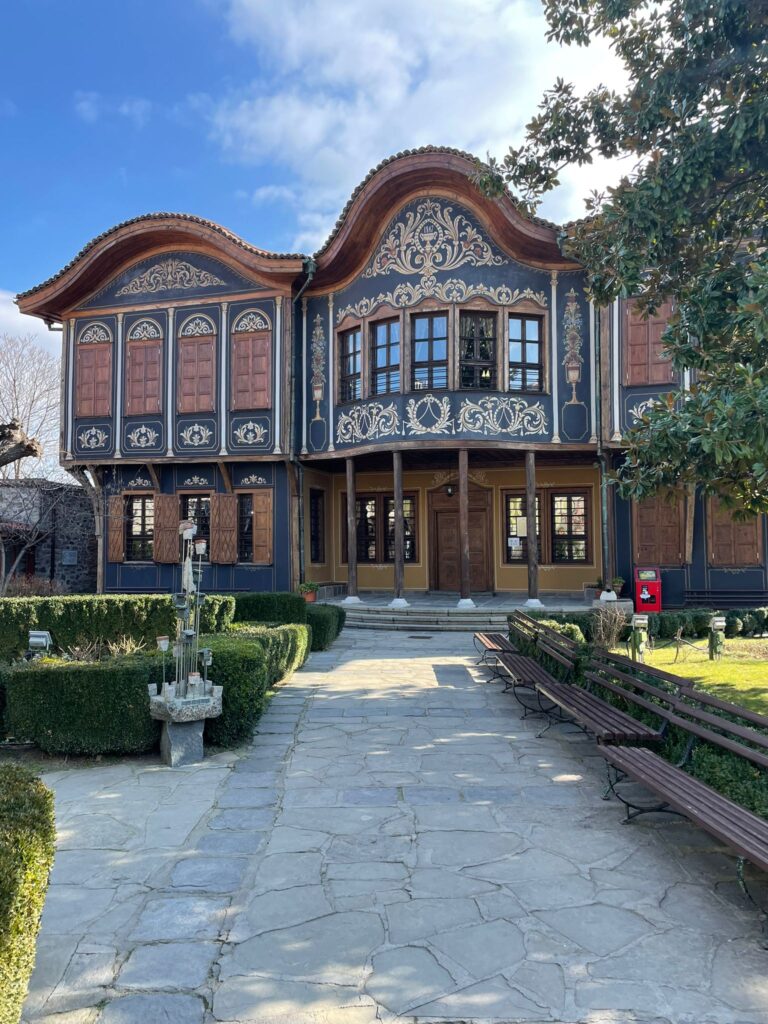
Romania – £33 (US$43) Per Day
Romania is a little more expensive than other countries in the Balkans, but still cheap enough to justify a place on this list.
Accommodation – £15 (US$20) Per Day
Expect to pay around the £15 (US$20) mark for a half-decent place to stay in Romania, when we look at average costs throughout your stay.
You may be able to find cheaper spots if you go in the winter months, or you’re willing to stay in a bit of a dump. But use that figure as an expected average.
Food and Drink – £7 (US$9) Per Day
I got by with £7 (US$9) a day on food here. Romania has a fair few local restaurants selling cheap dishes such as mici (a grilled sausage dish) and kebabs which are popular all over the Balkans.
It’s not a very expensive country to eat in.
Transport – £6 (US$8) Per Day
Not the cheapest country to get around in. Cities, like in most of Europe, are easily walkable.
Long-distance buses cost £20 (US$26) as a rough guideline.
Daily travel expenditure will level out at around £6 (US$8) as a rough estimate. Of course, this figure will be less or more depending on how long you spend at each stop.
Activities – £5 (US$6) Per Day
Visiting famous Transylvanian castles such as Bran and Peles Castle costs £12 (US$16) and £9 (US$12) respectively.
Other activities don’t cost much at all. I risk sounding like a broken record here, but activity spending varies wildly depending on your interests. However, I would budget for a rough estimate of £5 (US$6) if you’re on a tight budget.
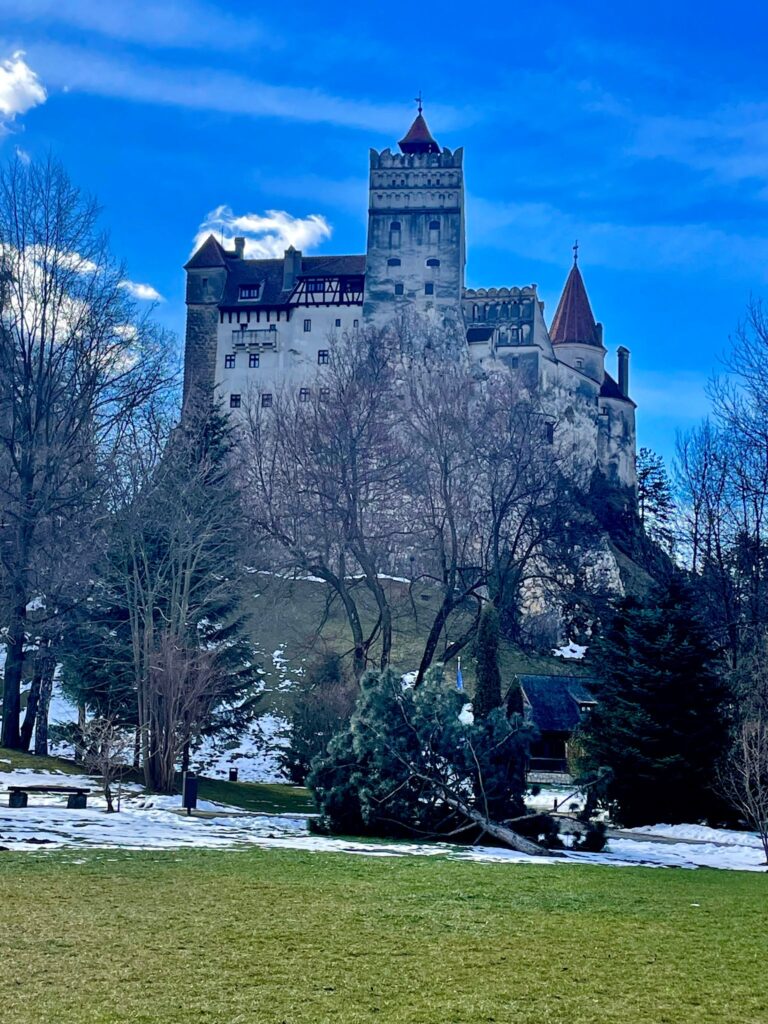
Serbia – £28 (US$37) Per Day
Serbia is slightly cheaper than Romania in terms of estimated spending. Must admit, this is a country I found pretty dull, but then again I perhaps shouldn’t have gone in February during the freezing Balkan winters.
Nis at least has an interesting concentration camp you can visit.
Accommodation – £9 (US$12) Per Day
In Serbia, you can expect to pay around £9 (US$12) a night in most places for a budget dorm bed.
It isn’t the most visited country around, so you can generally find last-minute rooms without issues here.
Food and Drink – £12 (US$16) Per Day
I didn’t love Serbia, but I did enjoy Serbian food. You can get a good cevapi (grilled sausages in flatbread) or pljeskavica (similar to a burger) for £7 (US$9).
Average food spending is a little higher here. Allow for around £12 (US$16) a day.
Transport – £4 (US$5) Per Day
Another cheap country to get around in. A longer journey may cost upwards of £8 (US$10). I say upwards, but really it won’t be much more than that.
Budget for £4 (US$5) in daily expenses.
Activities – £3 (US$4) Per Day
I spent £4 (US$5) on both the concentration camp in Nis, and the nearby skull tower (which wasn’t really worth it – you can see a few skulls and it takes around a minute max).
In Belgrade there’s a bit more going on, but your expenditure depends once more on what you want to do. As a budget traveller, my only activities expense in the capital was £4 (US$5) on a football ticket when I went to watch Partizan Belgrade play in the snow.
For an estimated daily average, £3 (US$4) is enough.
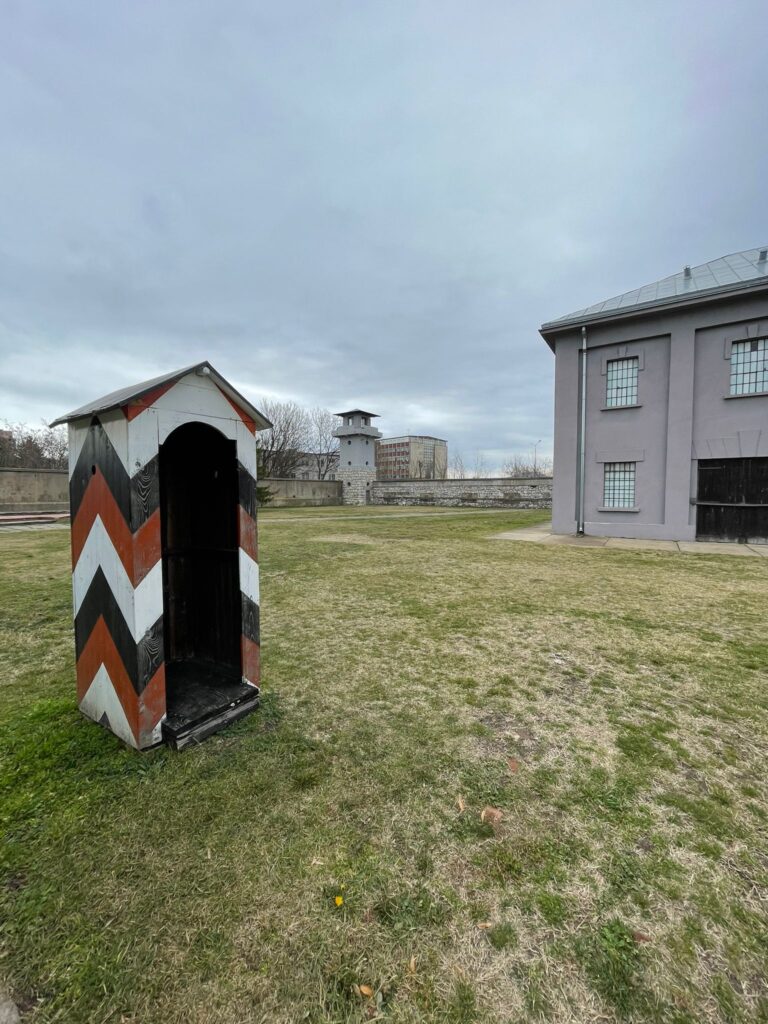
Kosovo – £15 (US$20.30) Per Day
Remember when I said Moldova was known as the most boring country in Europe? Well it’s Kosovo that really is the least-exciting place.
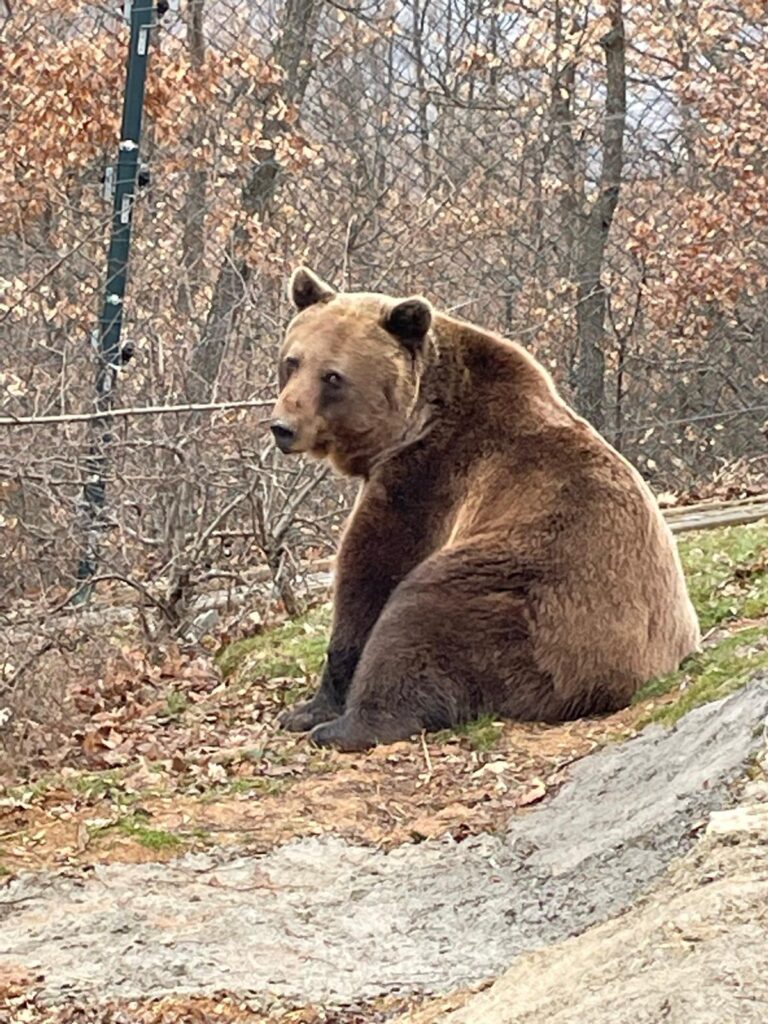
There’s a bear sanctuary that rehabilitates rescued bears that were once made to perform in restaurants. That’s just about the only interesting thing here.
But on the plus side, Kosovo wins another gold medal: it is also the cheapest place in Europe.
Accommodation – £5 (US$7) Per Day
On average, you can expect to pay around £5 (US$7) a night here. You’ll pay less than that in Prizren, which is Kosovo’s second city. The capital Pristina costs a little more. It seems prices have risen slightly since my 2023 visit.
Food and Drink – £7 (US$9) Per Day
I cheated a bit because Kosovo is so cheap, and splashed out on food. But you can get by here on just £7 (US$9) a day.
I found a steakhouse selling steak for just £10 (US$13). Bargain! Or so I thought…
It turned out to be the size of a golf ball, not a patch on the quality of Argentine steak, and it came with three chips. Yes, three.
Therefore my recommendation is to be wary of a cheap steakhouse in Pristina, but you can otherwise find affordable food here.
Transport – £2 (US$3) Per Day
You’ll spend around £5 (US$7) getting between Pristina and Prizren. Anything else costs less.
Budget for £2 (US$3) per day here.
Activities – £1 (US$1.30) Per Day
The previously-mentioned bear sanctuary costs around £3 (US$4) to enter.
Other activities cost peanuts, if anything at all.
You can easily get by with a £1 (US$1.30) daily activities budget in Kosovo.
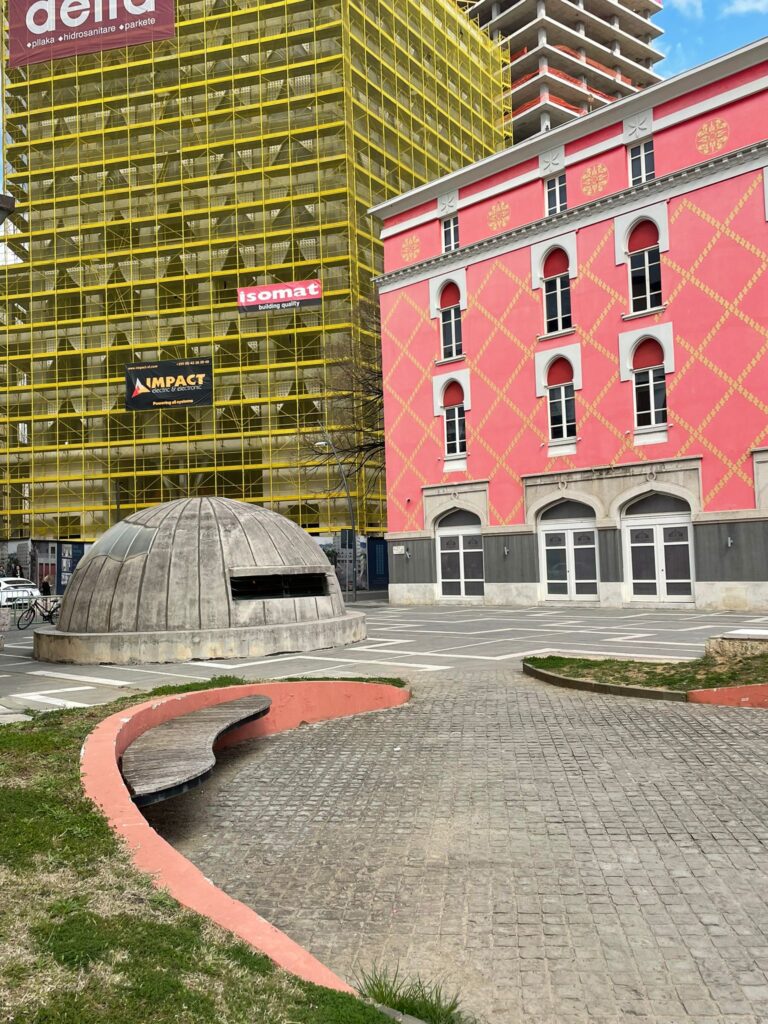
Albania – £16 (US$20.30) Per Day
Albania is Kosovo’s neighbour. The two countries have a lot in common, with most people from Kosovo being ethnically Albanian.
Whilst Albania is started to get noticed by travellers from across Europe, it remains a very cheap country for now. Decades of isolation under Enver Hoxha kept the country cut off from the rest of the world, and their economy is yet to really boom despite his death in 1985.
Accommodation – £6 (US$7) Per Day
There are plenty of places to stay in Albania for just £6 (US$8) a night on average.
It’s even cheaper in the major cities such as Tirana and Shkoder, although the beach spots cost a little more, especially in the summer.
Food and Drink – £7 (US$9) Per Day
Not expensive at all, as with a lot of the Balkans. Easy to eat for £7 (US$9) per day with street food and cheap local restaurants.
Transport – £1 (US$1.30) Per Day
Very cheap. Allow for £3 (US$4) per journey. Your daily spend will be barely a dollar in Albania. As with most places in Europe, there’s no need for transport within cities.
It’s a pretty small country that doesn’t take long to get around.
Activities – £2 (US$3) Per Day
Once again, Albania can be done on a very low budget. And that includes activities. Don’t be surprised if your activities expenditure works out at £2 (US$3) or less.
Visiting the beaches won’t cost anything.
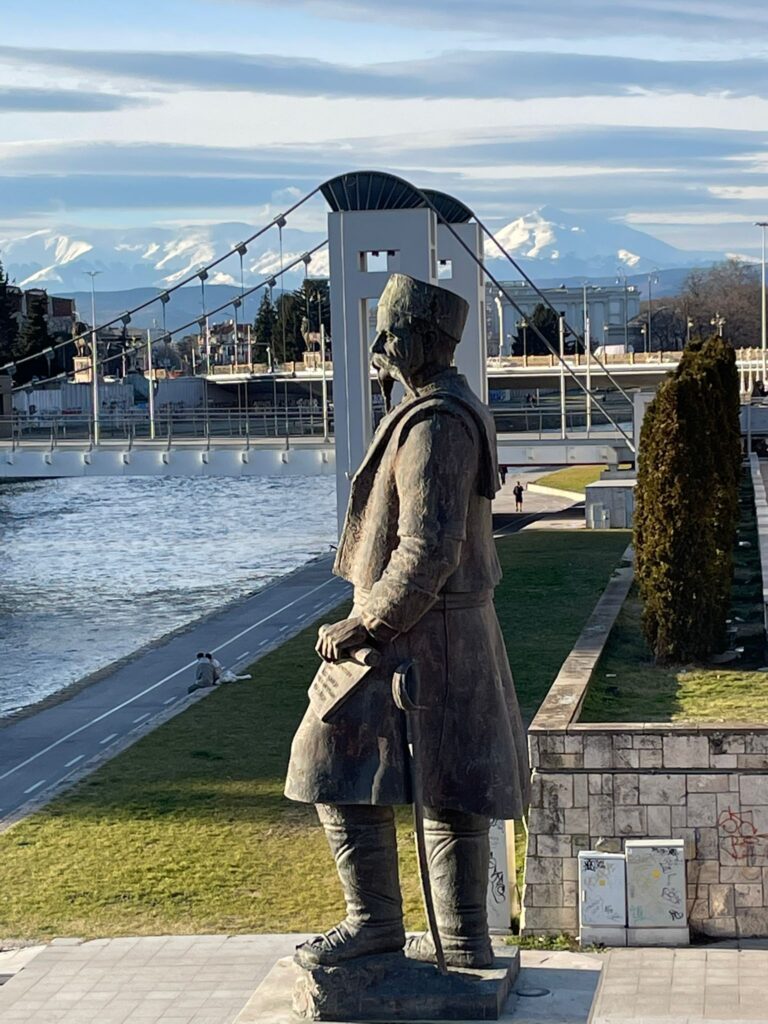
North Macedonia – £23 (US$31) Per Day
If Greece is hurting the budget, then you can save a lot of money by just heading across the northern border into North Macedonia.
This small but cool country isn’t expensive to visit, and has some nice spots too such as capital Skopje and scenic Lake Ohrid.
Accommodation – £10 (US$13) Per Day
You can find a decent place to stay for around £10 (US$13) here. In Skopje you can find dorm beds for a little less. Elsewhere in the country it may cost slightly more due to low demand. Most tourists won’t visit anywhere other than Skopje or Ohrid.
Food and Drink – £6 (US$8) Per Day
North Macedonia is super cheap to eat in. If you’re in Skopje, head to the old bazaar where you can find local restaurants for rock bottom prices.
It costs a little more elsewhere, but it’s certainly not expensive.
A budget of £6 (US$8) per day is enough here.
Transport – £5 (US$7) Per Day
Aside from entering and leaving the country, there is probably only one time you may use transport in North Macedonia: to take the bus between Skopje and Lake Ohrid.
It costs £23 (US$30) for a return ticket, or £16 (US$21) for one-way. It’s hard to say which one you need without knowing your travel plans.
But let’s give a rough estimation of £5 (US$7) in a country that’s cool, but doesn’t require a lot of time to visit.
Activities – £2 (US$3) Per Day
It’s always fun to do a walking tour of any major city, and Skope is a very interesting one. Beyond that, a lot of the interesting stuff in North Macedonia is free.
Walk around, admire the mountains, swim in Lake Ohrid. You don’t need to spend a lot to enjoy this country.
On average you may pay £2 (US$3) per day here. And even that’s an upper estimation for a budget traveller.
Bosnia Herzegovina – £31 (US$41) Per Day
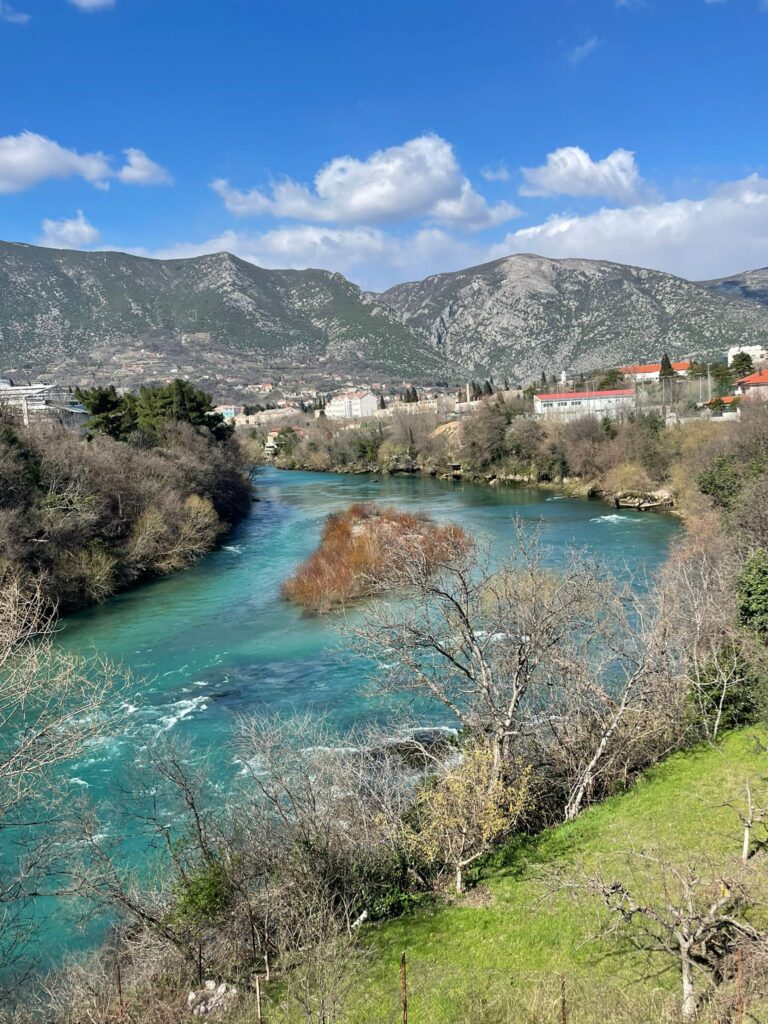
Bosnia is easily one of my favourite countries in Europe. From historical Sarajevo to beautiful Mostar and some great cuisine, it really has it all.
And on top of that, it’s really cheap. Not quite Kosovo or Moldova levels of cheap, but not much more costly than that.
Accommodation – £15 (US$20) Per Day
A place to stay is a little on the pricy side here. Well, at least compared to other countries on this list. Expect to pay around £15 (US$20) per night on average.
Be wary of visiting Sarajevo in August. They host the 1-week Sarajevo film festival during this month (dates change slightly every year) and accommodation prices shoot up just before and during the festival.
Food and Drink – £10 (US$13) Per Day
If you find a place with a kitchen, you can easily eat for £5 (US$7) a day here. Although you’re more likely to end up eating cevapi and other Bosnian favourites in a small roadside restaurant which will set you back around £7 (US$9) alone.
Including breakfast and snacks, Bosnia is a £10 (US$13) per day country for food.
Transport – £2 (US$3) Per Day
It costs around £10 (US$13) to take the popular train between Sarajevo and Mostar. That’s for a return ticket by the way, so it’s even cheaper for a one-way journey.
Buses for short journeys generally cost around £1 (US$1.30) each way.
You will need a few days to explore Sarajevo, and it’s definitely worth spending a while in Mostar, even just to relax.
Therefore on average you can spend just £2 (US$3) a day on transport.
The cities are usually walkable, and there’s no Uber here (the local Bosnian app only works with a Bosnian phone number… sometimes, it isn’t reliable).
Activities – £4 (US$5) Per Day
It’s cheap to do things in Bosnia. There’s a lot to see just by walking around, although you can pay a little for a walking tour.
Museums cost £5-10 (US$7-13) to enter if you wish to learn all about the war.
On average you may spend about £4 (US$5) a day on activities in Bosnia.
South Asia
South Asia is one of the cheapest regions on earth… mostly.
I’ve heard that Nepal, Bangladesh and Pakistan are ultra budget-friendly destinations. Although I haven’t included them on the list below as I’m yet to visit them. And this guide is written entirely from personal experience. I know that each country on this list is cheap, because I’ve been there.
The Maldives is one country that could break your bank balance with its luxury villa scene. But even then, it isn’t too expensive if you just stay in Male and find one or two cheaper spots.
Anyway, these countries I’ve been to and can vouch for their affordability.
India – £9 (US$12.30) Per Day
The most bonkers country on earth. Prepare for your senses to be blown to pieces by the land of noise, smells, chaos and pure adventure.
Although you’re reading this not because you want an India backpacking itinerary, but because you want to know how affordable it is. So let’s get stuck into the costs of travelling in one of the world’s cheapest countries.
Accommodation – £1 (US$1.30) Per Day
Maybe the cheapest country in the world when you’re looking at places to stay. You can literally find places for just £1 (US$1.30) in many parts of the country.
Sure, the quality can be a bit iffy at times. But this is India, even if you “splash out” on something for £15 (US$20) a night, then you can just as easily end up with rats in your room.
There’s little difference in quality between an ultra cheap place in India, and somewhere more mid-range. So you might as well go for the cheapest option here.
Food and Drink – £3 (US$4) Per Day
Street food in India is some of the most affordable in the world. You can find filling meals for literal pennies.
But there’s a catch. India has some of the most atrocious food hygiene standards you can possibly imagine. If you want to eat street food in India, then make sure you stay in places with a private bathroom, because you will use it. A lot.
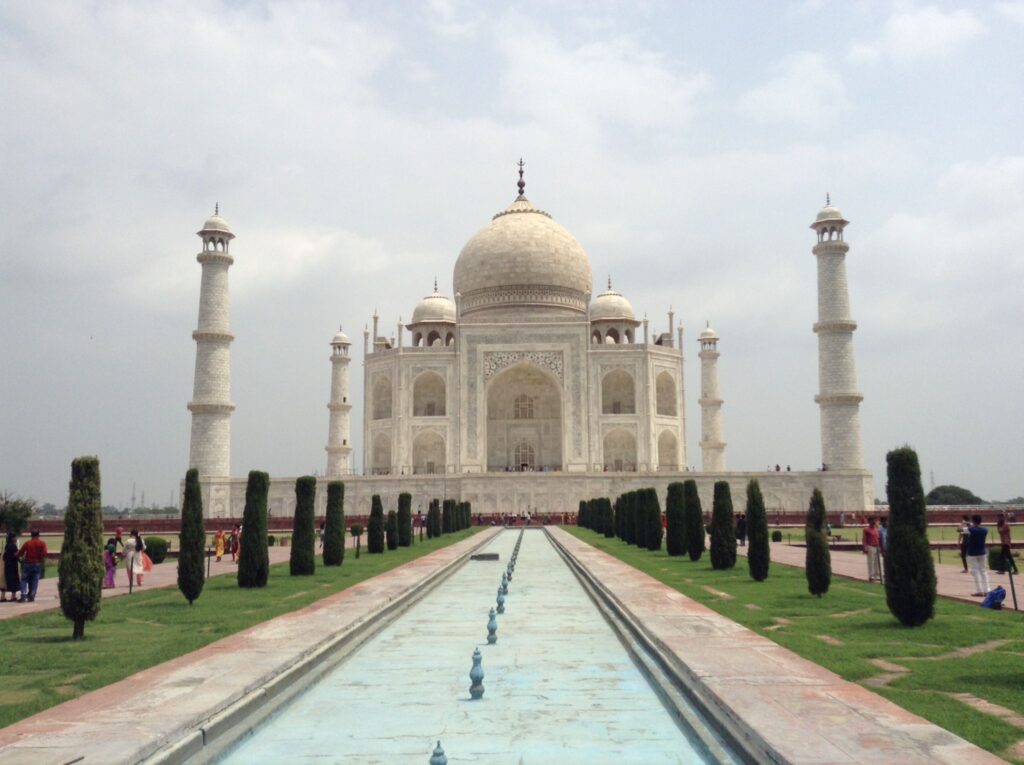
Every single day in India is spent playing food poisoning roulette. I had my first experience of it the night after eating at a very posh restaurant in Agra that would’ve been considered upper class in the UK. But street food increases the risk.
You can get by on £3 (US$4) a day here. But good luck…
Transport – £3 (US$4) Per Day
Travelling within cities is super cheap. If Uber exists, great. It doesn’t cost much and is generally scam-free.
If you have to bargain with tuk tuk drivers, then chances are you’ll get ripped off at some point. It happens.
Long-distance buses can cost anything from £2 (US$3) to £15 (US$20). Let’s say £7 (US$9) as an average figure.
Your daily average will be around the £3 (US$4) mark.
Activities – £2 (US$3) Per Day
Impossible to put a price on to be honest. India is so gigantic and has so much to offer that I don’t even have a rough idea of what you may do as it would take years to go everywhere of interest.
But what we’re looking at here is how much you can realistically spend on a tight budget whilst still seeing a lot of cool stuff. And £2 (US$3) is enough for that in much of India.
Sri Lanka – £18 (US$24) Per Day
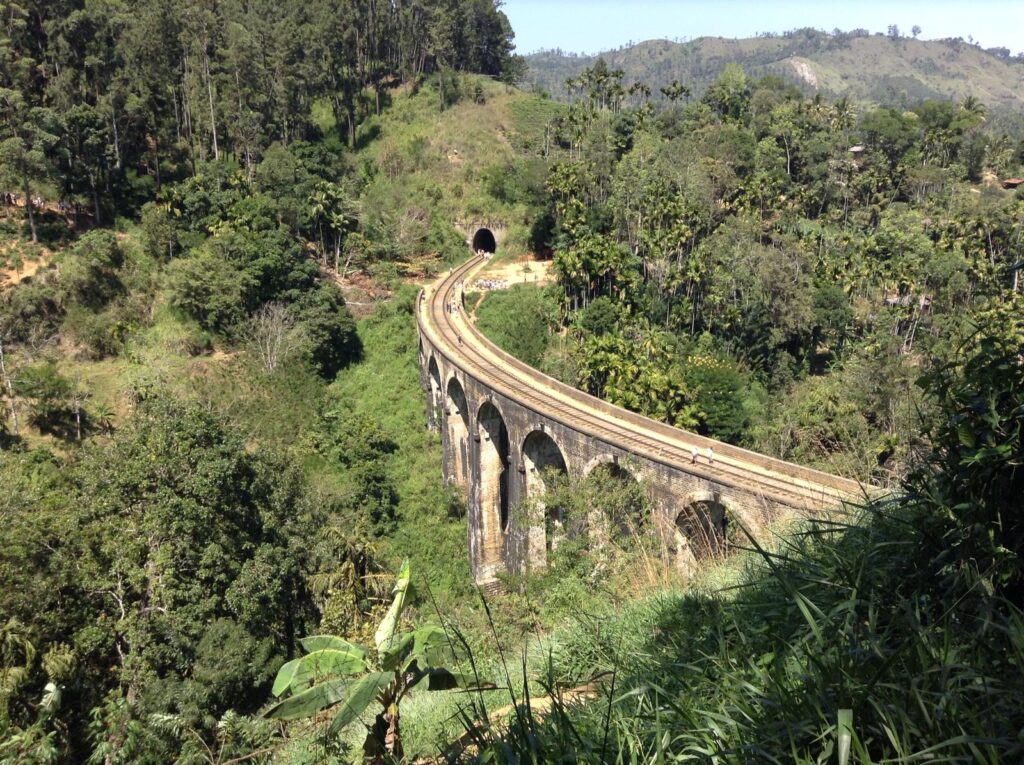
A truly wonderful country. One of my favourites in the world, and one I call “India lite” due to its similarities with its northern neighbour, minus 70% of the chaos.
Best of all, it’s really cheap to explore.
Accommodation – £3 (US$4) Per Day
You can find decent places to stay for just £1 (US$1.30) a night here. Although these are limited to a handful of locations, such as Kandy which is a fun city to visit with its giant Buddha statue.
On average, you will pay around £3 (US$4) for a reasonable bed to sleep in.
Food and Drink – £6 (US$8) Per Day
Very cheap here. Expect to get a lot of curry, as well as egg hoppers which are essentially pancakes with a fried egg inside.
Average daily costs? You’re looking at around £6 (US$8).
Transport – £2 (US$3) Per Day
So so cheap. Literally around £3 (US$4) for most long journeys by bus or train. To go all the way from capital Colombo to Jaffna in the far north costs £7 (US$9).
Daily average transport spend is around £2 (US$3). And even that’s high by Sri Lankan standards.
Activities – £7 (US$9) Per Day
Activities in Sri Lanka can often mean cheap temple visits. On some occasions however, tourist trap prices will see you pay up to £24 (US$31) for entry to Sigiriya Fortress.
We did a safari at Yala National Park which now costs £33 (US$43) for the cheapest entry, including a jeep tour for half a day with a guide.
Activities in Sri Lanka will average about £7 (US$9) per day roughly.
East Asia
East Asia is a rite of passage for many backpackers. Those stepping outside of the western world for the first time tend to end up in this part of the world (more specifically, Southeast Asia) as it is so cheap, beautiful and generally safe.
Whilst East Asia does have some more expensive countries (Japan, Singapore and South Korea stand out), it is also home to many bargain gems.
China – £38 (US$50) Per Day
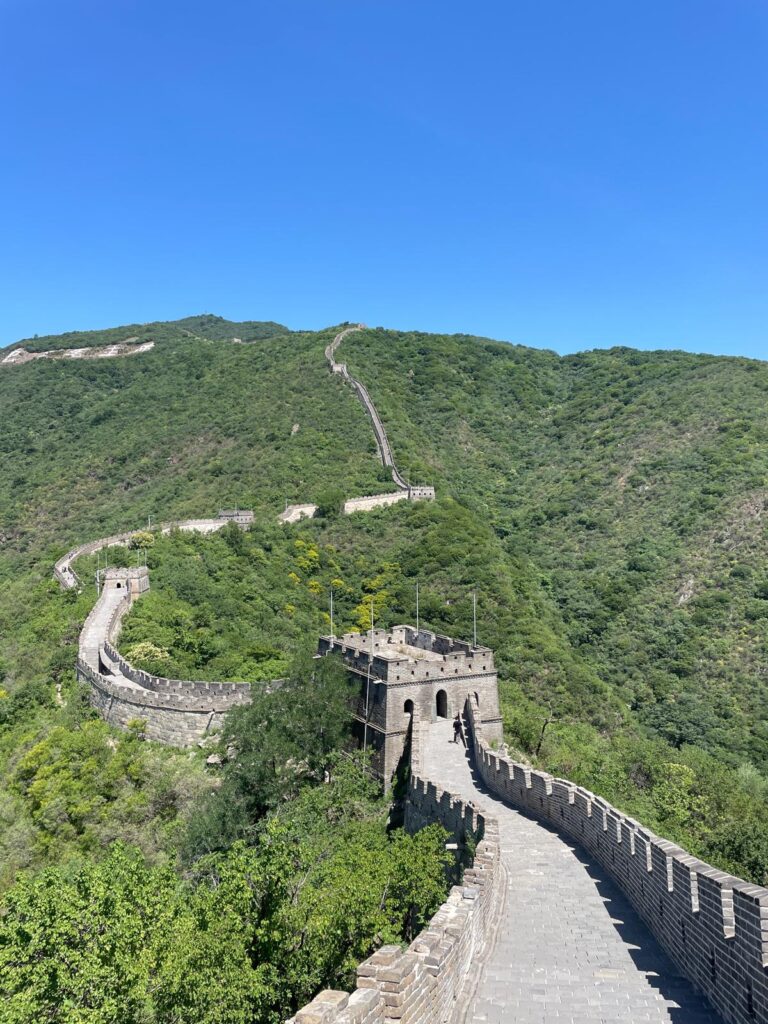
China is such a big country that it almost feels like a continent. There’s a huge difference in prices depending on which part of China you visit. Beijing is a little on the pricy side, more rural areas can be super cheap as long as accommodation is available.
Accommodation – £15 (US$20) Per Day
There was a rule that many hotels in China could not accept foreigners. That is no longer the case, however many places won’t let foreigners in regardless either because they don’t have access to the right systems to process them, or because old habits die hard and they just don’t want to deal with the extra hassle…
This does skew prices and makes it harder to find somewhere to stay. However you can pay an average of £15 (US$20) per night.
Food and Drink – £8 (US$10) Per Day
It’s pretty easy to find street food and cheap restaurants in China. You’ve got to be a fan of Chinese food however as foreign cuisine costs more.
You can eat for £8 (US$10) per day here. Even less in some areas.
Transport – £10 (US$13) Per Day
Getting around China can be a pain due to the vast distances. It will cost around £30 (US$39) to travel between some of the major destinations, and that’s using the cheap buses rather than the high-speed trains.
Inner-city transport is much cheaper. Metro systems cost next-to-nothing here.
On average China costs around £10 (US$13) a day to get around.
Activities – £5 (US$7) Per Day
Most historic sites are around the £10 (US$13) mark or less. This includes the Forbidden City which to be honest, I didn’t enjoy as it was far too crowded.
You’ll pay a little more for some activities. As always, it depends on what you want to do.
But as a budget traveller you can get away with £5 (US$7) per day here.
Mongolia – £24 (US$31) Per Day
If it wasn’t for Genghis Khan and the impact of the Mongolian Empire, few would know about this country sandwiched between Russia and China.
It’s super remote, not well connected with Europe or the US, and is the world’s most sparsely-populated country with 3.5 million people living across 1.5 million square kilometres.
Fortunately for you, it’s a very cheap country.
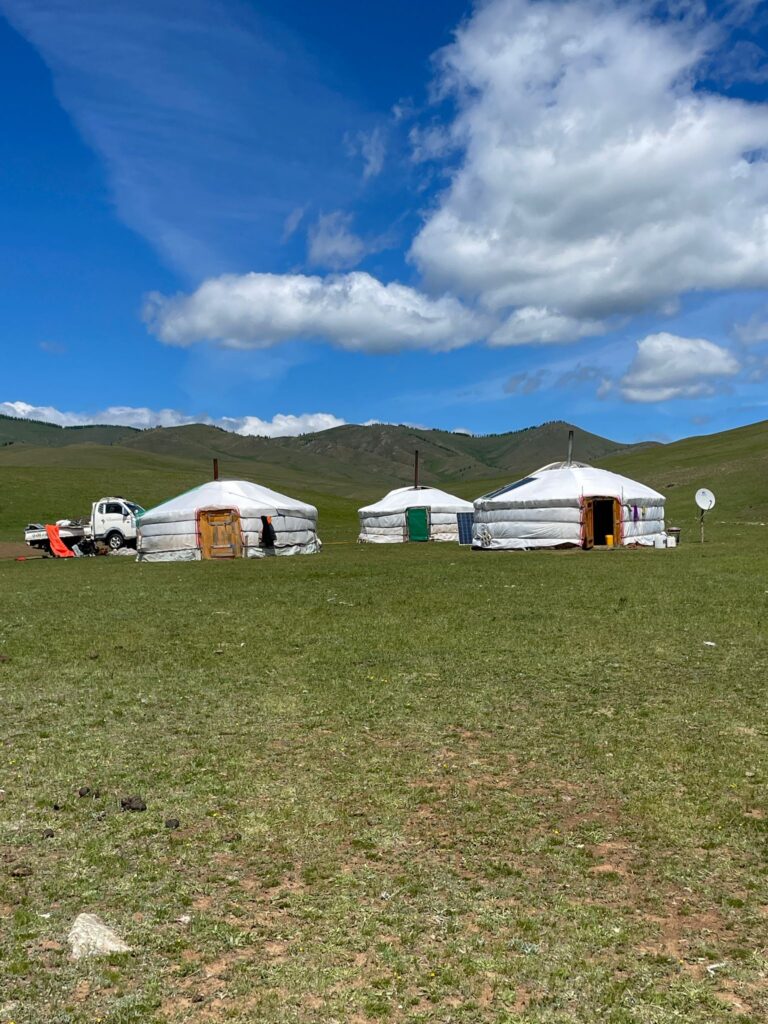
It’s also one of my favourites in the world due to the cool nomadic lifestyle which I got to experience first-hand.
Accommodation – £5 (US$7) Per Day
Really cheap. You can find a dorm bed from £6 (US$8) in Ulaanbaatar. Head to the more rural areas and you can stay in a ger for even less, a really awesome travel experience!
I’d only recommend doing this in the summer months though. In the winter Mongolia gets so cold that Antarctica seems like the Sahara in comparison (slight exaggeration, but only slight).
You can find places to stay for £5 (US$7) here.
Food and Drink – £8 (US$10) Per Day
Mongolian food is pretty affordable. They generally eat basic meals with mutton a staple of the local diet. It is generally served alongside dairy products and/or rice.
Mongolians are very rural people. Much of their food is produced from the livestock of nomadic families. Even vegetables are pretty uncommon in a land with harsh winters.
You can spend £8 (US$10) a day to fuel yourself with food in Mongolia.
Transport – £4 (US$5) Per Day
Pretty cheap really. Inner-city buses cost around £1 (US$1.30) per journey, or less.
A taxi ride with UBCab, the Mongolian taxi app that only works in the capital, doesn’t let you select a destination (you must tell the driver manually), and it doesn’t tell you the cost until you arrive will be around £5 (US$7) for a one-way journey.
Longer distance buses will cost upwards of £10 (US$13).
An expected daily average travel cost in Mongolia would loosely be around the £4 (US$5) mark.
Activities – £7 (US$9) Per Day
Cheap activities include horse riding, visiting Terelj National Park and entry to Gandantegchinlen Monastary which is one of Ulaanbaatar’s top activities. These all cost £10 (US$13) or less.
What will really dent your budget here is multi-day excursions across the likes of the Gobi Desert, Lake Khovsgol and Kharkhorin.
These will cost at least three figures and sometimes four.
Since this is a budget travel guide, we’ll have to forget about those for a moment and focus on the smaller things. These will cost around £7 (US$9) as a daily rough guide. You can still have fun on a low budget and stay overnight in a ger as I did.
Myanmar – £24 (US$32.30) Per Day
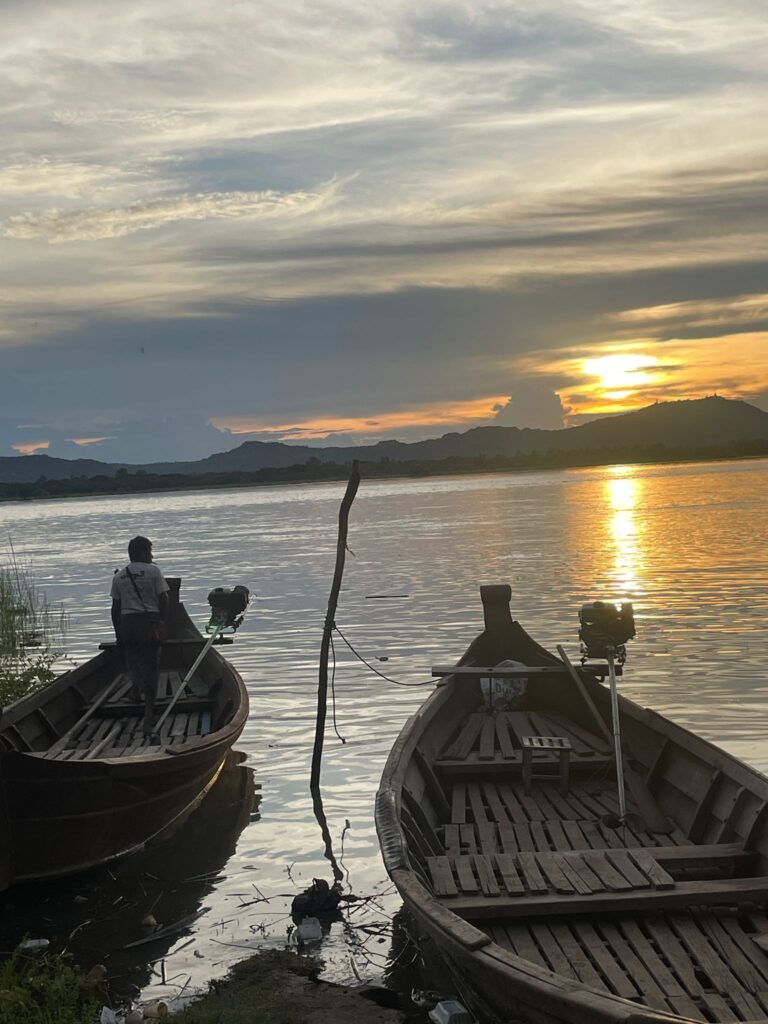
Myanmar is amazing, it’s one of the best countries in the world, and best of all, almost no one goes there.
Okay, technically it’s a warzone, but not all of the country is impacted. The “tourist kite” of Yangon, Bagan, Mandalay and Inle Lake is super safe.
With a black market economy, Myanmar is even cheaper than it was with its normal exchange rates, and they were pretty affordable in the first place. I know at least one black market exchange spot in Yangon you can check out.
Accommodation – £15 (US$20) Per Day
There aren’t many options these days. Years of war and military dictatorship crushed Myanmar’s tourism. A 2025 earthquake hit it even harder and now very few people visit.
As a result, options are limited, and this means you’ll have to spend more than you’d expect given the costs of everything else here.
A place to stay will cost around £15 (US$20) on average. You will find places for half that price, but you will also have to spend a little more in some places.
Food and Drink – £5 (US$7) Per Day
One of the cheapest countries in the world to eat in, even before the black market rates came into play.
I was eating for £5 (US$7) a day here without really aiming to save as much money as possible.
Transport – £3 (US$4) Per Day
It’s so cheap to get around here. Avoid internal flights (they’re expensive), and focus on the buses.
They cost £10 (US$13) and cover the long distances between tourist destinations, such as Yangon to Bagan.
Roads aren’t great here and you can expect a handful of military checkpoints, but if you have your passport you’ll be fine.
Average daily travel costs are around the £3 (US$4) mark.
Activities – £1 (US$1.30) Per Day
Next to nothing. I spent £12 (US$15) in 11 days in Myanmar. This covered entry to the amazing Shwedagon Pagoda in Yangon, going to watch a football game in Yangon, renting a motorbike for the day in Bagan, and having a couple of rooftop beers on my final night in the country.
The only expensive activity here is to take a hot air balloon ride at sunrise over the awesome Bagan plains to see the temples from above. Serious bucket list stuff, but it generally costs over US$200.
For a budget traveller, you’ll have to skip the balloons and your activities will cost around £1 (US$1.30) a day.
Thailand – £23 (US$31) Per Day
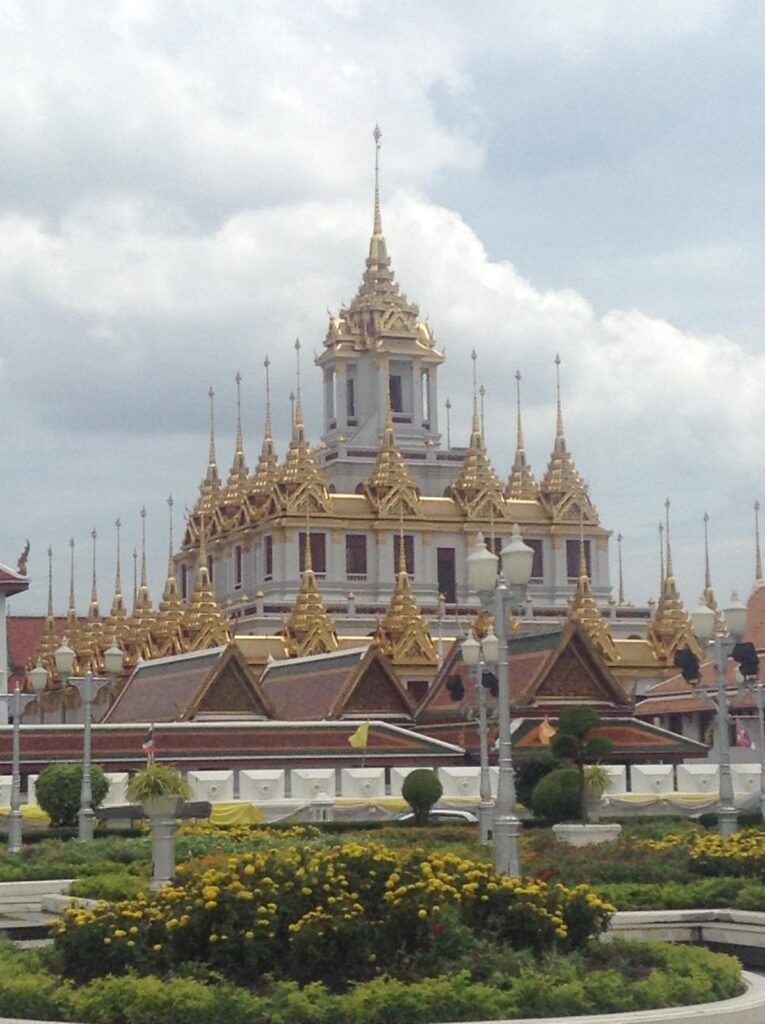
One of the slightly more expensive countries in SE Asia, but still easily cheap enough to justify a place on this list. Thailand is a backpacker’s dream with a well-trodden tourist trail.
People love Thailand for its cheap prices, authentic Thai food, stunning Buddhist architecture and amazing nature. Let’s look at average costs here.
Accommodation – £5 (US$7) Per Day
As Thailand is such a popular country, there are many places to stay here. High competition means low prices. Therefore it costs just £5 (US$7) on average for an okayish place to stay.
Food and Drink – £10 (US$13) Per Day
It costs around £3 (US$4) for a simple Thai meal. In Bangkok you can expect to pay slightly more.
Allow for £10 (US$13) per day as your food budget.
Transport – £3 (US$4) Per Day
Local transport is around the £2 (US$3) mark, and long-distance buses and trains are only around £5-10 (US$7-13).
For an approximate figure, allow for £3 (US$4) per day here.
Activities – £5 (US$7) Per Day
Temples, massages and entry to parks cost under £10 (US$13).
A guided tour through the jungles will cost a lot more. Although to be honest I regret not splashing out a little in Thailand, as we spent way too much time partying down Bangkok’s Khao San Road (back in the early backpacking days), and not enough doing the awesome things you can only do in Thailand.
But you will end up spending around £5 (US$7) a day on activities if you budget hard enough. Although it is possible to go even cheaper.
Cambodia – £16 (US$21) Per Day
Thailand’s neighbour Cambodia is another awesome SE Asian country with budget-friendly everything and the world-famous temples of Angkor Wat.
Accommodation – £3 (US$4) Per Day
Mega cheap. We’re talking literally £3 (US$4) a day here. That includes popular locations such as Siem Reap and capital Phnom Penh.
Food and Drink – £3 (US$4) Per Day
Once again, ridiculously affordable. You can spend £3 (US$4) a day here and get by fairly comfortably.
Don’t fall for the tourist trap street food where they sell scorpions and tarantulas for £5 (US$7) or more.
Transport – £4 (US$5) Per Day
Getting between the major tourist spots (Phnom Penh, Siem Reap, Sihanoukville) will cost around £10 (US$13) per journey on average. To get from Phnom Penh to Siem Reap is even cheaper.
Transport within cities is really cheap, although be wary of tuk tuk drivers trying to rip you off.
You’ll pay around £4 (US$5) per day on transport during your time here.
Activities – £6 (US$8) Per Day
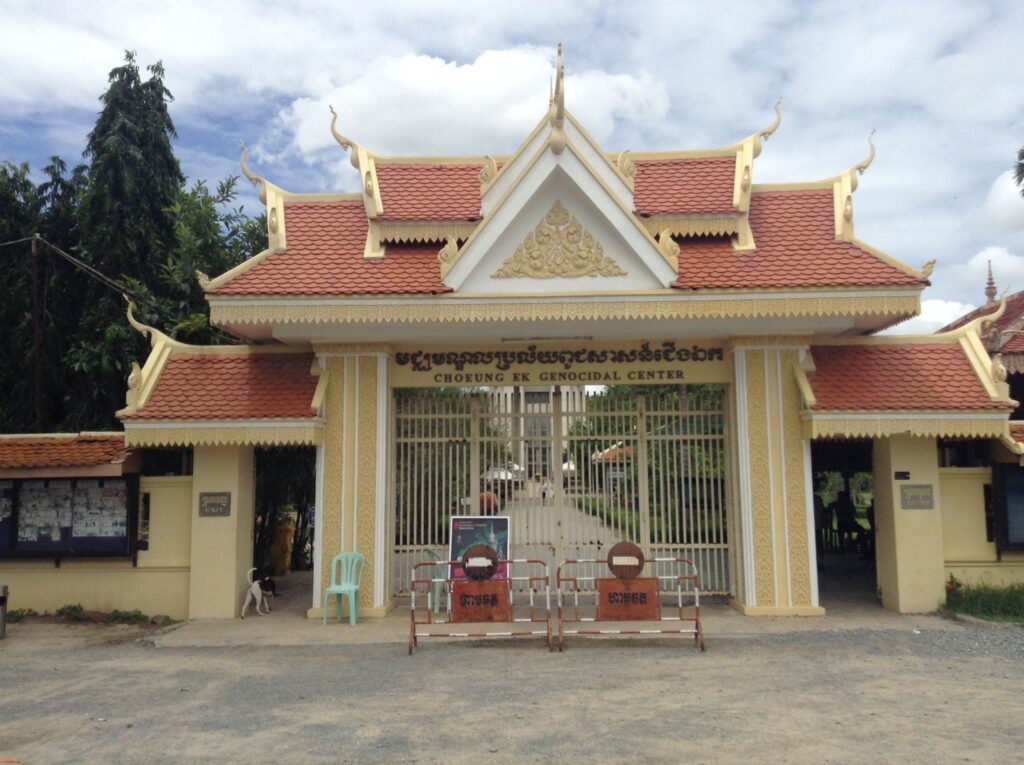
The main activities in Cambodia are to visit the Tuol Sleng Genocide Museum in Phnom Penh, the nearby killing fields, and Ankor Wat’s famous temples.
Tuol Sleng costs £8 (US$10) including an audio guide. It’s half that without the audio guide, but I absolutely recommend the audio so you can really understand everything properly. It’s an excellent tool to ensure you understand exactly what happened.
Entering the nearby killing fields costs £5 (US$7) with the audio included.
Ankor Wat is a little pricy at £29 (US$37) for a 1-day pass.
An average Cambodia trip will set you back around £6 (US$8) per day.
Vietnam – £10 (US$14) Per Day
Vietnam is another popular spot on the Southeast Asia backpacking circuit. It’s incredibly cheap, safe, has loads of awesome places to see. It’s also located in an incredible little cluster of fun spots alongside Cambodia, Laos and Thailand.
Accommodation – £2 (US$3) Per Day
You can genuinely find accommodation for £2 (US$3) a night here. That’s true pretty much anywhere across the country.
And it’s not terrible accommodation either. Sure, it’s not the Hilton, but there are still pretty reasonable places for these prices.
Food and Drink – £3 (US$4) Per Day
Like its neighbours, Vietnam has very cheap local restaurants and street food options. If you want a bowl of pho or a banh mi sandwich, you’re looking at £1 (US$1.30) per meal. And to be honest, I’ve rounded all prices here to the nearest pound, and it’s actually less than that.
A food budget of £3 (US$4) is not unreasonable here.
Transport – £2 (US$3) Per Day
A lengthy trip will cost around £10 (US$13). To get between the two big cities (Hanoi and Ho Chi Minh City) it will set you back just over double that, although it takes 35 hours. I guess that’s accommodation covered too.
You’re looking at pennies rather than pounds to get around within the cities.
A daily average transport spend would be around £2 (US$3) in Vietnam.
Activities – £3 (US$4) Per Day
Entry to temples is cheap, something like a Ha Long Bay boat tour is a lot more expensive: around the £40 (US$52) mark.
The good news is that most activities in Vietnam cost very little. It’s possible to spend just £3 (US$4) a day here on things to do.
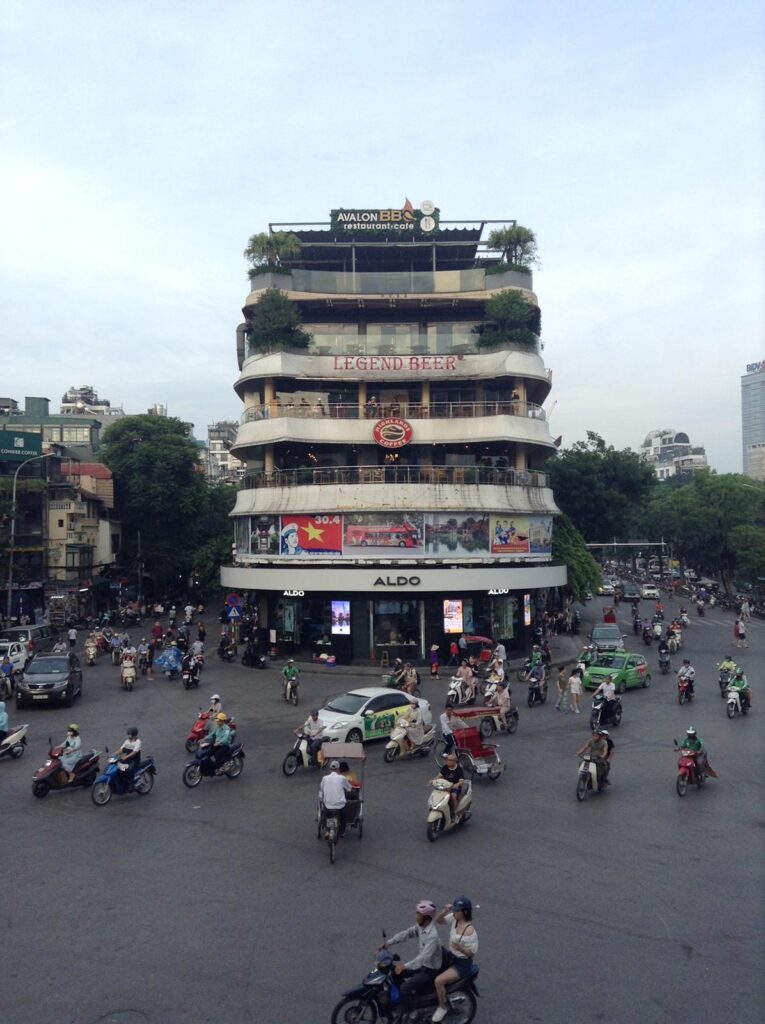
Malaysia – £28 (US$37) Per Day
There’s a pattern here. Southeast Asia is cheap, safe and fun with a couple of exceptions (Singapore is very safe and enjoyable, but definitely not cheap).
Malaysia is no different. I call it “luxury on a budget”. Kuala Lumpur has the feel of a much cheaper Singapore. Whilst Borneo is a nature paradise.
Accommodation – £7 (US$9) Per Day
You can get a half-decent bed for £7 (US$9) a night here. As with many other countries, that’s an average meaning some beds are cheaper due to location and/or poor quality, but you’ll often end up paying more.
Food and Drink – £9 (US$12) Per Day
Street food culture is massive in Malaysia. We really enjoyed the Jalan Alor night market which had all sorts of Malaysian foods including the notoriously smelly fruit durian.
Satay sticks are also really popular, as are great fruit juices. But this isn’t the cheapest spot. You want to find lesser-known places throughout the country.
On average you will pay around £3 (US$4) per meal, or triple that in an average day.
Hawker centers are like food courts, but with street food rather than chain restaurants. They’re another option for cheap eats.
Transport – £7 (US$9) Per Day
Getting around mainland Malaysia isn’t too expensive, but flying to Borneo will bump costs up for sure.
A long distance bus averages out at £10 (US$13) per journey. Flying to Borneo costs £50 (US$65) for a return journey.
A one-way ticket from Kuala Lumpur’s airport to the city centre is about £10 (US$13). Annoyingly, it’s a pretty long way between the two.
Daily average costs here will level out at around £7 (US$9).
Activities – £5 (US$7) Per Day
You’ll want to do a fair few nature experiences here. As an average, it’s around £10 (US$13) per activity, with a trip to Bako National Park costing £12 (US$15) for a day trip.
The famous Batu Caves in Kuala Lumpur are free to enter.
To be honest, nature is the main attraction here. Expect to pay £5 (US$7) per day for activities.
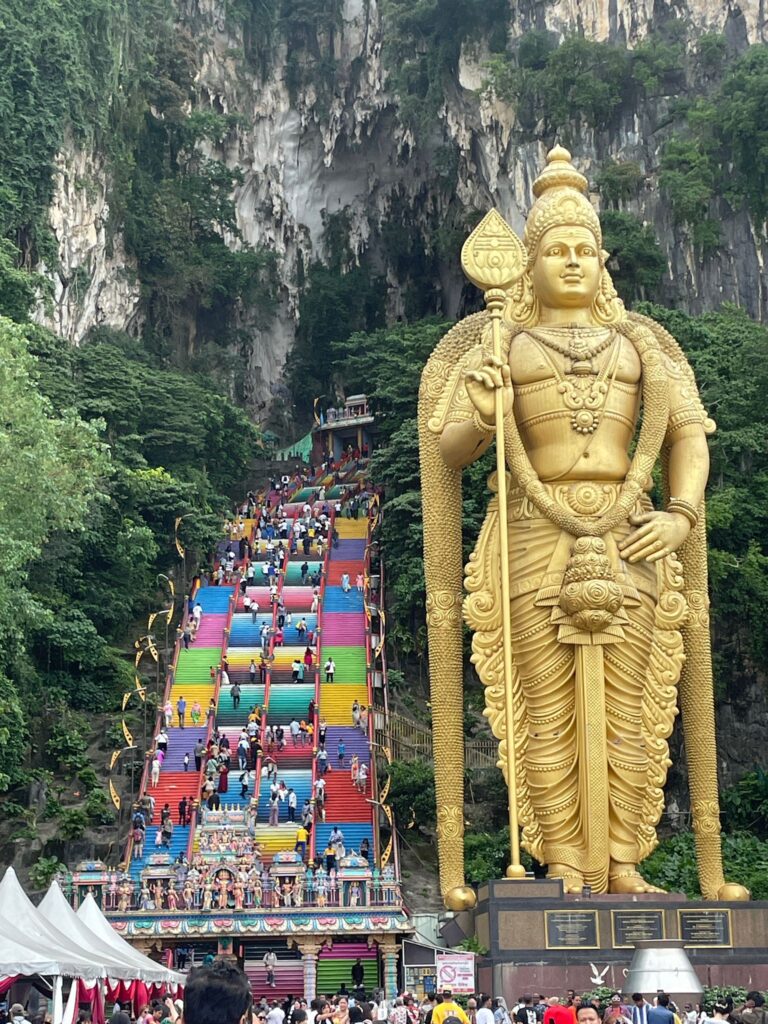
Indonesia – £26 (US$34) Per Day
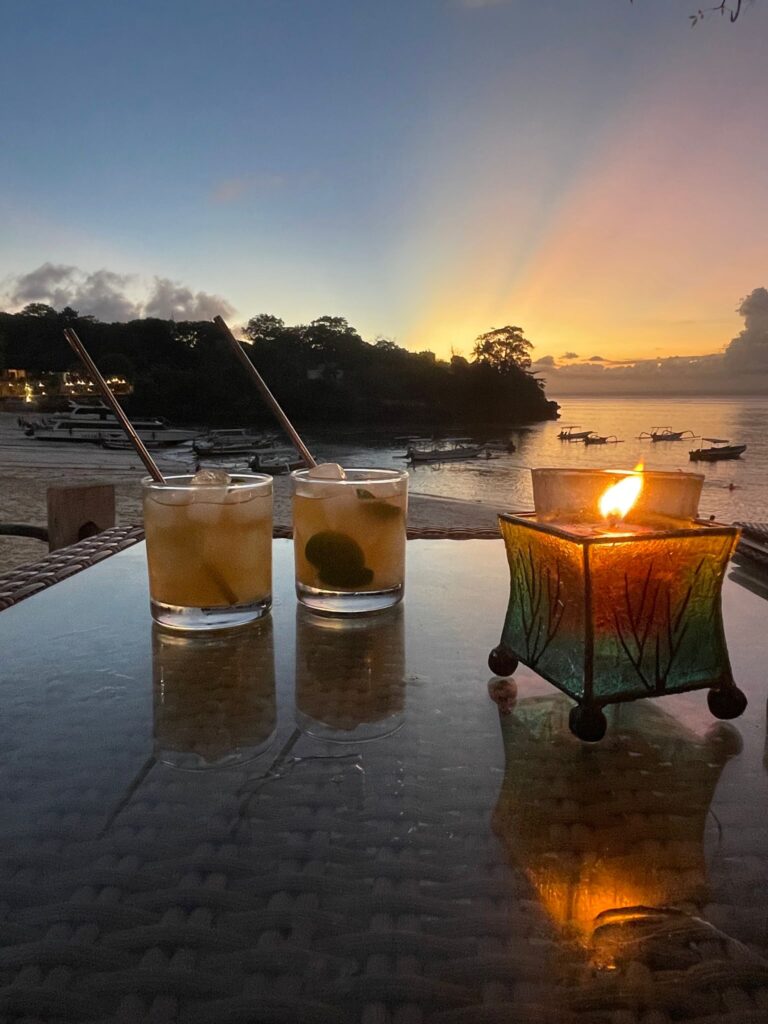
Another amazing and ultra cheap country. Whilst Indonesia has a lot going for it, many backpackers will stick to Bali. And to be honest I don’t blame them. There’s loads of cool stuff going on there.
Accommodation – £10 (US$13) Per Day
Bali is cheap, but because it’s so popular, accommodation costs more than it once did. The rest of Indonesia can bring your average down, but I’d save £10 (US$13) a night for somewhere to stay.
Food and Drink – £6 (US$8) Per Day
For £2 (US$3) you can easily find street food and local favourites including nasi goreng, a dish with rice, meat, vegetables and a fried egg.
Indonesia continues the SE Asia trend of mega cheap street food.
Triple the cost of a meal to get your daily average of £6 (US$8) a day.
Transport – £3 (US$4) Per Day
You can use the local rideshare apps Grab and Gojek for £1 (US$1.30) per journey. Locals can become hostile though as traditional taxi drivers do not like rideshare app drivers, so get in the vehicle swiftly and you should be fine.
Long distance buses are just £5 (US$7) on average. Whilst boat costs are more unpredictable and make Indonesian transport hard to put an average price on.
But £3 (US$4) isn’t an unreasonable daily average estimation.
Activities – £7 (US$9) Per Day
Volcano hikes and snorkelling tours can push your costs up to £25 (US$33) or more per activity.
Temple visits and rice terrace exploration costs a lot less.
On average, you may splash out around £7 (US$9) a day in Indonesia, but you can go cheaper if you stick to temples, rice terraces and beaches.
Philippines – £24 (US$32) Per Day
The Philippines are yet another major tourist stop in SE Asia. Must admit, we didn’t love them. Especially after a boat tour that went disastrously wrong.
They’re a little tricky to get around since they’re made up of numerous islands. You’ll need to rely a lot on boats and planes here.
Accommodation – £6 (US$8) Per Day
We averaged £6 (US$8) a day here having visited Cebu, Bohol, Puerto Princesa, El Nido and Manila. Another very easy country to find cheap accommodation in.
Food and Drink – £5 (US$7) Per Day
Once again, street food is king. Whilst not particularly nutritious, you should check out the interesting dessert halo halo, which consists of all sorts of ingredients that westerners have never heard of. It also happens to be particularly Instagram-friendly due to its colourful appearance.
On the savoury front, Filipinos love satay sticks, lechon (pork) and other cheap meaty foods.
Your daily food bill will come to around £5 (US$7) or less.
Transport – £5 (US$7) Per Day
Inner-city transport costs almost nothing. Longer distance buses are around £10 (US$13), boat rides are nearer £20 (US$26) and flights are often over £50 (US$65).
Try and avoid flights if possible and keep your average down to around £5 (US$7).
Activities – £8 (US$10) Per Day
Island hopping boat tours, diving, snorkelling etc. all averages out at around £20 (US$26) per activity.
Cultural activities such as museums cost a fraction of this.
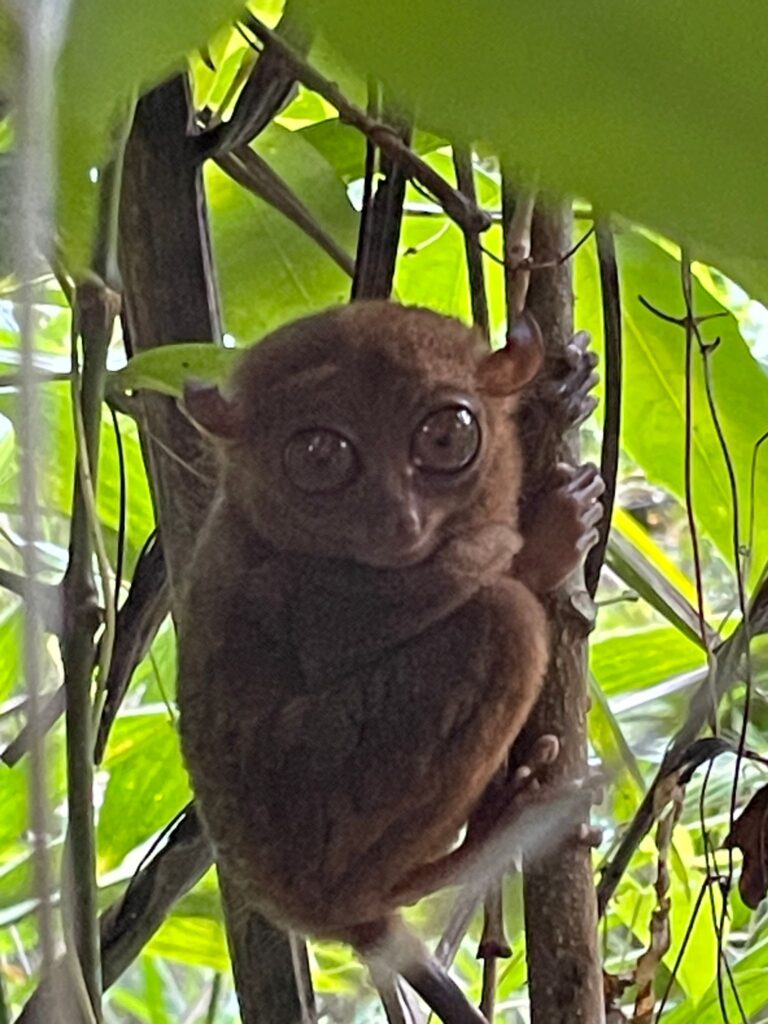
I recommend the tarsier sanctuary on Bohol which is less than £1 (US$1.30). Double that up with taking a bus to see the nearby Chocolate Hills.
On average you’ll probably be fairly active here, and a budget of £8 (US$10) is fair for fun things to do.
More Travel Tips
- How To Overcome Travel Burnout During Longer Trips
- Airalo Review: Why This ESIM Has Become A Travel Essential
- The 31 Cheapest Places To Travel To In The World
- Solo Travel Safety: Top 30 Tips For Travelling Alone
- My Worst Travel Experiences: Horror Stories From Many Countries
- How To Overcome Language Barriers With Google Translate
